This is edition 2026/049 of the Ten@10 newsletter.
Hi all,
This is the Ten@10, where I collate and summarise ten news items you generally won't see in the mainstream media.
Enjoy!
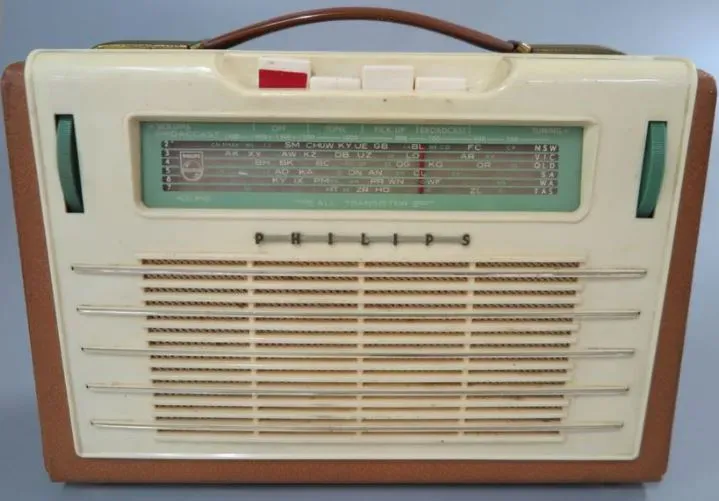
1. The Strange (And Sad) Demise of Radio New Zealand.
Chris Trotter
- 📻 A nostalgic reflection on a Philips portable radio highlights how New Zealand’s public broadcaster once provided comfort, companionship, music, and trustworthy news, even in isolation.
- 📚 The author compares radio to books, noting radio’s unique ability to deliver music and real-time news, making it an indispensable companion.
- 🏛️ Radio New Zealand (RNZ) is portrayed as historically reliable, authoritative, and central to national life—trusted to deliver the closest approximation of truth.
- 📉 The author argues RNZ has declined significantly in quality, now only marginally better than other broadcasters, with its distinctiveness eroding.
- ⚠️ RNZ’s leadership is accused of deliberately reshaping the network, abandoning traditions, sidelining experienced voices, and homogenising content.
- 👥 Management justifies changes by pointing to an ageing audience and the need to attract younger generations, though the author disputes their approach.
- 🛣️ A key tension is identified: whether RNZ should follow younger audiences’ tastes or lead them toward more enriching, original content.
- 🎶 The attempted overhaul of RNZ Concert into a youth-focused station is cited as evidence of a shift toward “dumbing down” content.
- 🧠 The decline is attributed to Generation X leaders shaped by Rogernomics, who allegedly distrust public institutions and devalue public broadcasting traditions.
- 🎙️ Earlier broadcasters like Joe Coté and Geoff Robinson are praised for setting high journalistic standards that current hosts struggle to meet.
- 🧭 RNZ is criticised for abandoning a balanced “middle way”, instead promoting a narrow ideological perspective influenced by identity politics.
- 🚫 Alternative viewpoints, especially those critical of prevailing orthodoxies, are said to be filtered out or “de-platformed.”
- 🗣️ Programmes like Jessie Mulligan’s show and The Panel (now hosted by Wallace Chapman) are criticised for being overly ideological and lacking robust debate.
- 🔥 Once known for lively discussion, RNZ programming is now described as inoffensive, politically correct, and intellectually dull.
- 🤝 The broadcaster is accused of failing to engage meaningfully with diverse generational and working-class perspectives in New Zealand society.
- 🏠 The author calls for RNZ to reflect a truly pluralistic society, embracing multiple viewpoints and cultural narratives.
- ⚡ A warning is issued: if RNZ continues down its current path, it risks becoming isolated and vulnerable, losing public support when it most needs defending.
- ❤️ Ultimately, the piece argues that public broadcasting must remain a trusted “friend and comforter” to retain the loyalty and protection of its audience.