
This is edition 2026/052 of the Ten@10 newsletter.
Hi all,
This is the Ten@10, where I collate and summarise ten news items you generally won't see in the mainstream media.
Enjoy!
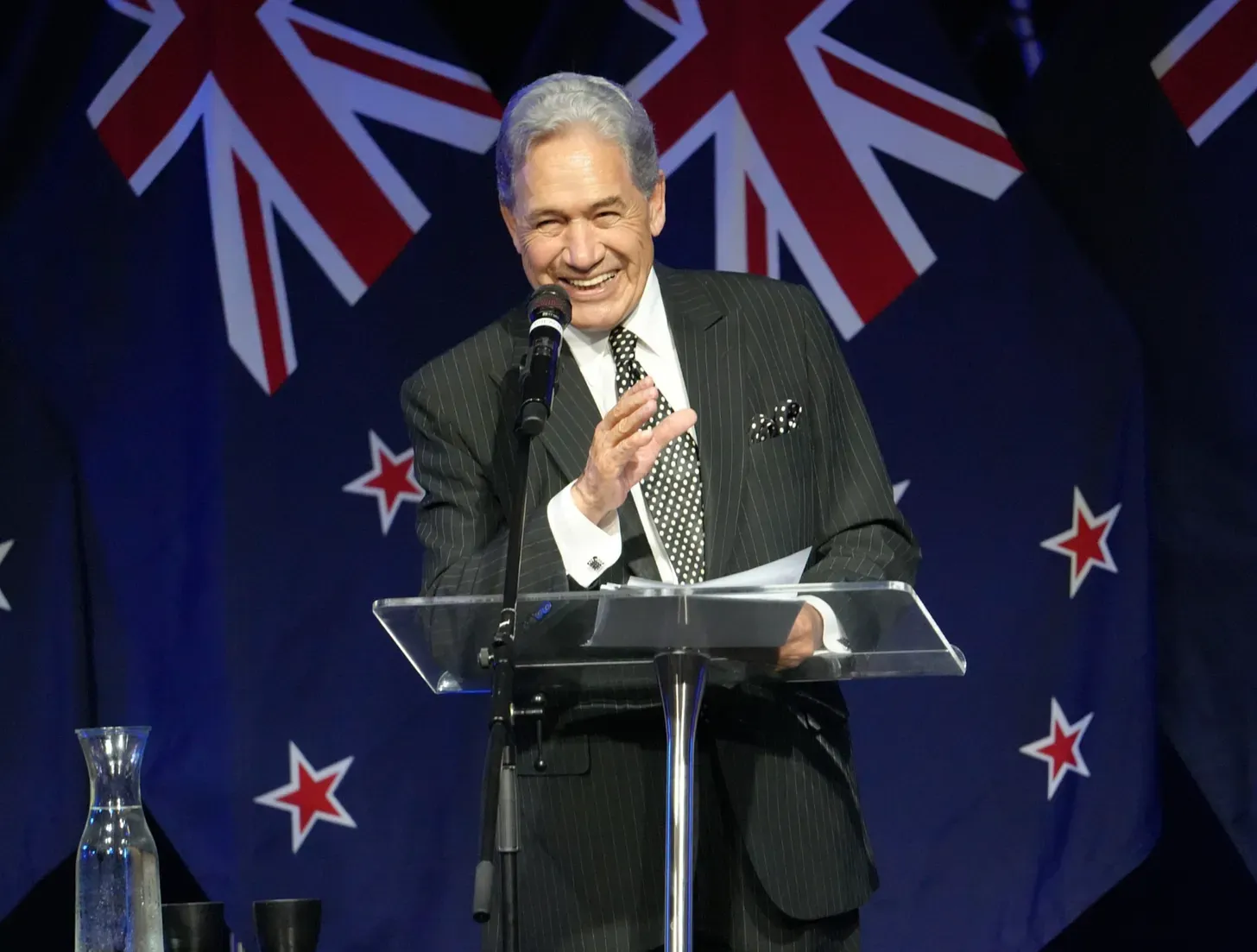
1. Peters plays the power card
Bryce Edwards
- ⚡ Winston Peters signalled NZ First will fight the 2026 election on power prices and cost of living, not culture wars or Covid grievances
- 🏭 NZ First’s key policy is to break up electricity gentailers, separating generation and retail to stop companies controlling both supply and pricing
- 💸 The move taps into public anger over high power bills, rising prices, and huge energy company profits, while households face increasing financial strain
- 🔥 The Government’s LNG terminal plan—backed by a consumer-funded levy—has created political vulnerability, with critics like Christopher Luxon accused of effectively introducing a “tax” on households
- 📊 Energy companies have paid billions more in dividends than invested in infrastructure, reinforcing claims the system is broken and exploitative
- 📉 NZ First is positioning itself as the only party offering structural reform, while National defends the system and Labour lacks a clear alternative
- 📞 Peters compares the proposal to the Telecom breakup into Chorus and Spark, arguing structural separation can work despite critics calling it populist
- 🧾 Policy details remain vague, with few specifics on implementation, costs, or mechanisms like fixed pricing and solar buyback schemes
- 🏛️ Peters is rebranding NZ First as explicitly “socially conservative”, marking a shift toward a clearer ideological identity
- 🎯 He is targeting disaffected Labour voters, especially older, traditional, working-class supporters feel abandoned
- ⚔️ Culture war rhetoric (attacks on Greens and Te Pāti Māori) is still present but secondary to economic messaging
- 📈 NZ First voters are among the most financially pressured and pessimistic, making cost-of-living policies politically potent
- 🧠 Peters continues to position himself as an outsider while in government, criticising coalition partners and claiming foresight
- 👥 Recruitment of Alfred Ngaro adds experience and may help NZ First appeal to Christian and Pasifika voters
- 📊 NZ First polling is rising (around 10–12%), unusual for a governing party, suggesting growing electoral strength
- 🌍 The party’s rise mirrors global populist-nationalist trends, driven by economic frustration and distrust of elites
- ❗ Key gaps include limited focus on immigration, lack of detailed policy, and ongoing dependence on Peters as leader
- 🧩 Overall, the speech was a strategic consolidation, with energy policy as the centrepiece and a strong populist framing for 2026
- 🤔 While politically effective, scepticism remains over whether NZ First would actually deliver reforms, given its track record in government