This is edition 2026/063 of the Ten@10 newsletter.
Hi all,
This is the Ten@10, where I collate and summarise ten news items you generally won't see in the mainstream media.
Enjoy!
1. When Police go into business with Netflix
Bryce Edwards
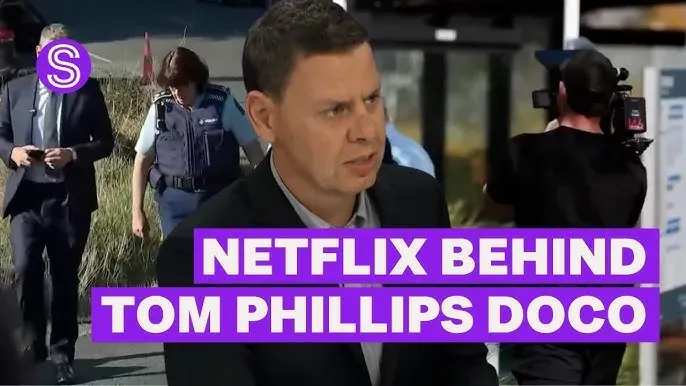
- 🎬 A controversy has erupted over Netflix partnering with New Zealand Police to produce a documentary on the Tom Phillips case while the investigation was still ongoing, raising ethical concerns.
- 🕵️ Investigative reporting by Paddy Gower and Sam Sherwood exposed previously withheld emails and forced admissions from the Police Commissioner.
- 📅 A troubling timeline shows Police Commissioner Richard Chambers","New Zealand Police Commissioner engaged with the documentary producer even before officially starting his role, contradicting earlier public statements.
- 🤝 The documentary’s producer Karen Rutherford had direct access to Chambers and connections to Police Minister Mark Mitchell, highlighting privileged access unavailable to ordinary media.
- 🎥 Dame Julie Christie and her company NHNZ were deeply embedded with police operations, receiving exclusive access while other journalists were kept at a distance.
- 📰 Concerns emerged among journalists that police may have favored filmmakers to better control the narrative, prioritizing a commercial product over public-interest reporting.
- 🔄 A “revolving door” between media and police communications staff blurred independence, notably involving Claire Trevett transitioning from political editor to police communications.
- 💬 Internal communications revealed unusually close and informal relationships between police staff and filmmakers, suggesting partiality rather than neutrality.
- ⚠️ A senior police official advised the producer to avoid written communication due to Official Information Act discoverability, raising serious transparency concerns.
- 📄 The handling of Official Information Act (OIA) requests was inconsistent and misleading, with key details—like Netflix’s involvement—initially withheld or misrepresented.
- 🔍 A pattern emerged where damaging information was only released after sustained journalistic pressure, undermining trust in police transparency and accountability.
- 🚨 Overall, the situation raises broader concerns about police neutrality, media access fairness, and the ethics of turning active investigations into commercial entertainment.