
This is edition 2026/119 of the Ten@10 newsletter.
Hi all,
This is the Ten@10, where I collate and summarise ten news items you generally won't see in the mainstream media.
Enjoy!
1. Opportunity Is No Longer a Wasted Vote
Bryce Edwards — The Democracy Project
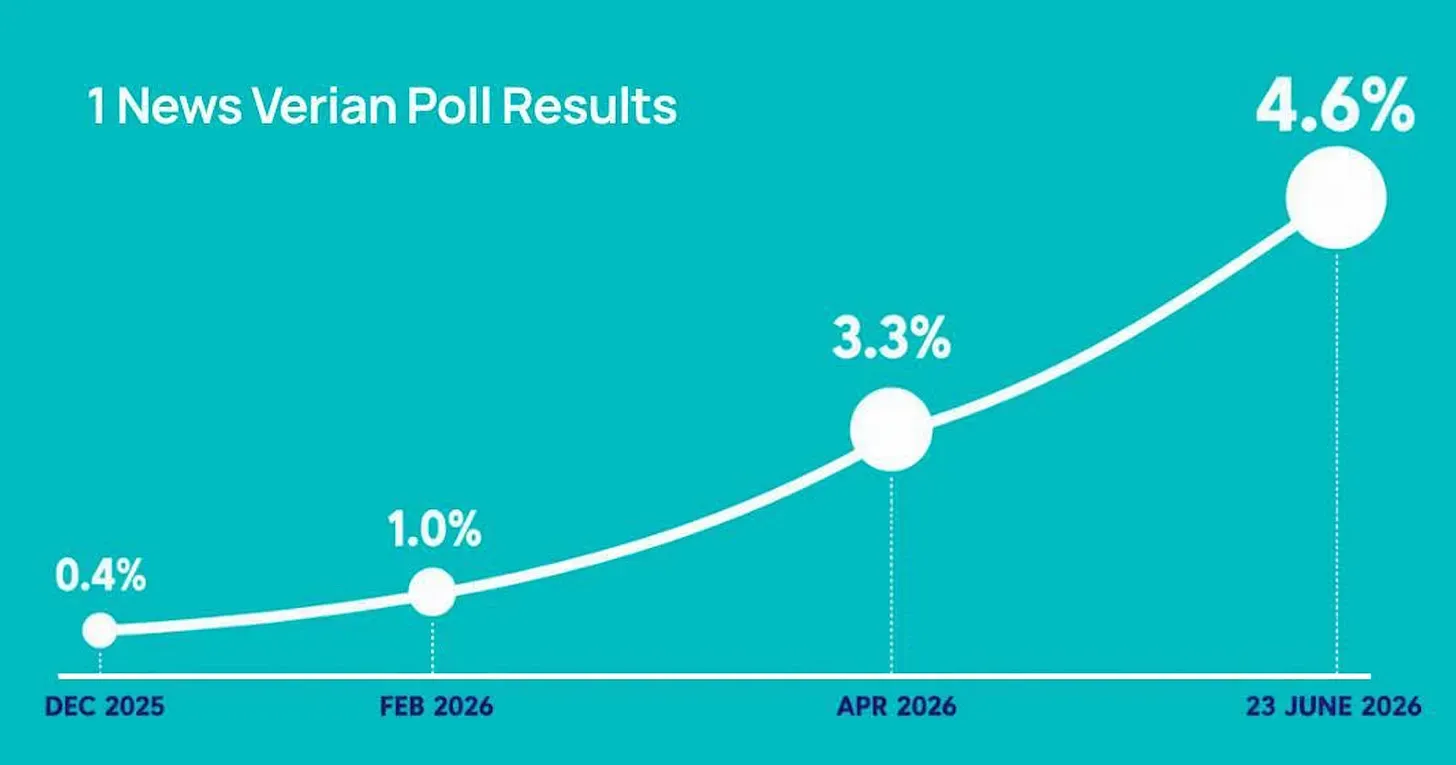
- 📊 TOP has broken out of its usual 1–2% polling range: 1News–Verian 4.6% (just below the threshold) and Roy Morgan 6.5% (worth roughly 8 MPs).
- 🧠 Edwards says the real barrier TOP has crossed is psychological — once voters believe a small party can enter Parliament, the “wasted vote” trap weakens.
- 🏠 The party’s realistic path remains the party vote; electorate attempts by Gareth Morgan, Geoff Simmons, and Raf Manji in Ilam all “fell well short.”
- 👩💼 New leader Qiulae Wong is contesting Mt Albert, which is “more interesting than previous efforts” but still not the main route.
- ⚖️ Constitutional-law academic Andrew Geddis: once a party polls near 5%, voters “will have permission to consider them seriously” and the vote no longer feels “thrown into the sea.”
- 😩 Edwards argues TOP is rising not because voters love land-value taxation or citizens’ assemblies, but because established parties look exhausted and minor parties look compromised.
- 📉 National is leaking support to Winston Peters, Labour is avoiding specifics, the Greens look self-indulgent, ACT has lost insurgent energy, Te Pāti Māori is engulfed in internal conflict, and NZ First is busy with “leverage, grievance and theatre.”
- 🏠 Public grievances fuelling the mood include housing, infrastructure, power prices, water, supermarket prices, banking profits, climate adaptation, and public services.
- 📰 Edwards defends media coverage of a party polling 4.6–6.5%, while acknowledging Chris Lynch and Ani O’Brien’s critique that the attention is “something unhealthy.”
- 🎯 Takeaway: TOP’s surge is less a policy revolution than a protest vote against a broken political market — and it could alter post-election coalition arithmetic.
2. Politicising a Tragedy: PSA Takes the Gloves Off
Ani O’Brien — Thought Crimes
- 💀 A patient died in the toilets of Waikato Hospital’s ED waiting room; Health Minister Simeon Brown announced a rapid clinical review and a serious adverse event review.
- 📢 The PSA press release opened reasonably — “No-one should be waiting nine hours or even longer at any Emergency Department” — but quickly became political.
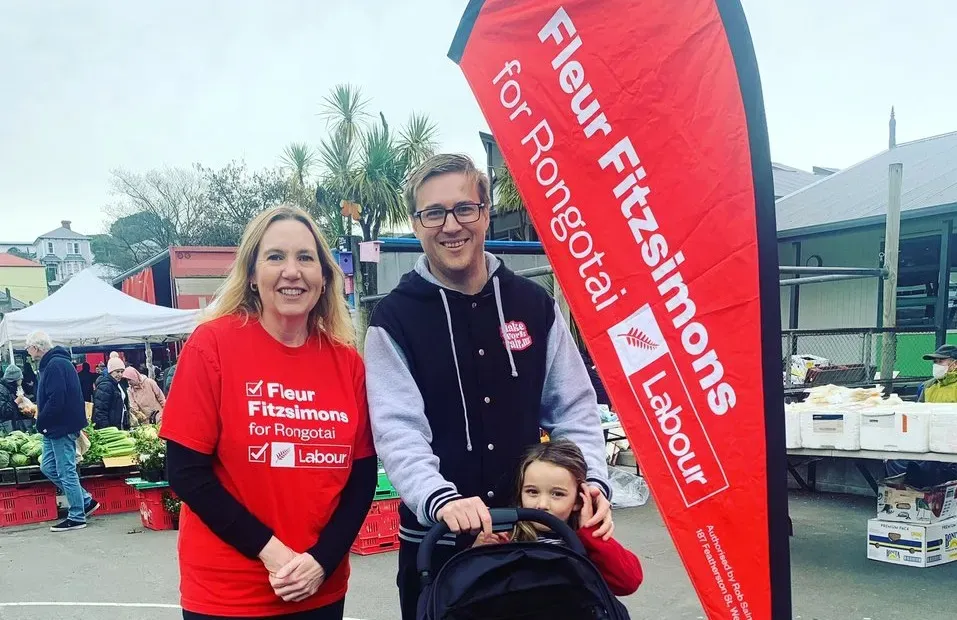
- 🗳️ PSA National Secretary Fleur Fitzsimmons explicitly urged voters to “vote to change the Government for one that properly funds health.”
- 💰 Fitzsimmons blamed the Coalition for choosing “tax breaks to landlords and big tobacco rather than properly fund the health services New Zealanders need.”
- 📊 O’Brien fact-checks: the six-hour ED target is 95%; under Labour by 2022–23 performance fell to 70–72%, meaning the share waiting longer than six hours roughly tripled.
- 📈 Under the current Coalition, six-hour performance has risen to ~74% — still below target, but better than when Labour left office.
- 💵 Total Crown health expenditure grew from $15.16 billion in FY2016 to $30.6 billion budgeted for 2026/27; the Coalition has increased health spending every year.
- 👩⚕️ Nursing numbers rose by more than 9,000 between March 2023 and March 2024; Health NZ nursing vacancies fell from 10.8% to 6.8%.
- ⚖️ O’Brien contrasts the PSA’s current outrage with its far more accommodating tone when Labour was in office and ED performance was worse.
- 🎯 Takeaway: the Waikato tragedy is being weaponised by a union whose own numbers show the Coalition has improved, not cut, ED performance.

3. Selling Food and Tyres on the News
Peter Allan Williams — Substack
- 📺 New Zealand television news gave uncritical, promotional coverage to the country’s new Michelin-starred restaurants, treating a government-funded industry awards night as major news.
- 💰 The government spent $6 million to bring Michelin to New Zealand — roughly 100× the cost of Shane Jones’ controversial Toronto trip.
- 🍽️ TVNZ’s 1 News and Seven Sharp ran live crosses on awards night, a follow-up story on Tala (first Samoan restaurant to win a star), and another live cross with the chef at Essence (the only two-star winner).
- 🛞 Williams reminds readers Michelin stars began in 1900 primarily to sell tyres, with restaurant stars added in 1926.
- 🏨 Louise Upston claims the stars will bring an extra 36,000 international visitors a year, but no published cost–benefit analysis has been shown.
- 🍷 Williams ate at Essence in Queenstown: two degustation menus and one bottle of wine produced a four-figure bill — “not a lot less than the median weekly wage.”
- 👨🍳 That night Essence had only two customers, supported by four kitchen staff, a maître’d, a sommelier, and a serving assistant.
- 📺 Williams also flags bizarre news judgement: 15 minutes on a Saturday-night 6pm bulletin devoted to the All Whites losing 5–1 to Belgium, while a test-cricket series win in England got only a brief item.
- 🗣️ Reader comments agree the coverage is promotional, with one calling it “only another $6 million wasted.”
- 🎯 Takeaway: free prime-time publicity for 15 taxpayer-subsidised expensive restaurants, with almost no scrutiny of value for money.
4. Public’s Repudiation of Woke Radicalism Drives Democrats’ Socialist Turn
Michael Shellenberger — Public
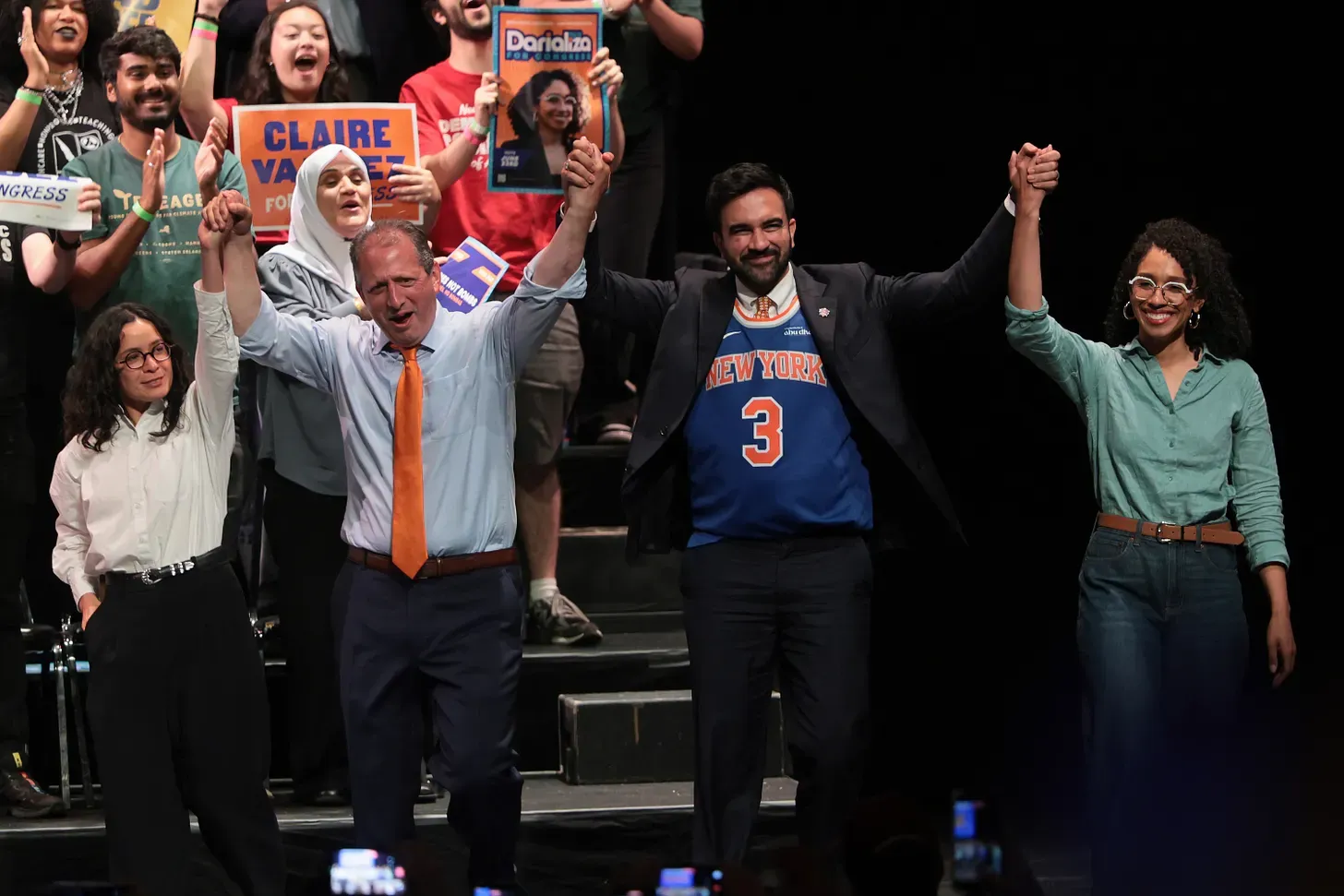
- 🇺🇸 Socialists who swept recent New York elections and are poised to run the UK campaign on moderate “affordability” issues — cheaper housing, food, transport, childcare, higher minimum wage, peace in Gaza, Medicare for all, and an end to ICE raids.
- 🐺 Shellenberger argues their public face hides a much more radical DSA agenda: abolishing police, jails and prisons; subordinating the Supreme Court and Executive Branch to Congress; expropriating capitalist property; socialising energy; allowing trans surgery on minors; open borders; and decriminalising public camping and drug use.
- 📉 These radical positions are wildly unpopular: abolishing the police drew only 15% support even at the 2020 BLM peak; 74% approve separation of powers; 81% view free enterprise positively versus 39% for socialism; only 37% support medical transition of minors.
- 🎭 The strategy: lead with popular affordability measures and “over time bring people to” the unpopular end goals, as Mamdani told the Young Democratic Socialists in 2021.
- 🗞️ Shellenberger says mainstream media help by framing “democratic socialism” as Scandinavian social programmes rather than DSA abolition and expropriation.
- 🎓 A second driver is “elite overproduction” — far more college graduates than degree-requiring jobs, producing resentment and progressive radicalism.
- 📊 Between 2000 and 2019, 22 million bachelor’s graduates entered the US labour market to compete for 10 million degree-requiring jobs; 41% of recent graduates held non-degree jobs as of 2020.
- 📉 The turn toward affordability is itself a tacit admission that the public has repudiated the Left on crime, homelessness, the border, transgenderism, race, and climate.
- ⚖️ Shellenberger predicts more radicalism will provoke backlash outside the bluest cities, pointing to low-turnout primaries and declining Democratic favourability.
- 🎯 Takeaway: the socialist surge is a tactical retreat from unpopular woke radicalism toward popular affordability framing — not a moderation of ultimate goals.
5. Controversially, the Supreme Court Rules for Common Sense
Matt Taibbi — Racket News
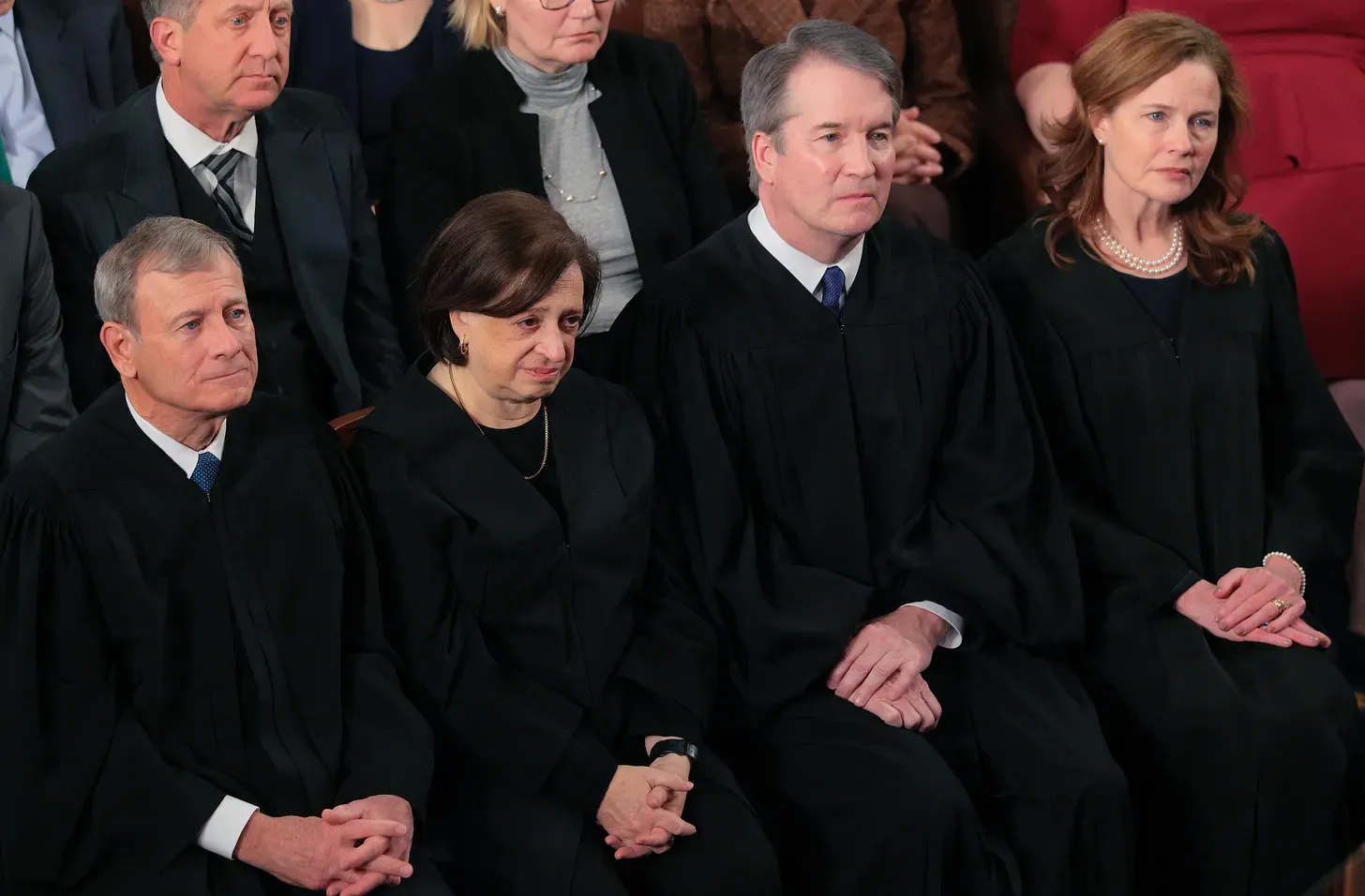
- ⚖️ The US Supreme Court ruled 6–3 in West Virginia v. BPJ and Little v. Hecox that states may ban transgender athletes from women’s and girls’ sports teams based on biological sex.
- ✍️ Justice Brett Kavanaugh wrote: “May schools determine eligibility for women’s and girls’ sports based on biological sex? The answer is yes.”
- 📊 A New York Times / Ipsos poll found 79% of Americans oppose athletes “who were male at birth” participating in women’s sports, including 67% of Democrats.
- 📉 71% of Americans believe no one under 18 should have access to puberty blockers, including 54% of Democrats.
- 🗣️ Reactions split along predictable lines: NBC called it a “major blow to LGBTQ rights”; Governor Tim Walz tweeted the Court said “schools can be cruel to my trans kids”; Kara Dansky called it “a good decision for women and girls.”
- 🏛️ The ACLU opposed the bans; Taibbi notes the ACLU has also broken with former feminist allies by supporting housing biological men in women’s prisons.
- 📰 Taibbi argues opposition is broad and bipartisan, and that the policy was implemented ahead of scientific and political consensus by a Biden day-one executive order.
- 🧪 He mocks the “far from settled” framing on testosterone advantage, comparing it to baseball’s steroid consensus.
- 🗣️ He also argues activists’ language gambits — “sex assigned at birth,” “Latinx” — have failed because people cannot be forced to adopt terminology they find absurd.
- 🎯 Takeaway: the Court’s decision is less a conservative revolution than a return to common-sense categories that activists tried to override through linguistic pressure.
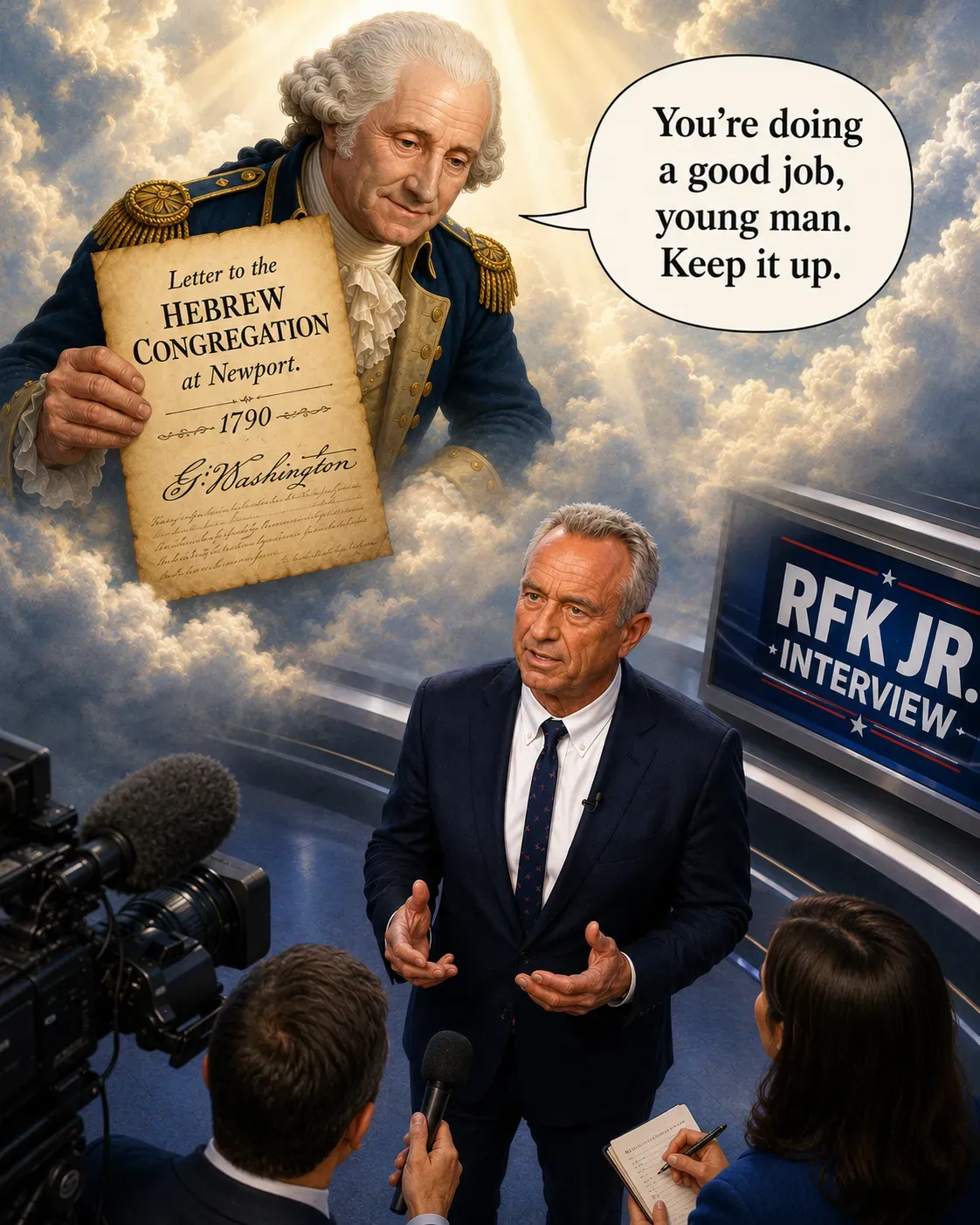
6. RFK Jr Was Right about Genocide
Roger Simon — American Refugees
- 🗣️ Robert F. Kennedy Jr. told Jesse Watters: “The only genocide in the Middle East is the one being committed against Jews and Christians.”
- 📉 In 1948 there were roughly one million Jews in Arab states; today there are fewer than 15,000.
- 📈 By contrast, there are ~2 million Muslim Arab citizens of Israel, and Gaza’s population of ~2 million has roughly doubled since Israel withdrew in 2005.
- ⛪ Simon highlights Christian persecution across the Muslim Middle East, including Iran reportedly moving to seize Tehran’s oldest Protestant church, St. Peter Evangelical Church.
- 🕌 Saudi Arabia and Qatar restrict non-Islamic worship to tightly regulated foreign enclaves; no public churches or synagogues exist.
- 🇳🇬 Nigeria is cited as a place where Christians are oppressed “almost always at the hands of Islamic terrorists or their acolytes.”
- 🇺🇸 Simon contrasts Western openness — over 300 mosques in Texas, ~2,000 in the UK — with Gulf-state restrictions.
- 🤝 He urges a Judeo-Christian alliance, citing George Washington’s 1790 Touro Synagogue letter and warning: “First comes the Jews, then the Christians.”
- ⚠️ The article is opinion advocacy; its demographic and historical claims should be independently verified.
- 🎯 Takeaway: RFK Jr.’s framing — that Jews and Christians, not Muslims, are the primary victims of genocide in the Middle East — is being promoted as a corrective to dominant media narratives.
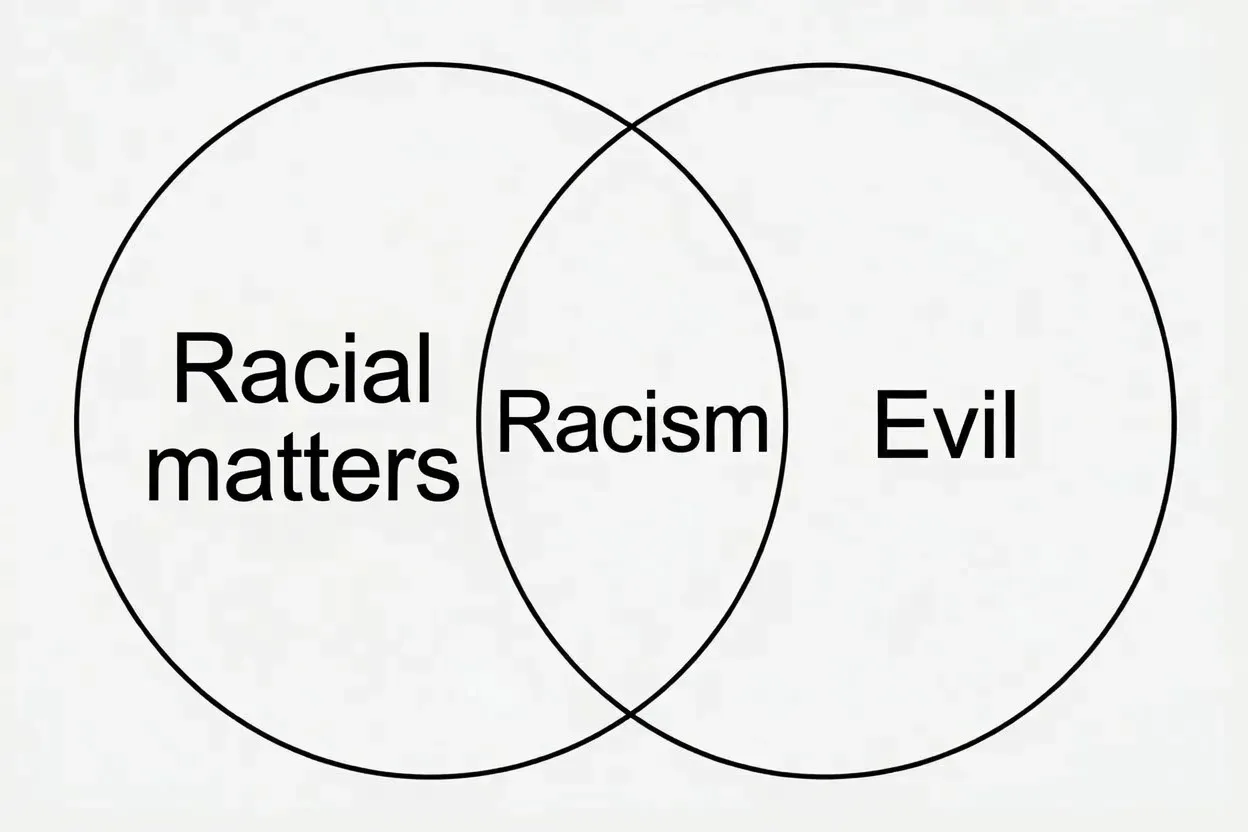
7. What Is Racism?
William McGimpsey — Substack
- 🎭 McGimpsey argues the term racism has been stretched, politicised, and weaponised to the point of becoming analytically useless.
- 📜 The concept evolved from morally neutral racialism (1880s) into heavily condemned racism (early 1900s), then expanded after the 1960s to include structural and institutional racism.
- ⚔️ Two competing definitions now dominate: the classical-liberal “treating people differently based on race” (procedural fairness) versus the progressive “anything producing racial power imbalance.”
- 🏰 McGimpsey applies the motte-and-bailey fallacy: nearly everyone accepts the motte (genocide, systematic rights removal, gratuitous race-based harm are racist), while activists advance the bailey (reparations, affirmative action, race preferences, disagreeing with immigration policy, etc.).
- 🗣️ He argues racism is “inherently censorious” because the same word covers both clearly evil acts and ordinary political disagreements, shutting down debate.
- 🤔 The core question “who decides what counts as racist?” is sidestepped by those using the term to advance ideological agendas.
- 📉 The author proposes reducing racism to a “Platonic form”: race-based evil, stripped of ideological imports from either classical liberalism or progressivism.
- ⚖️ He acknowledges biological-differences debates as part of the background conflict, though he does not fully endorse specific claims.
- 🗣️ The piece is philosophical taxonomy, not empirical social science; its value is in clarifying definitions rather than proving rates.
- 🎯 Takeaway: without a stable definition, racism functions as a moral cudgel rather than a tool of analysis.

8. The Memory Hole Above Beijing
Christina Maas — Reclaim The Net
- ✈️ On 26 June 2026 a small aircraft struck Beijing’s 528-metre CITIC Tower; the pilot was killed and 13 people were injured.
- 🕳️ Within hours, searches for “plane crash in Beijing” on Weibo returned “no results found”; videos and photos were deleted, in some cases removed directly from citizens’ phones by police.
- 🗞️ State media initially ran nothing; a day later a brief official notice admitted a “single-engine double-seat light sports aircraft collided with a high-rise building in flight.”
- 🧱 China runs two censorship systems: the Great Firewall at the border, and platform-level self-censorship that checks every post against blacklists before delivery.
- 🖼️ New images of the crash briefly slipped through because they had not yet been fingerprinted; once fingerprinted, every subsequent upload died instantly.
- 🆔 Real-name verification means anyone posting is identifiable, allowing police to visit witnesses and pressure them to delete footage themselves.
- ⚖️ The Cybersecurity Law, amended in 2026, fines platforms up to 10 million yuan and can punish individual staff for failing to delete forbidden content fast enough.
- 🌍 Maas warns the same tools — image fingerprinting, keyword filtering, identity-linked accounts — are appearing in Western democracies under “child safety,” “online safety,” and “age verification” laws.
- ⚠️ The architecture does not care whether it is keeping you safe or keeping you quiet; whoever holds the blacklist holds the truth.
- 🎯 Takeaway: Beijing’s erased plane crash is a live demonstration of how censorship infrastructure, once built, can delete ordinary reality as easily as dissent.
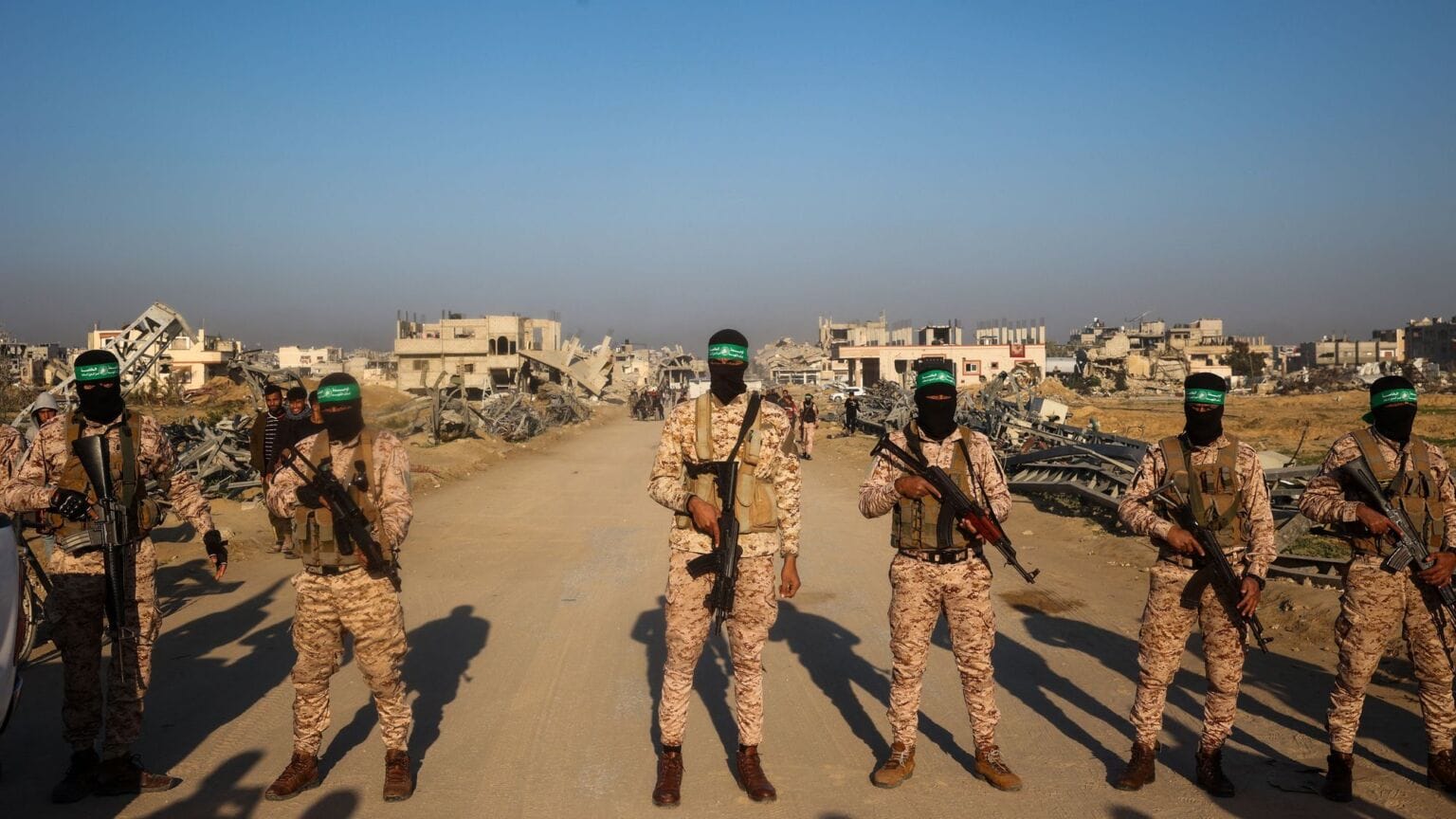
9. Terrorists Who Kill Jews Are Not ‘Journalists’
Jake Wallis Simons — spiked
- 🇺🇳 Israel’s UN ambassador Danny Danon held up photos of three Palestinians publicly mourned as civilians, identifying them as combatants: a Hamas sniper, a Palestinian Islamic Jihad commander, and a Nukhba-force member.
- 📰 Ahmed Wishah, described as a journalist, had been mourned by New York mayor Zohran Mamdani; Mohammad Abu Itiwi, described as a UNRWA worker, had been mourned by UN Secretary-General António Guterres.
- 🛡️ The Committee to Protect Journalists announced it is reviewing its database of journalists killed in the Israel-Gaza war after Hamas and PIJ published obituaries identifying as combatants people CPJ had listed as journalists.
- 📊 A 2024 Henry Jackson Society study found only 5% of surveyed media organisations cited Israeli casualty figures, while 98% used Hamas-controlled health-ministry numbers.
- 🎙️ Simons calls this “one of the gravest failures of journalistic scepticism in modern times.”
- 📰 He accuses Western correspondents including the BBC’s Jeremy Bowen and Sky News’ Alex Crawford of presenting Gaza as a place where Israel targets journalists while ignoring evidence of militant embedding.
- ⚠️ The article argues Palestinian militants have been “masquerading as journalists, medics and aid workers,” and that Western media have amplified the deception.
- 🌍 Simons describes the information environment as “the most intense age of propaganda since Soviet times,” made worse because it spreads voluntarily within free societies.
- 🎯 Takeaway: a major press-freedom organisation is now quietly scrubbing its Gaza casualty database after militant groups exposed what Israel had been saying for months.
10. ‘Experts’ Stumped About How Trump Proved Them Wrong on Oil Prices
Bryan Chai / The Western Journal — The Gateway Pundit
- ⛽ US average pump prices peaked at $4.56/gallon during the worst of the Iran conflict but then fell 70 cents in about a month.
- 📉 The drop contradicted predictions of $150/barrel oil, $5/gallon gasoline, and summer recessions.
- 📰 A Politico headline admitted: “Energy experts said gas prices would stay high. Why were they wrong?”
- 🤔 One oil analyst quoted by Politico said: “It’s the weirdest thing. I’ve never seen a market like this.”
- 📣 Chai argues the pattern reflects misaligned incentives: experts want relevance, outlets want urgency, and audiences respond more strongly to crisis than calm.
- 📉 Bold forecasts travel widely; quiet corrections get little attention, eroding trust in “expert consensus.”
- ⚠️ The piece is commentary, not a market analysis; it relies heavily on Politico’s admission of expert error.
- 🗣️ Chai says no conspiracy is needed — incentives and inertia explain the repeated overconfident projections followed by silent walk-backs.
- 🎯 Takeaway: another case of dramatic expert forecasts failing quietly while the media that amplified them move on without correction.
What our members are saying about Ten@10
Elizabeth
These articles are compulsory reading for me and the perfect addition to the usual list of Goodoil items!
Lynne
Absolutely brilliant to receive these current and thought provoking articles.
Jonathan
Just wanted to let you know that I’m loving this new 10@10. Much appreciated from someone who chooses to read/watch almost NO mainstream media.
Murray
Cam, relish your output as the newspaper in Christchurch is so intent on non news. Thankyou
Fred
Thanks for Ten @ Ten, really enjoy reading it.Keep it up. All the best, keep healthy.
Jocko
Wonderful info not otherwise available in NZ. More power to your elbow! Thanks.