Kiwis, why’d’ya do it? And did you even understand what you were doing?
Australians are notoriously averse to constitutional change: of 45 referendums since Federation in 1901, we’ve only passed eight of them. That’s a strike rate of over 80 per cent. The general consensus seems to be that if the bastards in Canberra want it, then it’s probably a bad idea.
Clearly the bastards in Wellington wanted MMP very much: so why did Kiwis give it to them?
Because, if democracy is the worst system apart from all the others that have been tried, MMP seems to be one of the worst forms of democratic election. And I say that as a Tasmanian who labours under our state’s bizarre, byzantine Hare-Clark system (or, ‘Hare-Brained’, as some of us Taswegian politics wonks call it).
It is that time across the ditch when the political tragics gather in sheep yards and comments sections, stroking their chins and asking the perennial question:
“And, who will win on November 7?”
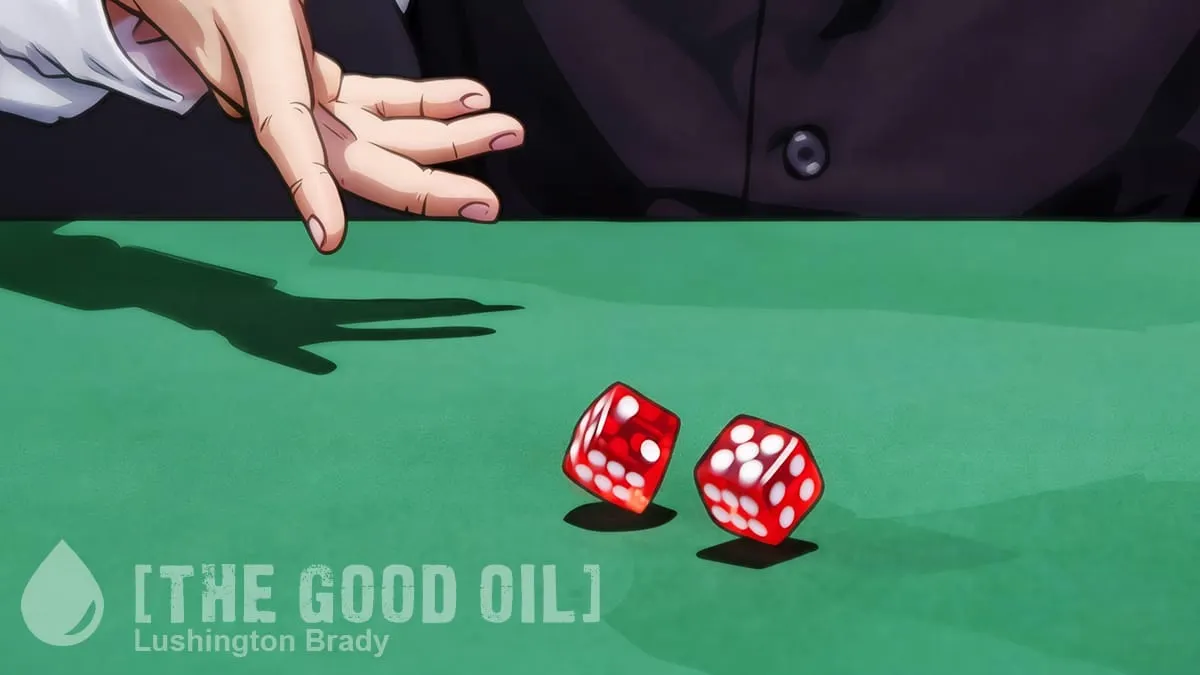
This year, however, the usual parlour game has taken on the air of a high-stakes spin of the roulette wheel. Not merely because the race between the centre-left and centre-right blocs is tighter than a miser’s purse, but because the electoral machinery itself seems designed to confound the mathematically sane.
A rather unusual electoral system which combines proportional representation with having electorate seats. It is called MMP, which stands for Mixed Member Proportional, and it is just as straightforward as it sounds.
Is it, though? Or is it an administrative labyrinth wrapped in a conundrum, designed to deliver a parliament that mirrors the electorate’s whims with the precision of a drunken archer? The theory is charmingly naive: local geographic representation meets proportional purity. But this is government we’re dealing with. So naturally, the execution of the lovely theory is where the comedy begins.
Consider, for instance, the sheer brutality of the threshold. In New Zealand, a party must secure five per cent of the national tally to partake in the spoils of parliament, unless they manage to fluke an electorate seat. Miss it by a whisker, and you vanish into political purgatory.
At present, a diminutive outfit of legacy media darlings, the zoomer socialists styling themselves ‘Opportunity’, dances precariously on this razor’s edge. If they scrape together 5.1 per cent, they likely get to posture as kingmakers. Should they tumble off into the abyss of 4.9 per cent, the arithmetic shifts to the centre-right bloc. It is a system where fractions of a percent can alter the destiny of nations, reducing democratic expression to a game of Russian roulette with a fully loaded cylinder.
Yet, if thresholds are delightfully cruel, the phenomenon of the ‘overhang’ is pure unadulterated farce. This is where MMP truly reveals its capacity for institutional schizophrenia: the delightful consequence of local candidates winning more electorates than their party’s total vote share strictly entitles them to.
Observe the predicament of Prime Minister Christopher Luxon’s National Party. While their national polling languishes around the 28 per cent mark, their grip on local electorates remains stubbornly robust, projected to haul in somewhere around 37 seats.
The inevitable result?
An overhang for one of the major parties. If that happens, parliament simply grows, and National gets no list MPs at all.
The irony is thick enough to choke on. By performing moderately well in local electorates while floundering in the national vote, National risks locking its own heavy hitters out in the cold. We are treated to the sublime spectacle of prominent ministers, such as Finance Minister Nicola Willis, who relies entirely on the party list, and Housing Minister Chris Bishop, whose marginal seat hangs by a thread, staring anxiously into the political abyss. They could become victims of their own local popularity, crowded out of a bloated legislature that swells like an overfed python.
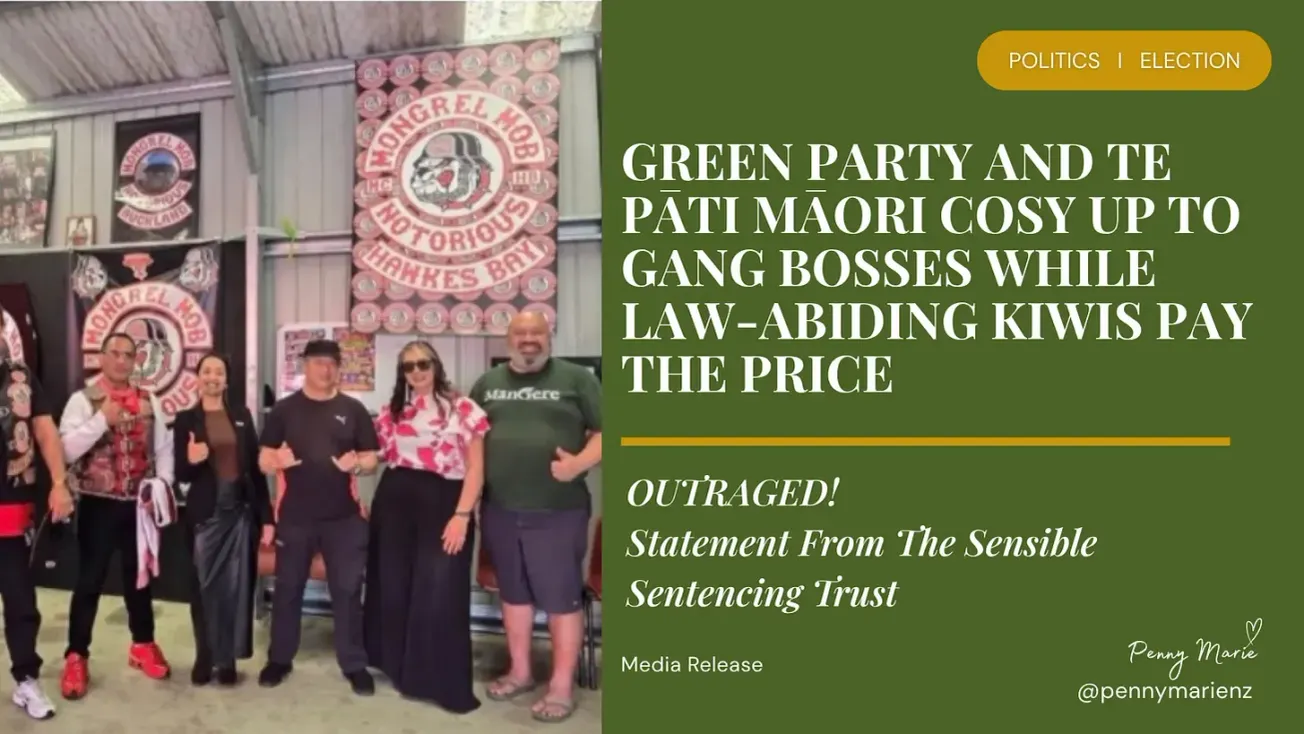
Naturally, the minor parties have not been idle spectators to this mathematical theatre. Te Pāti Māori, polling near the margin of statistical error, plays a cunning game of funnelling party votes elsewhere while hoarding local electorates, thereby inflating the very overhang that threatens the establishment.
One might imagine that such glaring structural absurdities would invite reform. Indeed, sensible committees have tried.
In 2012, the Electoral Commission recommended abolishing overhangs. But the idea was shelved because the parties could not agree on which changes to make.
And so the absurdity persists, preserved in amber by political self-interest and bipartisan cowardice. National gamely urges its flock to cast “two ticks National”, hoping against hope that three decades after its introduction, the electorate might finally grasp the machinery they birthed.
When the ballots are tallied on November 7, we shall discover whether the average Kiwi has mastered this peculiar contraption. But, if recent history is any guide, the ultimate victor will not be left or right, but chaos itself: a parliament bloated, contorted and utterly divorced from the actual will of the people.
And this, like Hare-Clark, seems to be exactly what the system was designed for.