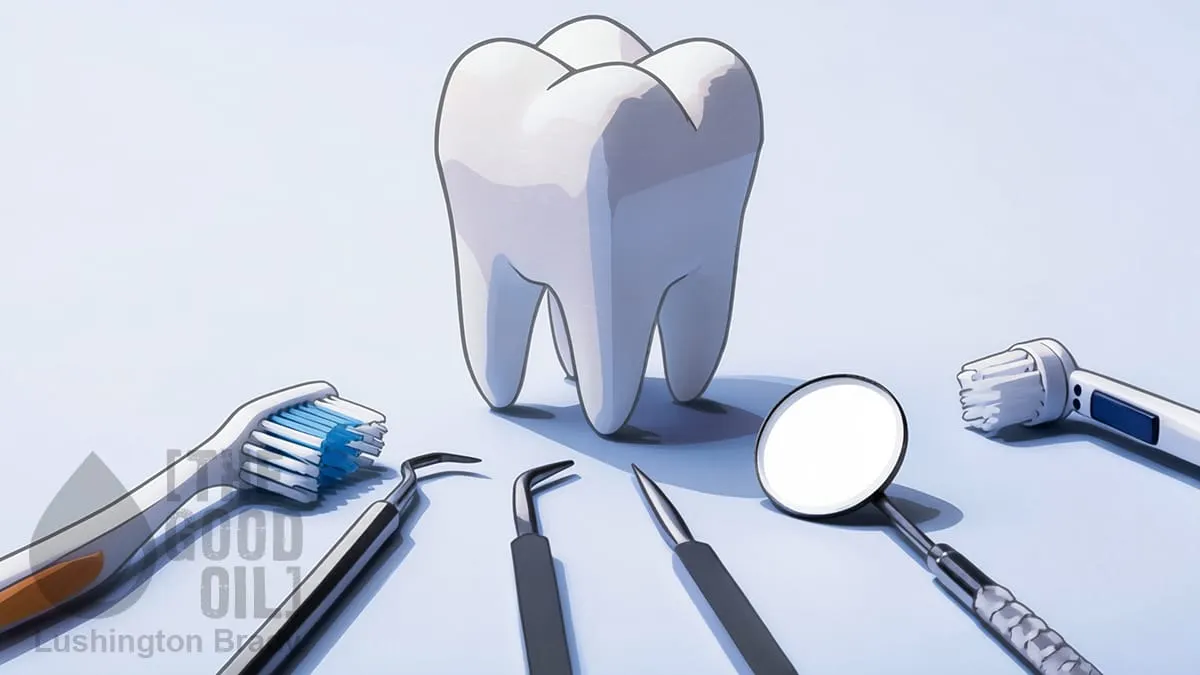
British writer and Climate Cult sceptic James Delingpole missed a golden opportunity, years ago, when he was the subject of a drearily typical attempted ambush by the BBC. When Delingpole challenged the idea of ‘consensus’, with characteristic Cultist smugness, the Beeb smirked whether he’d consult his dentist when dealing with heart issue. The comeback Delingpole missed was that, well, you could do far worse: the link between oral health and heart disease is in fact well-established.
As it turns out, though, having a clean set of gnashers could also be linked to a wide range of health issues. Including how long you’ll live.
To better understand those connections, scientists are studying how issues that start in the mouth may contribute to chronic inflammation elsewhere in the body. In particular, they’re examining how bacteria from diseased gums, and the immune response they trigger, may contribute to conditions including heart disease, diabetes, cognitive decline, arthritis, respiratory disease and chronic liver disease.
The emerging science poses a challenge for healthcare, given the traditional divide between medicine and dentistry – fields that have long been divided by separate training, records and insurance systems.
It also poses a political challenge. One issue I’ll concede the Greens are right on is the ludicrousness of excluding dentistry from Medicare. It turns out that there are solid reasons why dental health should be treated as seriously as any other health issue. Not least because doing so may forestall a great many worse health issues later down the track.
“Dentists haven’t traditionally been trained to think about whole-body health in relation to the mouth, and doctors haven’t been trained to see dental health as a first step to overall wellbeing,” says Dr Jessica Lederhausen, a dentist and author of “Oral”, a book exploring the role of lifestyle on oral health.
But that is changing. Dental schools, which have taught how diseases like diabetes affect the mouth, are also placing greater emphasis on how oral disease can affect the rest of the body. Medical-education leaders have called on medical schools to better integrate oral health into physician training.
At the Harvard School of Dental Medicine, the Initiative to Integrate Oral Health and Medicine is researching how oral-health policy and health-system design can better support “whole-person care,” according to its director, Dr Lisa Simon, who is a dentist and a physician.
Right now, the news isn’t good.
Nearly half of adults over 30 already have periodontitis: the serious kind that dissolves the bone holding your teeth in. By 65, that figure climbs toward 60 per cent, precisely when the rest of the body is most vulnerable. A 2023 review in Biogerontology concluded oral health plays a significant role in “exceptional longevity”, largely through its grip on inflammation. Oral diseases remain a major source of years lived with disability. In other words, bad teeth don’t just hurt: they shorten and sour the life you’ve got left.
The villain is the oral microbiome gone feral. Most of the hundreds of species in your mouth are harmless or helpful. A minority, protected inside sticky biofilms of plaque that harden into tartar, inflame the gums and eventually let bacteria or their toxic by-products leak into the bloodstream every time you chew or brush. The immune system usually mops them up. With chronic gum disease, the barriers are already compromised, so the leakage becomes a steady drip of systemic irritation.
New treatments are trying to interrupt that drip rather than just scrape the teeth again. An experimental drug applied into the gum tissue aims to calm the local immune over-reaction for months. A therapeutic vaccine designed to help the body fight the key pathogens is heading into phase-two trials. Periodontists talk about blocking destructive enzymes, switching off runaway inflammation, or slowing the loss of the very tissue that anchors teeth. AI is already being trained to read X-rays for early signs of trouble, and sensors in the mouth that track inflammation in real time are no longer pure science fiction.
In the United States the biggest practical barrier is insurance: most over-65s have none for dentistry. Studies show a simple preventive dental visit before hospitalisation cuts the risk of certain pneumonias, while periodontal treatment within six months drops it further. Adding dental cover to Medicare, researchers argue, could improve health and even save medical dollars. In Australia the same campaign has been running for years, with dentists campaigning for dentistry to be brought into Medicare, but successive governments keep finding more urgent ways to spend the money (such as blanketing the countryside in solar panels and windmills).
Meanwhile the $US40 billion oral-care industry is busy selling smart toothbrushes and ‘wellness’ flossing routines to the young as if they were the next skincare step. Fair enough. Anything that gets people scrubbing is progress, because the mouth-body connection is no longer fringe speculation. Gum disease tracks with higher risks of certain cancers, harder-to-control diabetes, heart disease, pneumonia, Alzheimer’s, liver disease and rheumatoid arthritis. Treat the gums and, in some cases, the arthritis eases.
So the next time a BBC type sneers that you wouldn’t ask a dentist about your heart, the answer is simple: these days, you might be a fool not to. Keep the plaque at bay and you may just keep the rest of the machine running a little longer.