Table of Contents
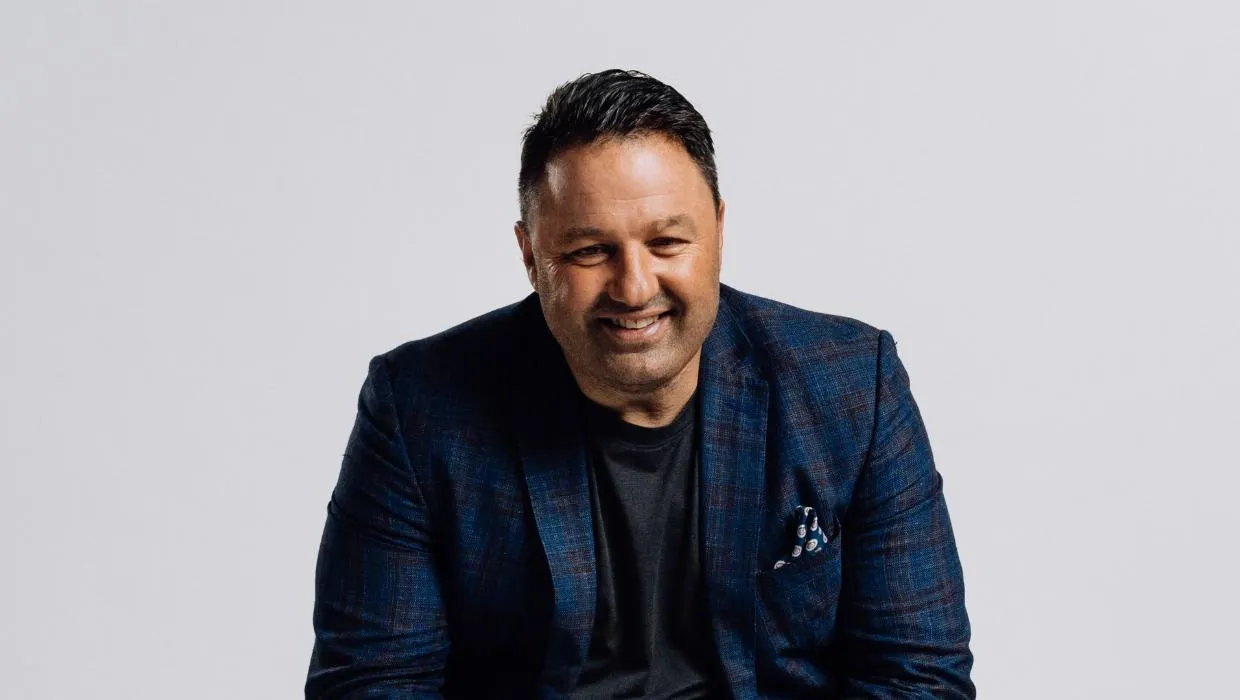
James Hickman
James Hickman (aka Simon Black) is an international investor, entrepreneur, and founder of Sovereign Man.
On January 8, 1959, Fidel Castro rolled into Havana flanked by a ragtag convoy of guerrilla fighters, greeted by tens of thousands of cheering Cubans.
The former dictator/president, Fulgencio Batista, had fled the country a week earlier. And the Cuban people – exhausted by decades of corruption, cronyism, and repression – believed they were witnessing the dawn of a new era.
What they got was more like the old regime on steroids.
Batista spent years consolidating political power, suppressing opposition, and ruling Cuba through a deeply corrupt and authoritarian system.
So when Castro appeared, talking about reform and justice, it felt like deliverance. Instead, Castro took the very worst parts of Batista’s economic model and made them even worse.
Castro completely dismantled any semblance of a free market. Profit was vilified, private businesses were shut down, and trade outside the state’s control became a criminal act.
Whereas Batista had awarded monopolies to his allies, Castro nationalized nearly everything – farms, factories, banks, even small shops. Homes and savings were seized or tightly controlled, all in the name of ‘the people,’ who soon found themselves standing in bread lines.
The currency collapsed. Food became scarce. Speaking out against the regime could land you in prison – or worse. And with secret police and neighborhood informants tracking every word and movement, fear became a feature of daily life.
I often reference that line from Hemingway’s The Sun Also Rises – “How did you go bankrupt?” “Two ways. Gradually, then suddenly.” I usually cite this in reference to US finances, but it’s just as true of cultural revolutions.
History witnessed this with Lenin’s Russia. Mao’s China. Venezuela under Chávez. Iran in 1979. The system rots. People get fed up. And just when it seems like it can’t get any worse, people find out just how bad ‘worse’ could actually become.
In the US, not long ago, a guy like Bernie Sanders was dismissed as a fringe lunatic.
But by 2016, after years of economic distortion, rising debt, asset bubbles, and a disappearing middle class, people were frustrated. Bernie Sanders tapped into that frustration with a message that sounded fresh, even if it was just recycled Marxist garbage.
Then came “The Squad” – Alexandria Ocasio-Cortez, Ilhan Omar, Ayanna Pressley, Rashida Tlaib – who stormed into Congress preaching wealth redistribution, free rent, debt cancellation, Green New Deals… all proudly anti-capitalist.
Now, an entire generation has been sold the idea that socialism can solve the world’s problems.
You’d think that after decades of leftist rule in places like California and New York – where taxes are sky-high, crime is rising, housing is unaffordable, and basic services are falling apart – voters would eventually say, ‘You know what? Maybe this isn’t working.’
But no. They double down.
A new bill in Washington State, for example, proposes a statewide payroll tax aimed at the state’s largest employers – companies like Amazon and Microsoft.
Supporters claim it would generate $5.5 billion every two years.
But we know that’s not true, because Seattle already tried something very similar with the JumpStart tax.
The results: major employers started shifting jobs and operations out of the city. Tax revenues came in below projections. And the biggest winner wasn’t the City of Seattle – it was Bellevue, the business-friendly neighbor that suddenly looked like a tax haven by comparison.
In fact, Amazon famously paused construction on a downtown tower in 2018 during Seattle’s first head tax push – and after the city passed JumpStart in 2020, the company quietly accelerated its expansion plans in Bellevue.
But apparently that little case study in self-sabotage wasn’t enough for state lawmakers. Instead of learning the lesson, they want to replicate it at a larger scale – because when their policies fail, their solution is to go bigger.
Just ask the poster child of doubling-down on failure: California.
Somehow, rather than running Governor Gavin Newsom out of town with pitchforks, voters think his record makes him US presidential material.
The state’s homeless population has exploded since Newsom took office despite pouring more than $20 billion into so-called solutions.
Housing has become unaffordable. Crime has surged. Inflation is higher in California than in most parts of the country. Its unemployment rate is higher, its state economy is slowing more sharply.
Then there’s the left’s dream of a high-speed rail across the state, which is now 15 years overdue, while costs have doubled and the scope has halved.
And the best thing California had going for it, energy independence, has been dismantled by climate fanatics. Businesses and wealthy individuals have been driven out by taxes and regulation.
But do Californians take a step back and say, ‘maybe these policies aren’t working?’
Nope!
Now they’re pushing a new billionaire tax – a ‘one-time’ five per cent wealth grab on individuals worth over $1 billion. The plan is expected to raise $100 billion, which they claim is necessary to offset federal cuts to public health programs.
Wait… the federal funds subsidizing Obamacare, AKA the “Affordable” Care Act which was meant to save the US healthcare system, passed in 2010 with zero Republican votes?
That’s the one! It turns out that Obamacare has failed so miserably that it needs to be bailed out with a billionaire tax.
They don’t understand that it’s their own policies causing the pain. Yet when prices rise, unemployment creeps up, and housing becomes unaffordable they just double down on price controls, taxes, wage mandates, bloated spending, and regulatory overreach.
Instead of asking how to grow the pie, they keep obsessing over how the state can take a bigger slice. The irony, of course, is that the pie keeps shrinking.
This is the cause of stagflation.
Now, it’s not a foregone conclusion that America will sink into this abyss.
The US is wildly dynamic. The size, scale, and ingenuity of the American economy still defy the odds, time and again.
But the risks are real. And that’s why we’ve been talking about having a Plan B for over 15 years.
Not because we’re pessimists. In fact, we’re wildly optimistic for a better future. But sometimes, the system has to hit rock bottom before real change begins.
And it’s better to be prepared for a rough patch ahead than naively assume that everything will be wonderful until the end of time.
This article was originally published by Sovereign Man.