

Science

Have Gay Folks Had Enough of the Alphabet People Too?
Dave Chappelle’s Sticks and Stones comedy special controversially noted that the “unwritten and unspoken rule of show business” is that “you are never, ever, allowed to upset the alphabet people”. On cue, a goodly slice of the “alphabet people” proved his point by completely losing their glitter-sprinkled shit. But
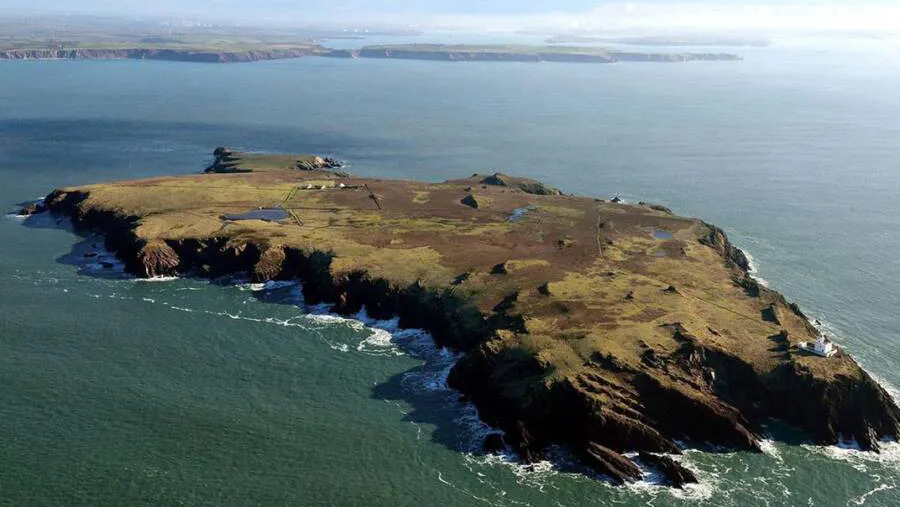
Welsh Rare Bits Dug Up by Bunnies
Some of the most stunning archaeological finds are the results of serendipity. Bedouin shepherd boys stumbling on the cave of the Dead Sea Scrolls. A Napoleonic soldier tripping over the partly-buried Rosetta Stone. A warren of bunnies digging up prehistoric British tools. In a first-of-its-kind discovery this month, a herd

Change to Bio-Plastic and Save the Planet
Apropos of absolutely nothing at all, a question popped into the brain, “If a bio-plastic is still a plastic, why is it better for the planet?” Followed quickly by, “Is it better for the planet?” So what is a bio-plastic? A common one is made from fermented plant starch from
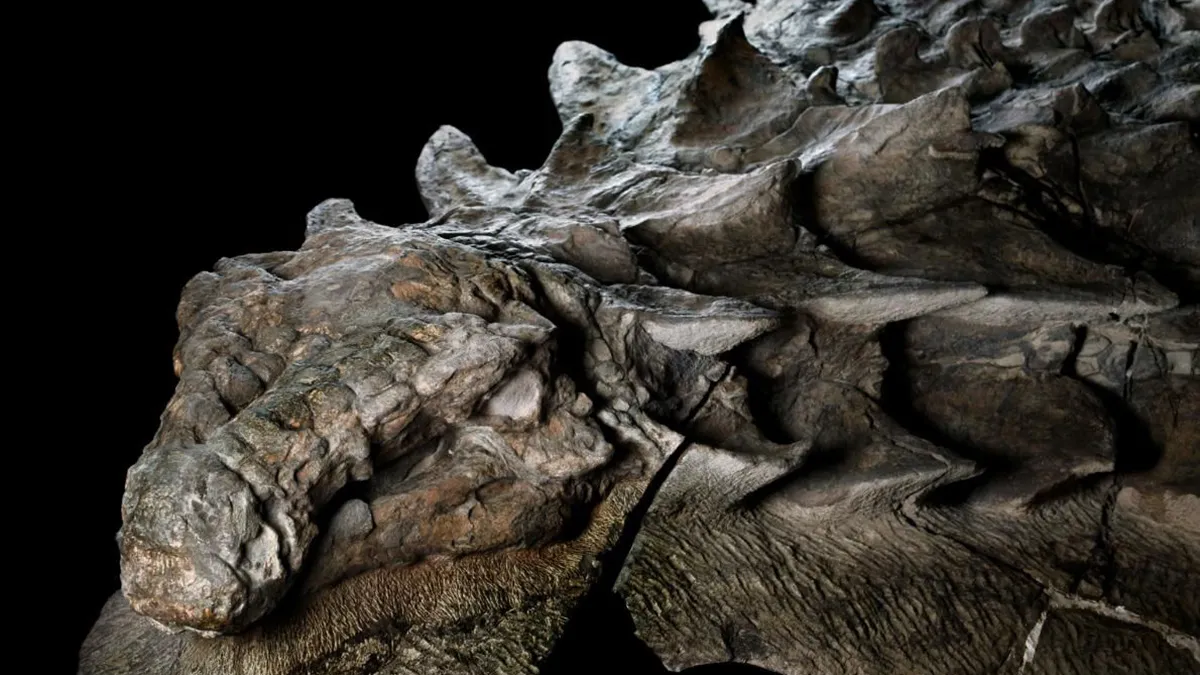
The “Dinosaur Mummy” of Alberta
Think of the word “fossil” and you will almost certainly picture bones. That’s because fossilisation is an incredibly rare and unusual process that prefers the hardest parts of organisms: bones, teeth, shells, woody trunks. Fossils of organisms lacking bones or shells, or the soft body parts of those that

Newly Created Artificial Wombs in Mice Raise Concerns among Abortion Supporters
Right To Life News righttolife.org.uk Concerns have been raised by abortion supporters after scientists in Israel announced that they have managed to gestate more than a thousand mice in artificial wombs. At five days, the mice embryos were removed from their mothers’ wombs and placed in artificial wombs

Twitter Censors Famed Epidemiologist Martin Kulldorff
Jeffrey A. Tucker aier.org Jeffrey A. Tucker is Editorial Director for the American Institute for Economic Research. He is the author of many thousands of articles in the scholarly and popular press and nine books in 5 languages, most recently Liberty or Lockdown. He is also the editor of

Govt Policies Must Catch up with Latest Data on COVID-19
Simon Thornley Ananish Chaudhuri covidplanb.co.nz António Egas Moniz was awarded the Nobel Prize in 1949 for frontal lobotomy, a supposed cure for mental illness. Ultimately, however, Moniz and the Nobel committee were wrong. The operation did irreparable harm to over fifty thousand patients and the results were far

Will AI Kill Us with Convenience?
Freedom of Choice is what you got. Freedom from Choice is what you want. Devo From the beginnings of the Industrial Revolution, humans have fretted that the machines of our own inventions would also spell our extinction. First, weaving mills were going to make workers redundant. Then robots were going

The Many Variants of Fauci’s Mutating COVID Advice
Phillip W. Magness aier.org Phil Magness is a Senior Research Fellow at the American Institute for Economic Research. He is the author of numerous works on economic history, taxation, economic inequality, the history of slavery, and education policy in the United States. In an explosive Senate hearing on March

Great Barrington Declaration Scientists with Gov. Desantis in Florida
AIER Staff aier.org Founded in 1933, the American Institute for Economic Research (AIER) is one of the oldest and most respected nonpartisan economic research and advocacy organizations in the country. Florida Governor Ron DeSantis, on the one-year anniversary of the lockdowns, invited back the scientists behind the Great Barrington

Nuclear Reactor Explosions and Excursions
Marc Grey Despite being one of the safest types of energy generation, there is a common perception that nuclear power is dangerous. Probably the most common view about nuclear power danger is that a reactor may explode. In this article, we explore what type of explosions can occur and along
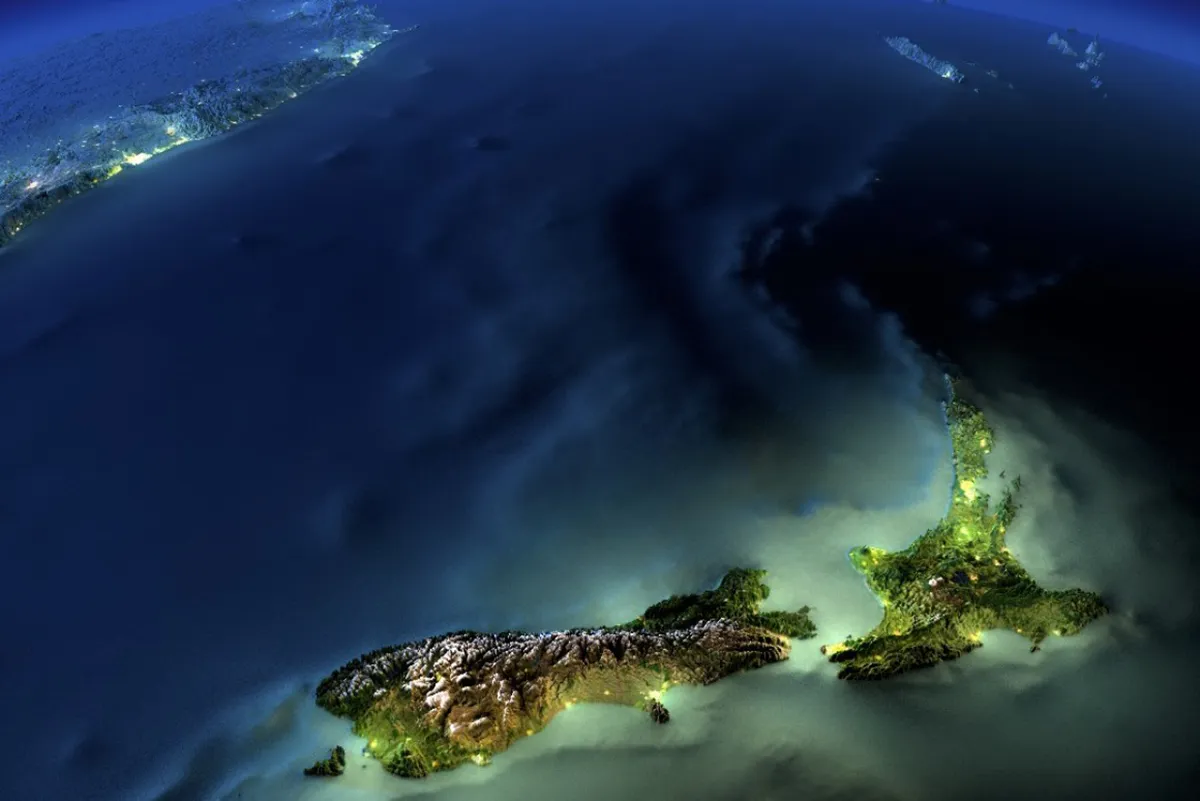
Kiwis Are Standing on the Peaks of Zealandia
The notion of the “lost continent” of Lemuria was first put forward in the mid-19th century, attempting to explain the presence of lemur fossils in both Madagascar and India and nowhere in between. Zoologist Philip Sclater proposed that, like Atlantis, Lemuria had “sunk beneath the waves”, in what is now