Table of Contents
Tarryn Basden
particle.scitech.org.au
Tarryn Basden is a biologist and science communicator from Western Australia. While she has had the privilege of working with lions and tigers and bears, oh my! She really enjoys teaching people about weird animals and making terrible puns as part of her science communication. While she is slowly coming to terms with Pluto’s demotion, she still refers to it as a planet.
Curious about taxidermy but can’t be stuffed researching it? Here’s everything you need to know about this slightly gruesome art.
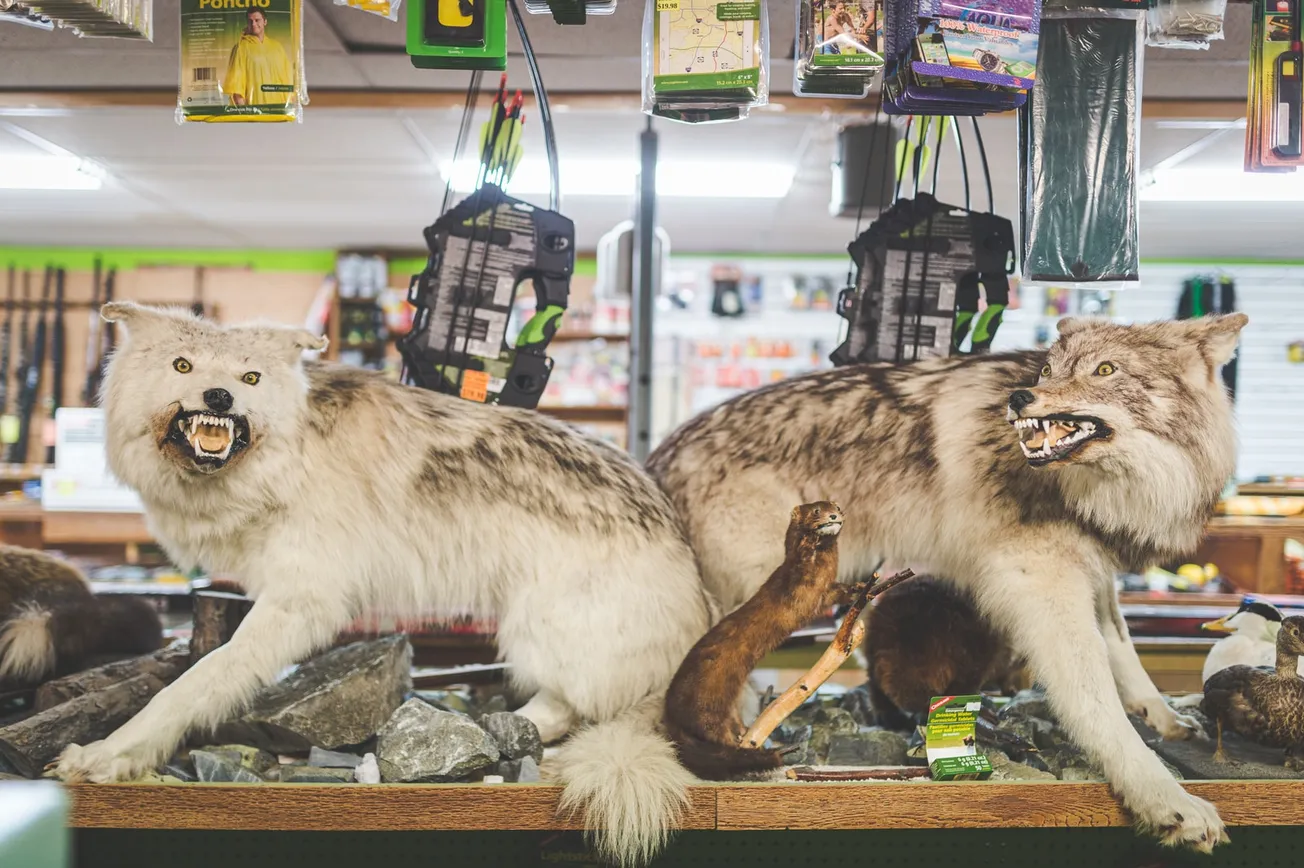
Visit any museum and you’re almost guaranteed to come across taxidermied animals staring into your soul. If you’re with kids, the sight is usually met with the wide-eyed exclamation, “Is that real?!”
Most of us could confidently reply, “Yes, it’s stuffed.” But stuffed with what? And how? And more importantly, why?
Welcome to Taxidermy 101.
The birth of taxidermy
The word taxidermy comes from the Greek words ‘taxis’ meaning arrangement and ‘derma’ meaning skin. It translates to ‘arrangement of skin’. It has a bit of a Silence of the Lambs villain Hannibal Lecter vibe, doesn’t it?
But taxidermy is an often misunderstood art, mainly used for scientific purposes.
The process began its life (so to speak) out of practicality. When new species were discovered by explorers, they were brought home to display the wonders of the exotic world.
However, bringing a live – or even freshly dead – lion on a long ocean voyage presented some obvious problems. The animals were often skinned and turned into a leather pelt.
But skins and hides don’t show the animal in all its natural glory. Upon reaching the end of their journey, the skin would be stuffed to make it appear more lifelike.
In this way, taxidermy gave people the opportunity to get up close to animals they wouldn’t usually encounter in the wild.
Don’t stuff it up
Unfortunately, early taxidermists had rarely seen the animals in real life. Their work would often end up like Leo, the ill-fated derpy lion from the 1700s.
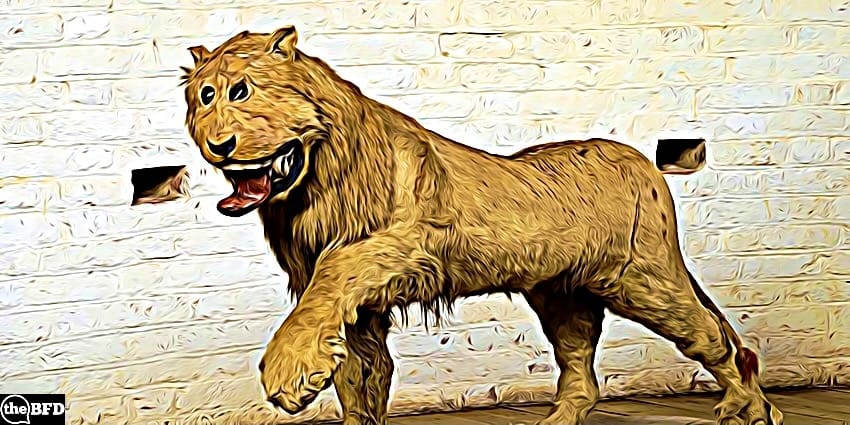
Thankfully, taxidermy techniques have come a long way since then. In fact, if you talk to a modern day taxidermist, they will tell you that they no longer ‘stuff’ animals at all. They mount them (which, to be fair, doesn’t sound a whole lot better).
Instead of crudely stuffing an animal with cotton or straw, the prepared skin (minus all the gross, squishy stuff) is mounted on a form – a plastic-like model of the animal.
Before mounting the skin, every possible measurement is made of the animal’s features, and the form is customised to match the individual. This ensures the final product is as close to an exact replica as possible.
A world-famous example of taxidermy is on display in the Science and Technology Gallery at National Museums Scotland. Dolly the Sheep was the first mammal to be cloned from an adult cell when she was born in 1996. When she died in 2003, her remains were donated to the museum for display.
The edge of life and death
Taxidermy started as a way of displaying animals that people were unlikely to see in real life. For the most part, that’s still true.
Museums and other institutions use taxidermy to preserve specimens for educational and research purposes.
Some people feel there’s enough taxidermy around and we don’t need any more. But the evolution of taxidermy over the years is perhaps a case for why it should continue.
These days, animals are very rarely killed specifically for the purpose of taxidermy – not counting some hunting practices. They generally die of natural causes or have been humanely euthanised for welfare reasons, then had their remains donated.
And if you’re wondering whether you can taxidermy people, the taxidermy of humans is illegal (and super gross) so our answer is a firm “get stuffed”.
This article was originally published on Particle. Read the original article.