Table of Contents
Peter MacDonald
Modern gender reassignment surgeries and the use of puberty blockers may seem like recent developments but their roots reach back over a century intertwined with war, trauma, ideology and profit.
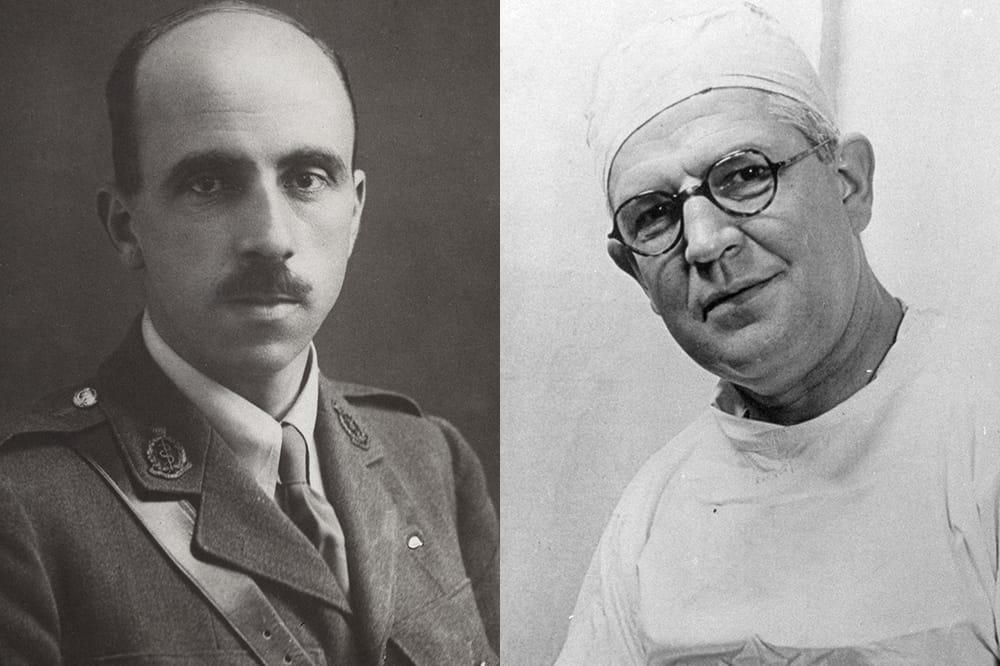
One of the key figures in this history was Harold Gillies, a New Zealand-born surgeon who pioneered reconstructive facial surgery during World War I. He treated countless soldiers wounded in the trenches, many of whom suffered facial disfigurement or genital mutilation. In the years following the war, Gillies performed what are now considered some of the first gender reassignment surgeries both male-to-female and female-to-male.
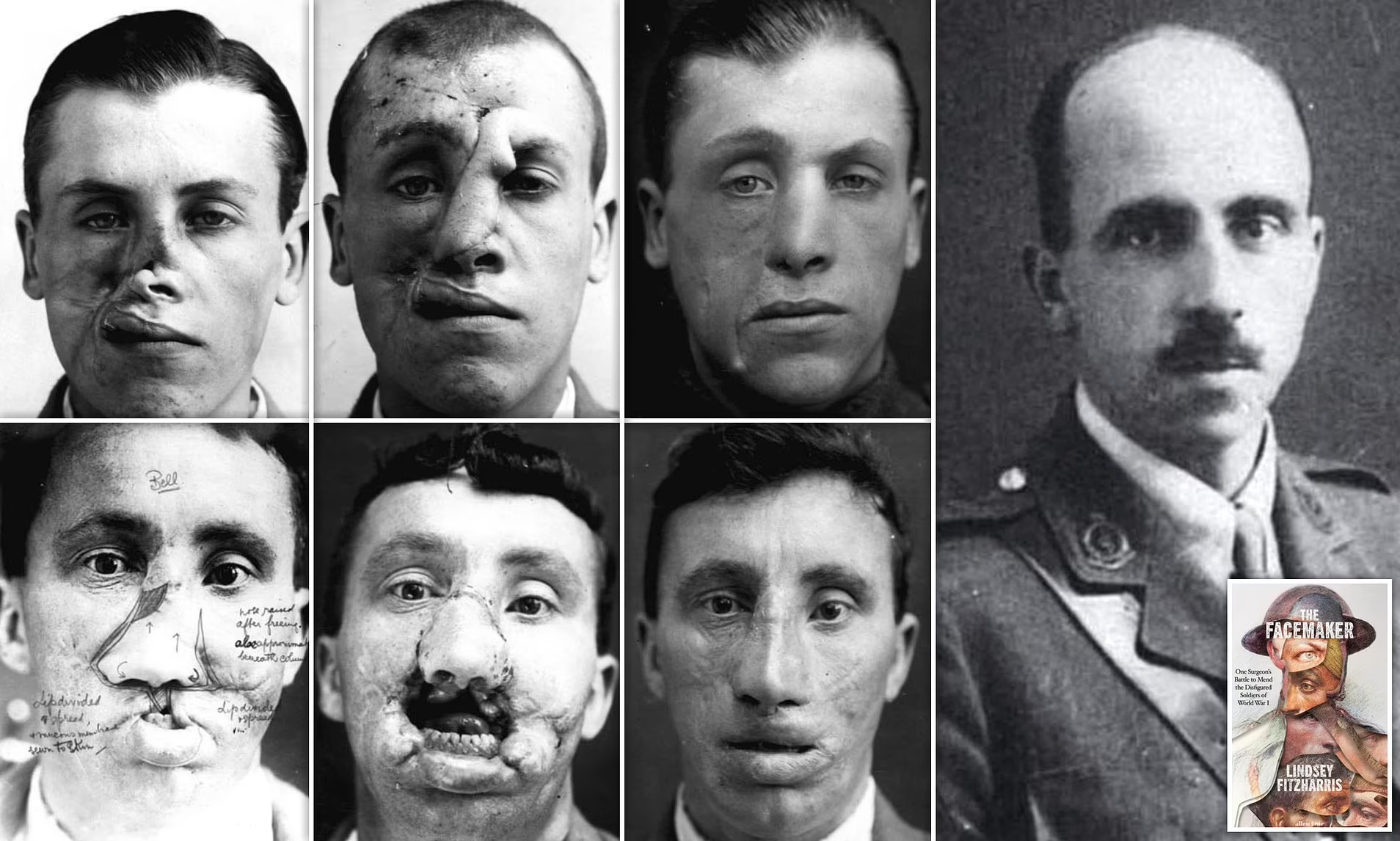
Gillies’ work laid the groundwork for the plastic surgery industry. His cousin, Sir Archibald McIndoe, also a New Zealander, built on these surgical techniques during WWII, restoring the faces and hands of severely burned RAF airmen. Together, their wartime innovations evolved into two major industries: cosmetic surgery and gender transition surgery, both now worth billions and deeply entangled with pharmaceutical profits.
Around the same time, another New Zealander, John Money, was making waves in the field of psychology. Working in the 1950s and ’60s at Johns Hopkins University, Money introduced the concepts of gender identity and gender roles. But his most infamous experiment involved a baby boy whose botched circumcision led Money to advise raising him as a girl. Known as the “John/Joan” case, the psychological and emotional toll was catastrophic. Both twins involved in the study later took their own lives. What was once hailed as a success became a tragic reminder of the dangers of ideologically driven medicine.
Pop Culture’s Role in the Gender Revolution
While the medical and psychological roots of the gender industry can be traced back to New Zealanders like Harold Gillies and John Money, the ideology didn’t spread through hospitals alone, it was amplified and normalised through pop culture, especially in the 1970s and ’80s.
The music industry, always ahead of cultural shifts, began pushing androgyny and gender ambiguity into the mainstream. David Bowie’s Ziggy Stardust persona, glam rockers like Sweet, T Rex, and later artists such as Boy George and Prince, blurred the lines between male and female presentation, combining masculine features with makeup, feminine hairstyles and flamboyant costumes.
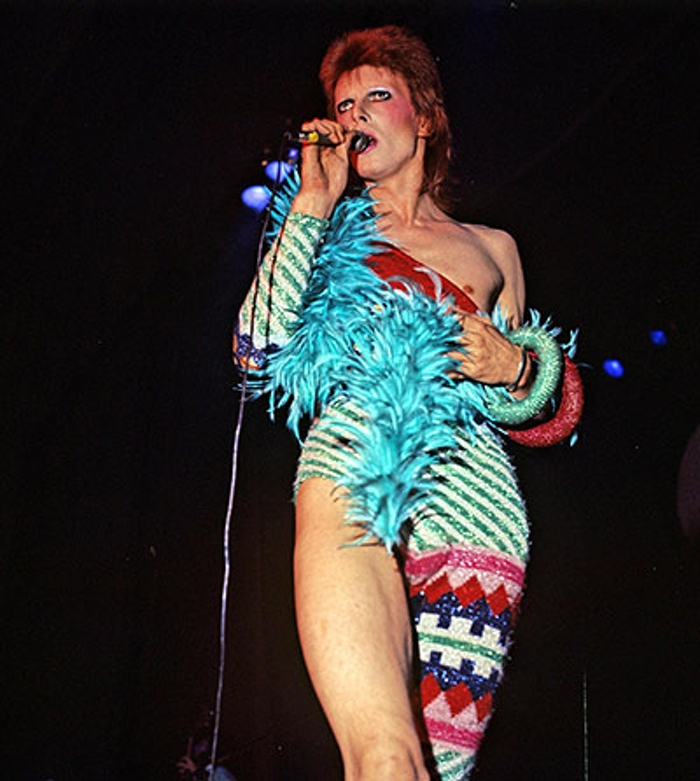
Songs like “Lola” by The Kinks, a 1969 chart-topping hit, about a young man’s encounter with a transgender individual, pushed gender themes into the radios and record players of millions of teenagers, often without parents even realising what was being introduced. For many youths, these artists became icons, reshaping what it meant to be male or female and planting the seeds of gender fluidity into popular imagination.
This wasn’t accidental. Cultural theorists and social engineers have long understood that music, fashion and celebrity have the power to reshape society’s norms more effectively than politics or policy ever could. Before gender ideology entered the school curriculum it was already playing on the stereo.
Today, these historical strands have come together in what critics now call a medical-industrial complex surrounding gender. Central to this system is the widespread use of puberty blockers drugs designed to suppress natural hormone development. Often portrayed as a ‘harmless’ pause button, these drugs alter thyroid function, reduce testosterone in boys and introduce testosterone in girls, interfering with development during a critical stage of life.
Yet the side effects are far from minor. Children can suffer from bone thinning, cognitive changes, emotional instability and, in more severe cases, kidney damage. There are growing concerns that prolonged use may shorten life expectancy, with some young people already ending up on dialysis. Despite these serious risks, informed consent is frequently overlooked and many families report being rushed into treatment without being told the full truth.
It brings to mind a dark chapter in medical history: the era of lobotomies. In the 1940s and ’50s, lobotomies were promoted as a miracle cure for mental illness. Doctors assured families it would help stabilise behaviour or restore emotional balance. Thousands of people, including children, underwent irreversible brain surgery, often with devastating consequences. It was only decades later that the practice was widely condemned as a barbaric failure of medicine and ethics.
Are we witnessing the same pattern today, only this time with puberty blockers and gender surgery?
Supporters of gender-affirming care claim it is lifesaving. But a rising number of detransitioners, medical professionals and parents are sounding the alarm: children are being fast-tracked under immense social and political pressure into irreversible procedures they may not fully understand. Dissent is silenced and professionals who raise concerns are often attacked or cancelled.
At its core, this issue is not just medical, it’s moral. It reflects a deeper cultural struggle between truth and ideology: between the understanding of personhood and a modern movement that insists human identity is fluid, self-defined and subject to chemical and surgical change.
The key questions remain:
1. How do we best protect and guide our children?
2. Who benefits from this billion-dollar industry?
3. And will we look back on this era the way we now view lobotomies with regret, asking, How did we let this happen?
Good Oil News exists to bring truth, light and clarity to complex issues. Let us not be afraid to ask the hard questions. Our children deserve nothing less.