Table of Contents
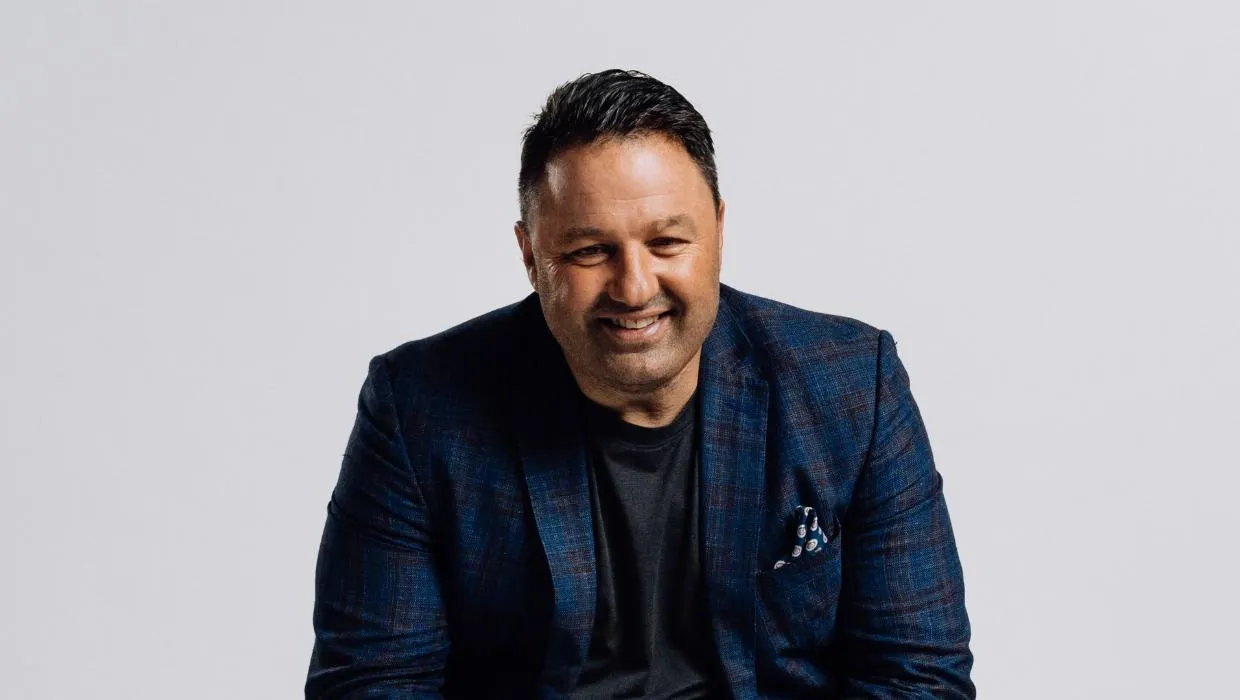
Ashley Church
Although I come from a strongly left-wing family, I have been a National voter since my first vote, in 1987 – in fact I cast that vote for myself as I was standing for National as their Napier Candidate.
As such, it’s not an exaggeration to say that the National Party has been in my blood.
Over the following years I served on branch committees, I chaired campaigns and I spent years inside the party, arguing policy, building organisation and defending its values. A friend I persuaded to join the party even went on to become one of NZ’s best known cabinet ministers in the Key government.
My loyalty wasn’t casual – it was lived – and for a very long time, that loyalty blinded me to what was happening within the party.
The National Party I loved and worked for believed in things that mattered. It believed in the primacy of the family. In national cohesion. In personal responsibility. In economic discipline, not as a slogan, but as a moral position. It believed that the state should be small, restrained and deeply suspicious of social engineering. It understood that NZ had a unique DNA that made it the greatest nation on earth and that culture mattered because, once a nation loses confidence in who it is, everything else becomes secondary.
That National Party is gone.
It didn’t disappear in a single election or under a single leader. It drifted. Quietly. Relentlessly. Always insisting nothing fundamental had changed.
If you want to understand how this happened, look at Disney.
In 1990, Disney was not just a company: it was a cultural icon. It represented wholesomeness, shared values, social decency and stories that reinforced the family. You let your children watch Disney because you knew what Disney was.
In 2026, the landscape is very different. Disney is now a network that discerning parents shield their children from. A network that places extreme ideology over the sensibilities of its audience. But while this massive decline in brand value is obvious to us now, the collapse didn’t happen overnight. Disney claimed that it was ‘evolving’. New values were introduced. Old assumptions were questioned. Politics crept in, then activism. Each step was defended as progress. Each concern was dismissed as overreaction.
Now viewers are walking away in droves, even as Disney executives insist that it’s still the same company.
It isn’t. And neither is National.
For years, I told myself that the changes were superficial; that the core was intact; that this was about tone, presentation or tactical compromise. But that explanation no longer holds.
Why? Because, while the address remained the same, somebody else moved into the house.
The National caucus in 2026 is nothing like the National caucus of the ’90s or even the early 2000s. This caucus hasn’t abandoned the values of the old National Party – it never held them. This caucus believes in the so-called ‘progressive’ policies that we would once have associated with semi-extreme left-wing movements – not just tolerates them, but believes in them, endorses them and is determined to implement them.
A rollcall of these ideas reads like a policy wish list for the old left. Ideas about ‘identity’ that promote mythology and fracture society rather than bind it. Ideas about ‘equality’ that destroy the idea of ‘one Kiwi, one vote’ and require unequal treatment. Ideas about speech that prioritise protection from ‘hurt feelings’ over the right to free expression of views. Ideas about culture that treat national identity as something to be apologised for, diluted or dismantled.
These ideas are not harmless. Across the Western world, they are destroying social bonds, corroding trust in institutions and platforming hatred through the vilification of specific groups.
And once a caucus believes these things, it cannot undo them. This is why National will not change course. It can’t. Why? Because you can’t vote out a worldview that has already captured the party internally.
That is why the election of 2023 now feels like a broken promise.
National was elected with a mandate to pull the country back from the brink. Voters were not asking for refinement: they were demanding reversal. They wanted ideological frameworks dismantled, not rebranded. They wanted institutions reclaimed, not politely nudged. They wanted courage.
Instead, National doubled down on too much of what it inherited.
There has been no serious action on the bias embedded in state-owned media, despite said bias being patently obvious to all but the most oblivious. The cultural assumptions baked into the public service remain largely untouched. The architecture of progressive policy has been preserved, with only the rhetoric softened in the lame hope that we won’t notice.
The anger this has generated amongst traditional National voters is real and it is deep.
To be clear – this isn’t rage for its own sake. It is the anger of people who feel tricked: people who voted for change and got more of the same. People who believed the country would be pulled back onto solid ground and instead watched it settle more comfortably into the very ideas that they rejected.
That anger has attached itself to Chris Luxon. Not because he is uniquely culpable, but because he has become the face of inaction. A decent man fronting a caucus that no longer shares the instincts of the people who elected it.
And that is where the real discomfort begins.
Because once you accept that National is no longer the vessel for the values it once championed, you are forced to ask an unavoidable question: If you still believe in those values, where do you go?
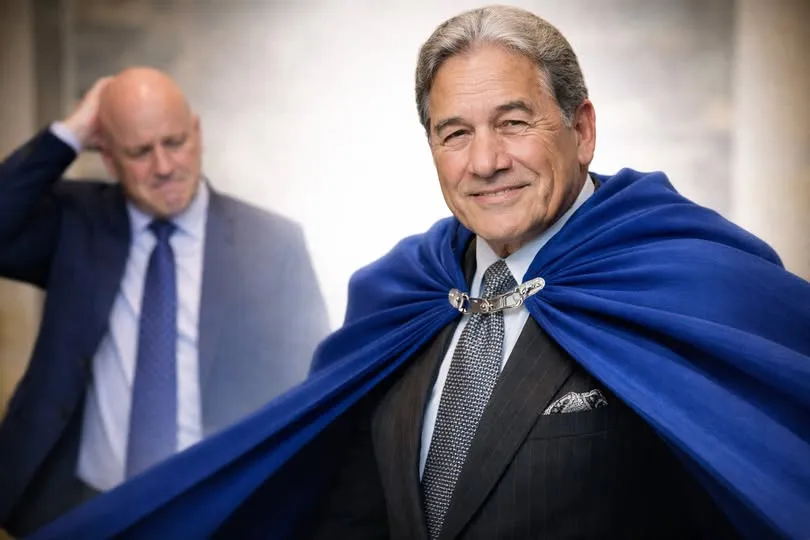
And that brings me to New Zealand First. New Zealand First, today, is the National of the 1990s. In the 1990s, National was the party that drew the line – that said this far and no further. In 2026, that party is NZ First and National has moved the line several miles further south.
I don’t agree with everything that New Zealand First stands for. I never have. But I recognise in it something that I no longer see in National: a willingness to say no; a refusal to bow automatically to fashionable ideology; an insistence that national identity matters; a focus on the family as the basis of society; a belief that social cohesion is not an optional extra, but the foundation of everything else.
Everything that National used to stand for, but no longer does.
And here is the part that should put minds at ease.
There is no risk in voting New Zealand First in 2026. The party is already polling in the teens – so strengthening it does not risk changing the government. Instead, it changes the balance within a new coalition and changes the weighting of the values which are amplified. More of what we want – less of what we don’t.
A stronger NZ First means a coalition where traditional values inform policy again. Where so-called progressive assumptions are challenged rather than absorbed and where the country’s direction is determined by the voters – not those within the governing party’s caucus.
A New Zealand First with 20 per cent of the vote could bring about real change – not just policy scraps on the sidelines.
If you believe in the values of the National Party then, in 2026, vote for the party that best exemplifies them – NZ First – because sometimes the hardest political decision is not changing your beliefs: It is admitting that the party you support has already changed theirs...