Table of Contents
Peter MacDonald
This week’s sweeping police raids across the North Island mark an ignominious outcome for what was once a mysterious and mythic chapter in the global history of outlaw motorcycle clubs. The Hells Angels New Zealand chapter, long cloaked in secrecy and discipline, has now suffered a decisive blow: its leadership arrested, $2.5 million in assets seized and its once-formidable influence in regions like Whanganui now publicly unravelling.
But to grasp the magnitude of this fall, one must first understand the mythology that elevated the Hells Angels to global infamy.
From Warbirds to the Open Road
The name “Hells Angels” didn’t originate with bikers, but with World War II bomber squadrons, particularly the Flying Tigers US airmen fighting in the Pacific theatre. One famed unit of the 303rd Bomb Group took on the moniker “Hell’s Angels”, evoking danger, daring and defiance. These sentiments bled into post-war motorcycle culture.
After the war, many returning veterans, particularly former aircrew and pilots, sought to recreate the camaraderie, danger and adrenaline of the wartime missions. Motorcycles became the perfect outlet. What began as flying over jungle islands in the Pacific soon became roaring down highways across peacetime America.
For these men, riding wasn’t just leisure: it was therapy. Many of them later said that riding the white line made them whole again. It gave them back the sense of purpose, brotherhood and focus they had lost when the guns fell silent. The open road became their sky, the engine and their new war cry.
The Sonny Barger Blueprint
By 1957 the veterans’ loose biker fraternity was coalesced into a single force by Ralph “Sonny” Barger, the charismatic leader of the Oakland, California chapter. Barger, himself ex-military, brought military-style hierarchy, rules and national unity to what had been a decentralised brotherhood. Under his guidance, the Angels were incorporated in 1966 and spread internationally.
Barger once famously said, “I didn’t found the Angels: I founded their myth.” And indeed, that myth became one of the most powerful cultural exports of post-war America.
New Zealand Connection
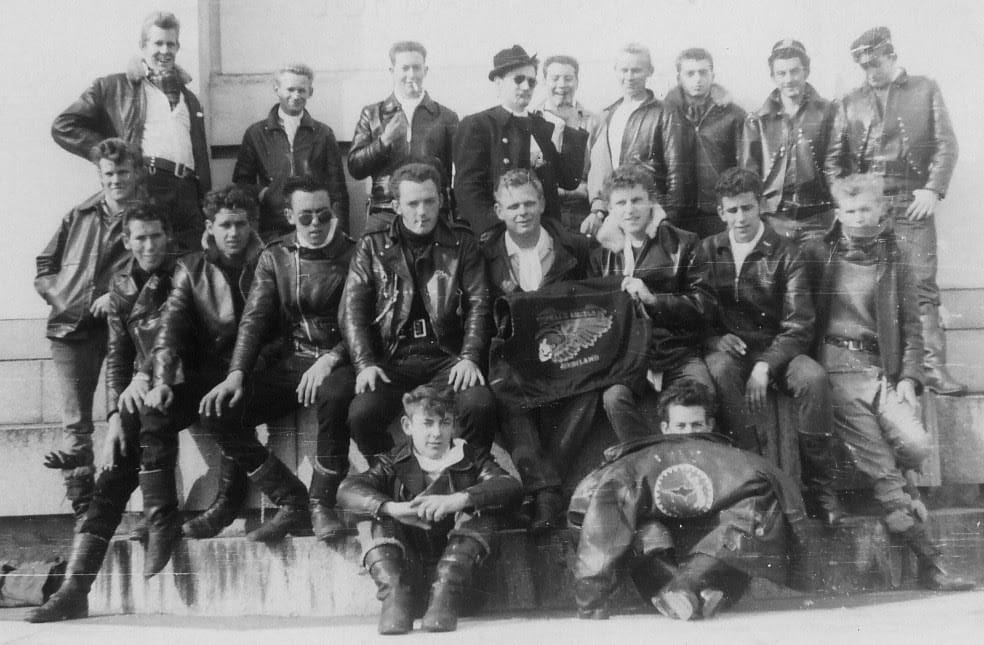
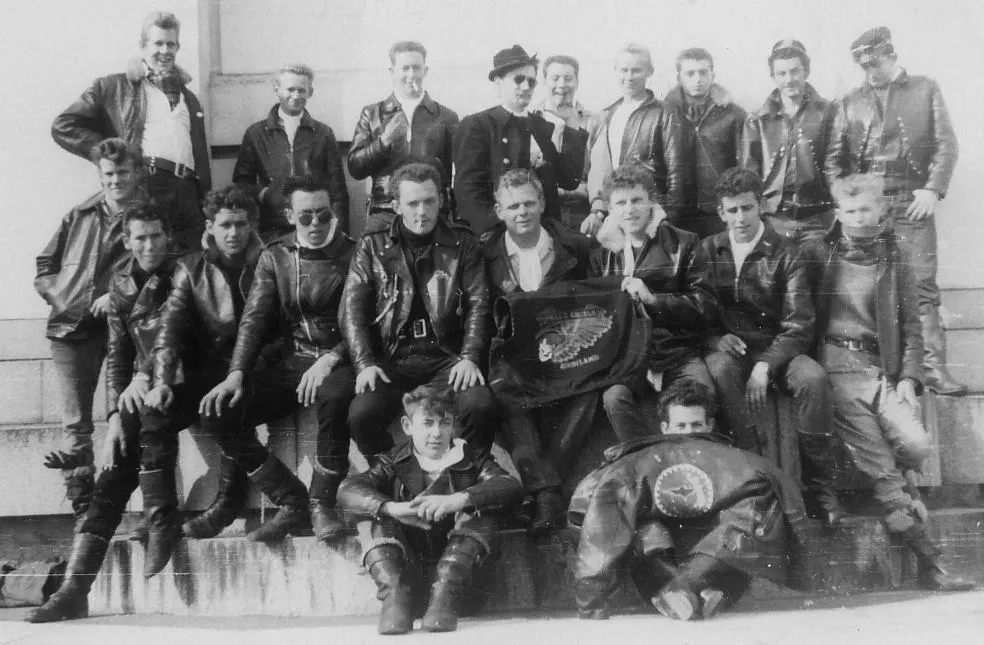
In 1961, Sonny Barger visited Auckland, where he helped establish the first official Hells Angels chapter outside the United States. This direct lineage to Oakland gave New Zealand’s chapter elite status within the global organisation. Early members, now in their 80s, recall the original crew as motorcycle enthusiasts and hard workers, not criminals. They were mechanics, tradesmen and small business owners. They rode for freedom, brotherhood and the thrill of it all.
But by the 1970s and 1980s, as the club hardened into an organised criminal entity globally, the New Zealand chapter adopted strict internal rules to preserve discretion and avoid law enforcement heat: no public displays of colours, no disgrace to the club and every member had to be gainfully employed. This low-key professionalism made them the most successful and disciplined criminal gang in New Zealand – a far cry from the chaos of street-level gangs.
Cultural Earthquake
The Hells Angels exploded into pop culture in the 1960s and ’70s, becoming permanent fixtures in novels, B-movies and documentaries. The writings of Hunter S Thompson, especially Hell’s Angels: The Strange and Terrible Saga of the Outlaw Motorcycle Gangs (1966), catapulted them into literary infamy. Thompson embedded himself with the club for over a year, capturing their paradoxical blend of brotherhood and brutality. His work blurred the line between journalism and mythology, and the media followed suit.
The 1969 Altamont Free Concert, where the Hells Angels provided ‘security’ for the Rolling Stones, marked the moment when the outlaw image curdled into menace. What had once been romanticised as rebellion was now seen as dangerous volatility. That event, and the violence associated with it, would forever brand the Angels as icons of countercultural chaos.
The Harley Effect
At the heart of the myth was the machine: Harley-Davidson. The Hells Angels didn’t just ride Harleys, they deified them. And through their influence, the Harley became a global symbol of freedom, masculinity and rebellion. To this day, Harley-Davidson enjoys outsized popularity, especially in places like New Zealand, largely because of the myth Barger and the Angels helped construct. The bad-boy biker image still sells bikes, jackets and dreams.
The Fall
But legends fade. What began as adrenaline and honor, morphed into meth labs, real estate laundering and violent turf wars. In the US, shootouts occurred at casinos; in the Netherlands, tit-for-tat killings erupted between rival clubs.
New Zealand was not immune. Over time, the Whanganui chapter and others mirrored the international shift. Brotherhood was replaced with business and discretion with surveillance. Eventually, organised crime investigations exposed them and the very secrecy that once protected them was shattered.
This week’s arrests and seizures mark more than just a police victory. They signify the demystification of an outlaw empire and the end of a carefully constructed narrative. From war heroes to rebels, from barons to prisoners, the Hells Angels NZ chapter is now a cautionary footnote in the very legend it helped create.