Remote sub-Antarctic Macquarie Island made headlines some years ago for finally eradicating cats. Turns out, though, that the island is still infested with a pack of gigantic pussies.
In an unusual move, staff have been withdrawn from Macquarie Island over concerns for their psychological safety.
Their given reason is, wait for it: bird flu. They are not even trying to pretend there’s any serious risk of infection in humans. No, they’re just worried that a bunch of elephant seals might die, and the poor ickle wee public servants in lab coats might get a bit sad about it. Or, to put it in HR-Speak: “A significant wildlife mortality event could expose expeditioners to prolonged psychological stress and other workplace impacts.”
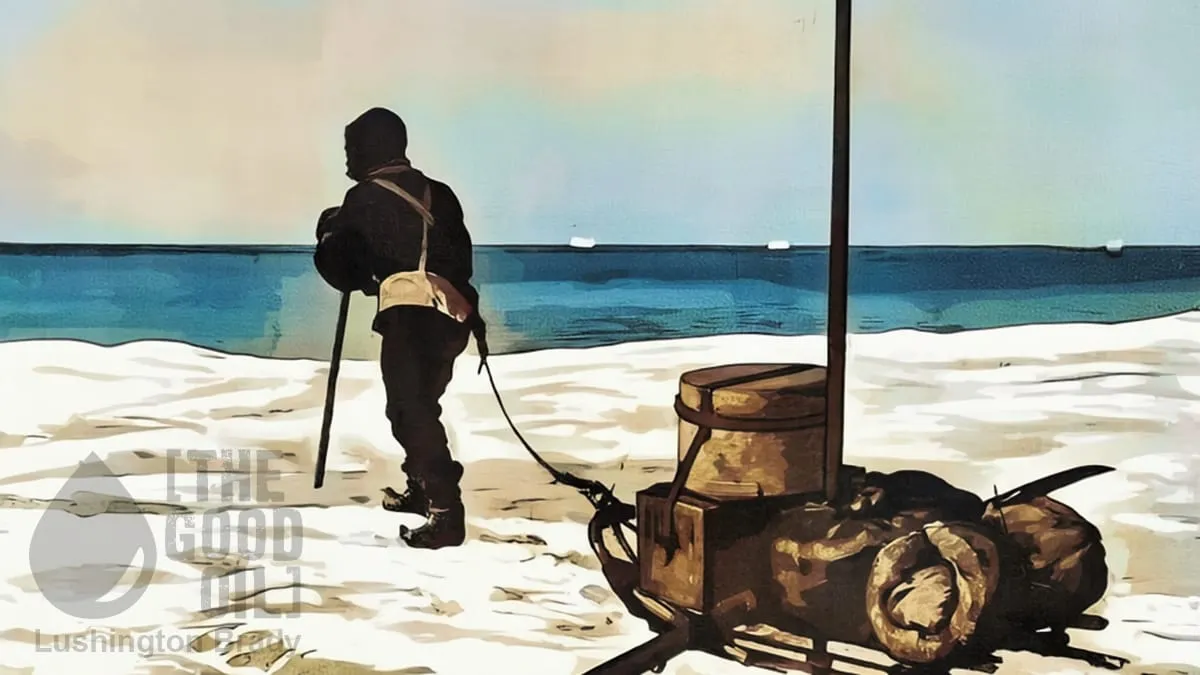
It makes you want to resurrect Sir Douglas Mawson, so he can dick-punch these big girl’s blouses into the middle of next year for being such pathetic babies. In 1912, Mawson hiked 480 km across Antarctica, 160 km of it alone. He watched one companion disappear into a crevasse and another die from what we now know was vitamin A poisoning – caused by having to kill and eat their beloved pack dogs. Mawson was also cripplingly sick from the same cause, as well as cold-related conditions, including the soles of his feet literally coming away. To top it all, when he finally made it back to base camp, he was just in time to see his ship disappearing over the horizon. He had to wait nearly another year to be rescued.
But, ooh, at least he didn’t have to see seals die.
Concerns about psychological safety go further than remote research stations.
A report released in February this year found psychosocial safety climate (PSC) risks in Australian universities are more than double those in the general workforce.
Probably because they’re a pack of insufferable wusses.
It’s no surprise that it’s the Department of Climate Change, Energy, the Environment and Water who are leading this lemming rush. These are the same people, remember, who got themselves worked up to a tizzy, including changing the locks in the building, over so-called ‘death threats’, which turned out to be someone discussing the upcoming kangaroo cull and showing off their renewed shooter’s licence at a Canberra drinkies session. As journalist Tim Blair said at the time, must these people exaggerate everything?
And we might all be justified in asking why our taxes are funding such a scared-cat culture of cotton-wool-wrapped infants.
University research, led by Adelaide University’s Maureen Dollard, simply confirmed what any half-sentient observer already knew. Academics who spend their days fretting about microaggressions and ‘feeling unsafe’ because someone used the wrong pronoun were never going to score well on psychological resilience. Dollard notes that remote work itself carries extra burdens, such as separation from family and supports, and that researchers can face traumatic episodes. Well, tell that to FIFO mining workers.
Bruce Smyth, emeritus professor at ANU and veteran of multiple human research ethics committees, explains the new orthodoxy with a straight face.
“If the benefit exceeds the risk, then we’ll look at that, but most importantly, it’s about identifying those risks and then explaining how you mitigate them. The biggest thing now is just being prepared to know what you’re walking into, which is why ethics committees have to approve these things in case there are blind spots.”
“We look very carefully at safety plans, at exit interviews and around the ability of people to have checks on their own wellbeing when they do any kind of research. Sometimes committees will ask for a fortnightly or monthly report to be sent in by a team member, just to keep an eye on things if they’re looking like there’s some sign of harm or danger. Society’s changed in many ways very rapidly. There are a lot more checks and balances.”
Yes, society has changed. Once, Antarctic explorers ate their dogs and walked until their feet fell off. Now, a potential die-off of seals 1,500 km south of Tasmania is enough to empty a research station because the staff might get a bit glum. Specialist cameras and sensors will keep the data flowing while the humans stay safely on the mainland, protected from the terrible sight of dead wildlife.
Mawson would throw them into the crevasse and spare himself the whining.