Ani O’Brien
Like good faith disagreements and principled people. Dislike disingenuousness and Foucault. Care especially about women’s rights, justice, and democracy.
If a trans group had taken Wellington Pride to the Human Rights Review Tribunal, it would have been front-page news. You can picture it right? The condemnations! The ‘not in my name’ declarations. Someone would have started a cancel campaign and Wellington Pride would have ceased to exist by lunch time. Instead, because it’s some uppity lesbians doing the suing, the media’s gone quiet. Almost complete silence on a topic that has generated enough intrigue for a 10-episode podcast and a TV docuseries. It turns out that in 2025 New Zealand, the old newsroom maxim ‘if it bleeds, it leads’ has been replaced by something far more ideological: ‘if it’s trans, it trends’.
This is the story New Zealand’s mainstream media chose not to report.
If you wanted a case study in how identity politics eats itself, look no further than the Human Rights Review Tribunal’s ongoing hearing between LAVA (Lesbian Action for Visibility Aotearoa) and Wellington Pride. What began as a simple request from a group of lesbians to host a stall at a Pride event has turned into a high-stakes legal fight over free speech, political belief, and whether ‘inclusion’ now means ‘only those who agree with us’.
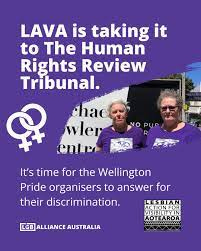
Back in 2021, LAVA applied for a stall at Out in the City, an event run by Wellington Pride, to showcase a map of lesbian history or, as they put it, “herstory”. Days before the event, their booking was abruptly cancelled. Wellington Pride said it was because LAVA’s views on sex and gender – specifically their belief that men cannot be women and that lesbianism is same-sex, not same-gender – would make trans attendees feel unsafe. LAVA argues this was discrimination, plain and simple. So naturally, they showed up anyway and set up outside, where they were met by an aggressive counter protest. Witnesses say Pride board members were among those intimidating and shouting the women down with chants like ‘f**k TERF c**ts’. For a movement that prides itself on tolerance and inclusion, the optics weren’t great, but then so much of the optics of trans activism are appalling.
A years long battle began and when mediation failed LAVA took the matter to the Human Rights Review Tribunal. Their claim rests on several key points: that Pride was acting as a service provider under the Human Rights Act; that LAVA’s beliefs about sex and gender are political opinions protected under section 21(1)(j); and that they were discriminated against based on sex, sexual orientation, and political belief. Pride, on the other hand, is arguing that their decision to exclude LAVA was made in good faith under section 73, which is a legal carve out that allows discrimination if it’s for the purpose of protecting or advancing a group that’s been discriminated against. In other words: yes, we excluded them, but we did it to keep trans people safe.
If that sounds like circular logic, that’s because it is. The case is now asking the tribunal to decide whether a Pride event can legally exclude lesbians for being the wrong kind of lesbians. And behind that question are much bigger ones: what does ‘sex’ mean in law? How far does the protection of ‘gender identity’ extend? And can political views that challenge gender ideology be treated as a protected belief? Or are they simply ‘hate speech’ dressed up as feminism?
The stakes are enormous. If LAVA wins, it will set a precedent that gender-critical beliefs are protected under New Zealand law, as they are in the UK after the Forstater case. If Pride wins, it effectively establishes that organisations can exclude groups or individuals with ‘unacceptable’ beliefs under the guise of inclusion: a precedent that should terrify anyone who believes in freedom of expression, regardless of where they stand on the trans debate. It will also establish that it is again unacceptable to be solely same-sex attracted or rather we will be forced into a ‘don’t ask, don’t tell’ situation where we can be gay, but only if we don’t talk about it or try to gather in groups of only other gay people.
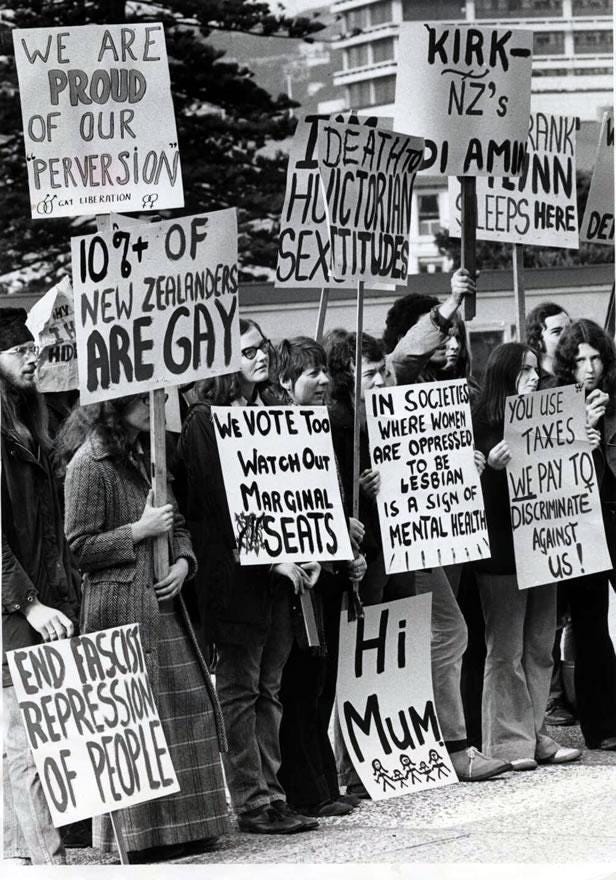
The hearing itself has been messy. Journalists have been ejected from the courtroom, expert witnesses have contradicted themselves, and mainstream media coverage has been all but entirely MIA.
Jenny Ruth’s Just the Business and Garwhoungle have been among the few independent outlets actually reporting on the inconsistencies and absurdities of the proceedings, while mainstream outlets have remained silent or parroted Pride’s framing.
I must give a shout out to Shayne Currie at the New Zealand Herald for this article on Jenny Ruth’s ejection. In it he even notes that while the intra-rainbow clash has been reported on a couple of times previously, there has been “little coverage of the actual hearing in recent weeks”.
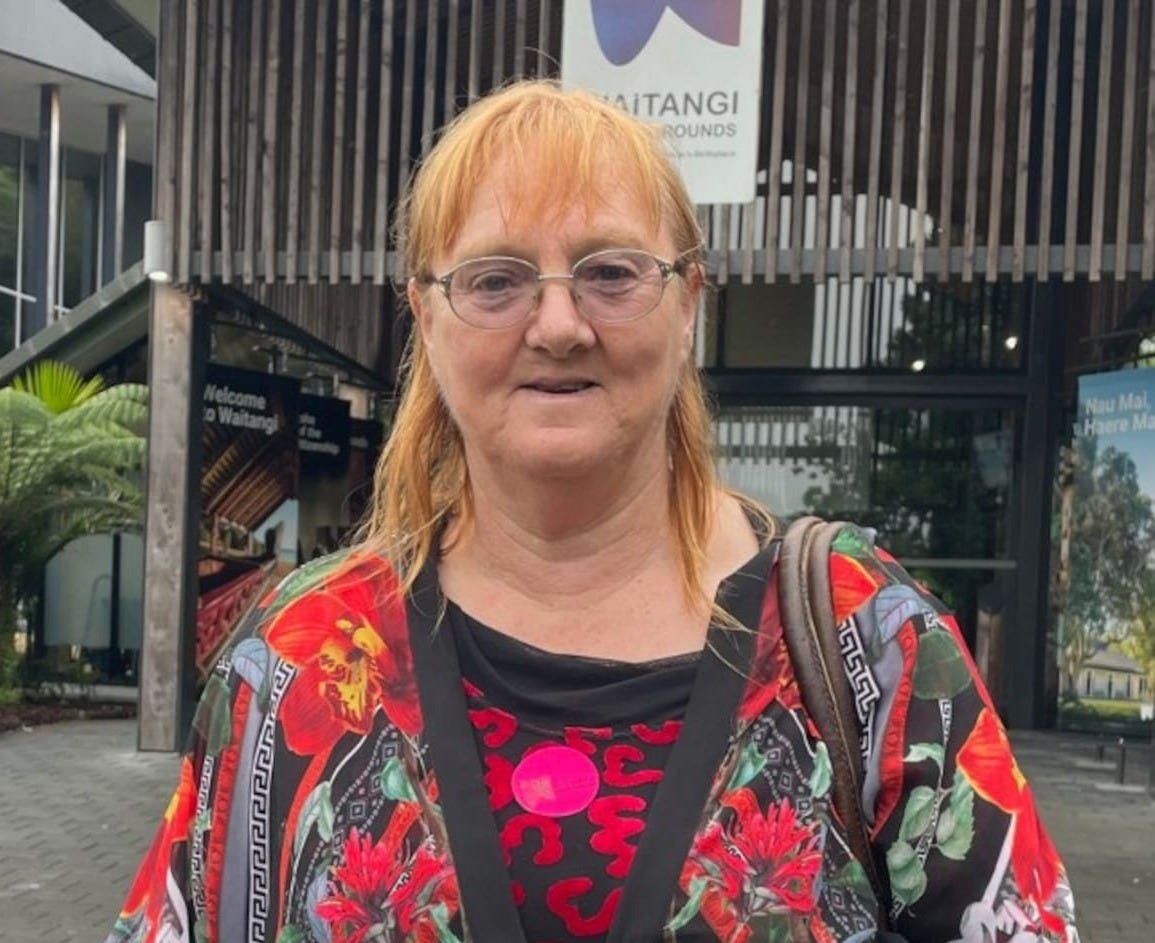
The hearings have produced several headline-worthy moments and clickbait opportunities. A particularly striking example came when a psychologist called by Pride refused to read out or even write down what she described as “slurs”, including the phrase “woman = adult human female”. Apparently, biology is now too offensive to utter in a courtroom. What are we to expect in a country where our most recent former prime minister just about had a panic attack on stage when asked to define a woman.
Pride’s expert witnesses have also been forced into uncomfortable territory. One was pressed on whether a trans-identifying male (for clarity: born male, but claims to be a woman) should be able to share hospital changing rooms with women. Another was asked how far gender-affirming language should go in cases involving sexual assault. These are not gotcha questions. They’re precisely the kind of edge cases that show why this debate matters. They are examples that have already come up overseas in legal cases and unfortunate incidents. If people can’t even define who counts as a woman, how can rights for women, or lesbians, mean anything?
LAVA’s legal team, meanwhile, have been methodically making the case that their exclusion was ideological, not protective. They’ve argued that Pride’s decision was not made in “good faith” but was instead a form of political gatekeeping: enforcing compliance with gender ideology under the banner of inclusion. Their point is simple: lesbian rights and trans rights are not identical and disagreement over biology shouldn’t result in blacklisting.
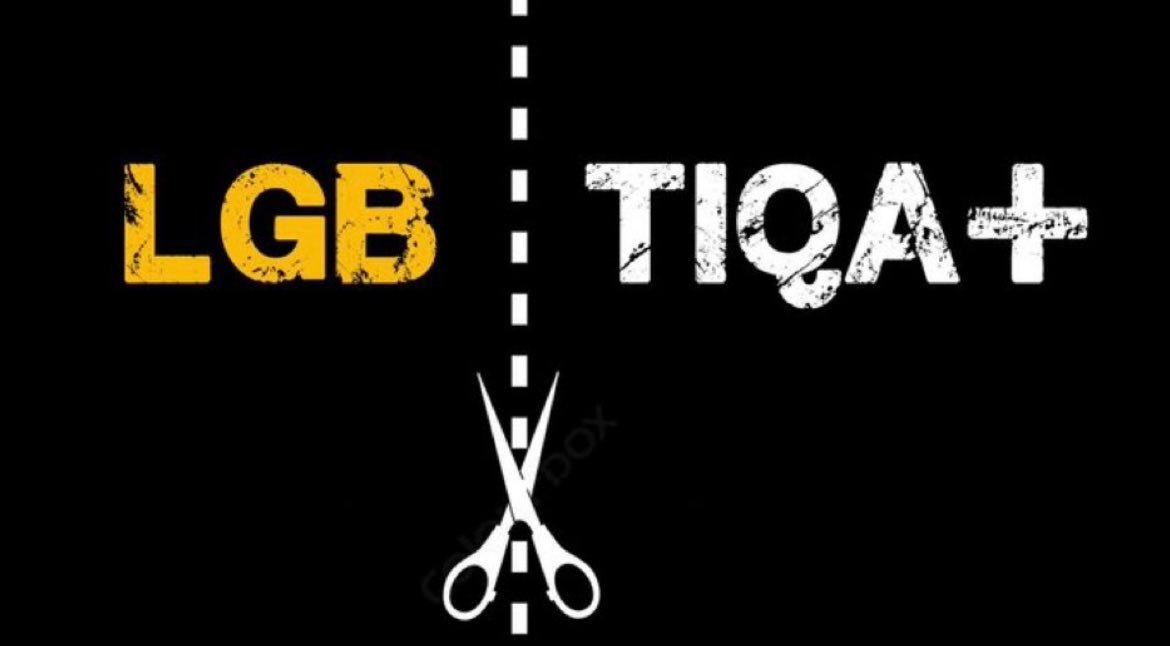
What’s most striking about this whole saga is that it’s a fight happening entirely within the so-called ‘rainbow community’. This isn’t conservatives versus progressives, or religious folk versus Pride. It’s lesbians being told they’re no longer welcome in the very movement they built.
The broader implications go far beyond this one dispute. The tribunal’s decision will likely clarify how far section 73 of the Human Rights Act can be stretched in the name of ‘inclusion’. It may redefine what counts as a protected political belief in New Zealand. And it could finally force our institutions to confront the uncomfortable truth that not every clash of rights can be resolved easily. Someone’s rights have to give way and when it comes to men who say they are women, it’s always actual women who are pushed aside.
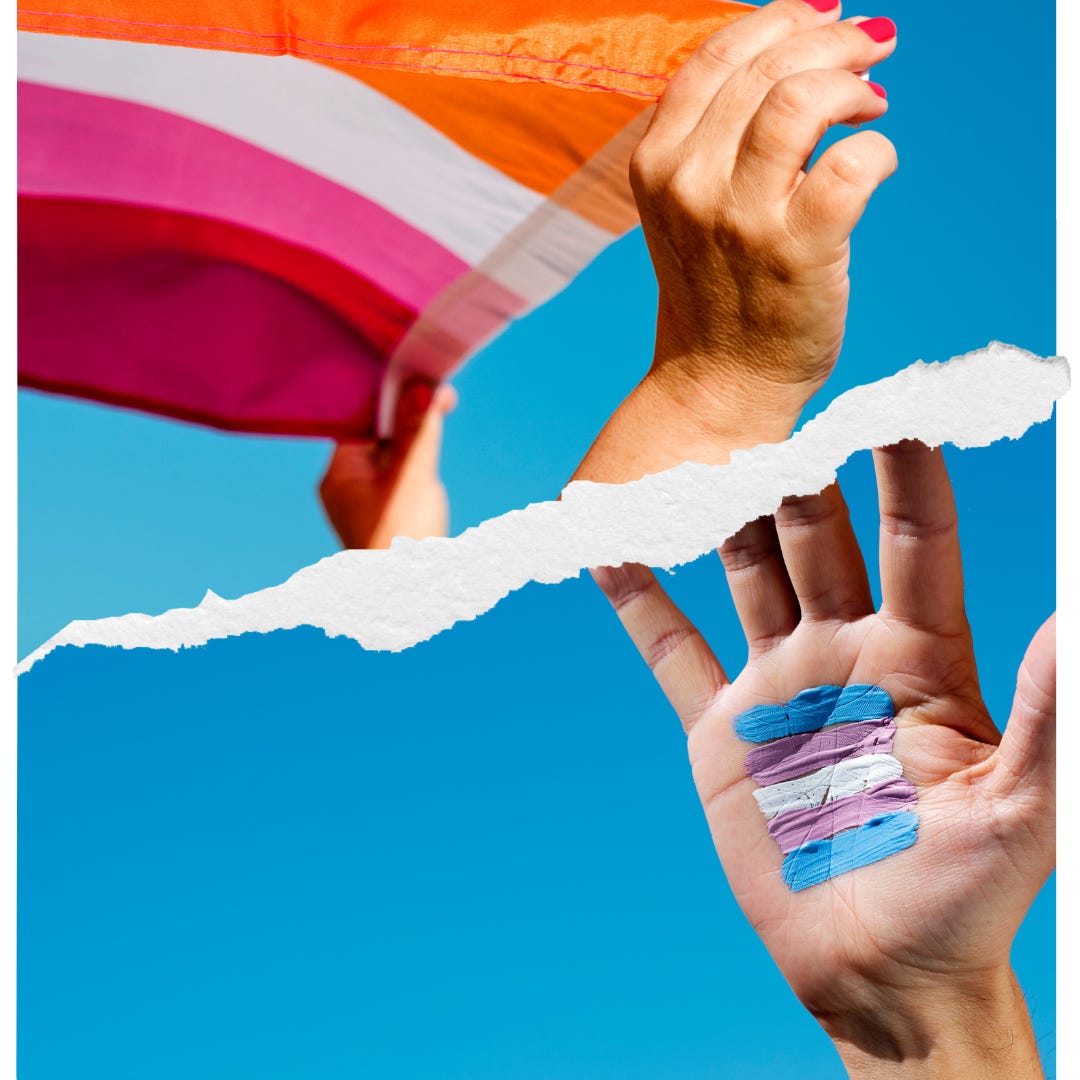
The case also highlights the state of our media. Reporters who question the prevailing orthodoxy are accused of bias, while those who parrot activist talking points are treated as objective. When a journalist was ejected from the hearing under a dubious contempt claim, there was no outcry from the media defending one of their own. Only The Free Speech Union has intervened to challenge the tribunal’s sweeping reporting restrictions, arguing that the public has a right to know what’s being argued in their name.
LAVA’s members are not well-funded lobbyists or corporate activists. They’re ordinary lesbians who want the right to speak about their own reality: that same-sex attraction is based on sex, not gender identity. For saying so, they’ve been cast as villains. Meanwhile, the organisation that claims to represent the alphabet soup community is spending public money to argue that lesbians are the problem.
Whatever the tribunal decides, this case will reverberate through New Zealand politics, media, and law for years. If we ever even hear about it in the media! If the Human Rights Review Tribunal rules that Pride acted lawfully, it will effectively endorse the idea that belief-based discrimination is acceptable when done by the ‘right’ side. If it rules in favour of LAVA, it will mark a rare pushback against ideological overreach and a reminder that tolerance cuts both ways.
Either way, this is a moment of reckoning for the rainbow movement. When your commitment to inclusion requires the exclusion of women, maybe it’s time to admit you’ve lost the plot.
Summing up will happen on 4 and 5 November at the Wellington District Court. LAVA is represented by Nicolette Levy KC and Wellington Pride by Victoria Casey KC.
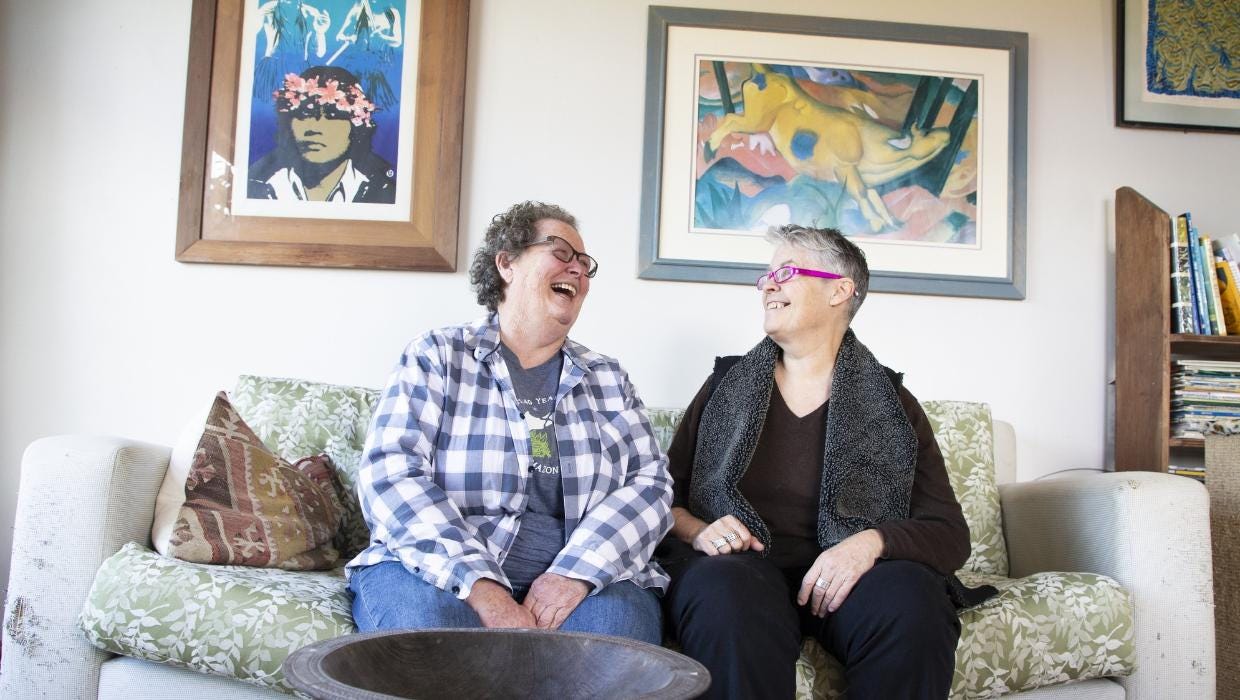
Solidarity with Marg Curnow and Hilary Oxley of LAVA – thank you for standing up for us all.

This article was originally published on Change My Mind.