Table of Contents
Geelong is my home town and it still holds a place in my heart even though I’m a stranger there these days. In the ’80s, it was a hell of a place to be, with an astonishing live-music scene and a local drama scene that nurtured the likes of Guy Pearce.
It was also home to a lot of bogans. It still is.
And where you’ve got bogans, you’ve got drugs. Lots of drugs. I vividly remember walking through the mall in Geelong in the ’80s and a young lad bailing me up: ‘Oi, mate, I’m new in town: ya know where I can score some speed?’ Why me, I’ll never know. Not having the faintest idea where to score speed, I pointed him in the direction of the local brothel down the road. He seemed pretty happy with that.
The very brothel, by the way, which made headlines in 2020 when desperate customers caused a traffic jam in the rush to beat Covid lockdowns. Geelong’s that kind of town. Think, Hamilton by the sea or Invercargill with slightly better weather.
Now, Geelong has another, ah, claim to fame…?
New research, led by Monash University, has revealed that the regional local government area (LGA) of Greater Geelong, near Melbourne, has emerged as an unexpected hotspot for GHB-related harms.
The city now accounts for one-third of all GHB ambulance attendances outside metropolitan Melbourne, surpassing inner-city areas traditionally associated with nightlife and club culture.
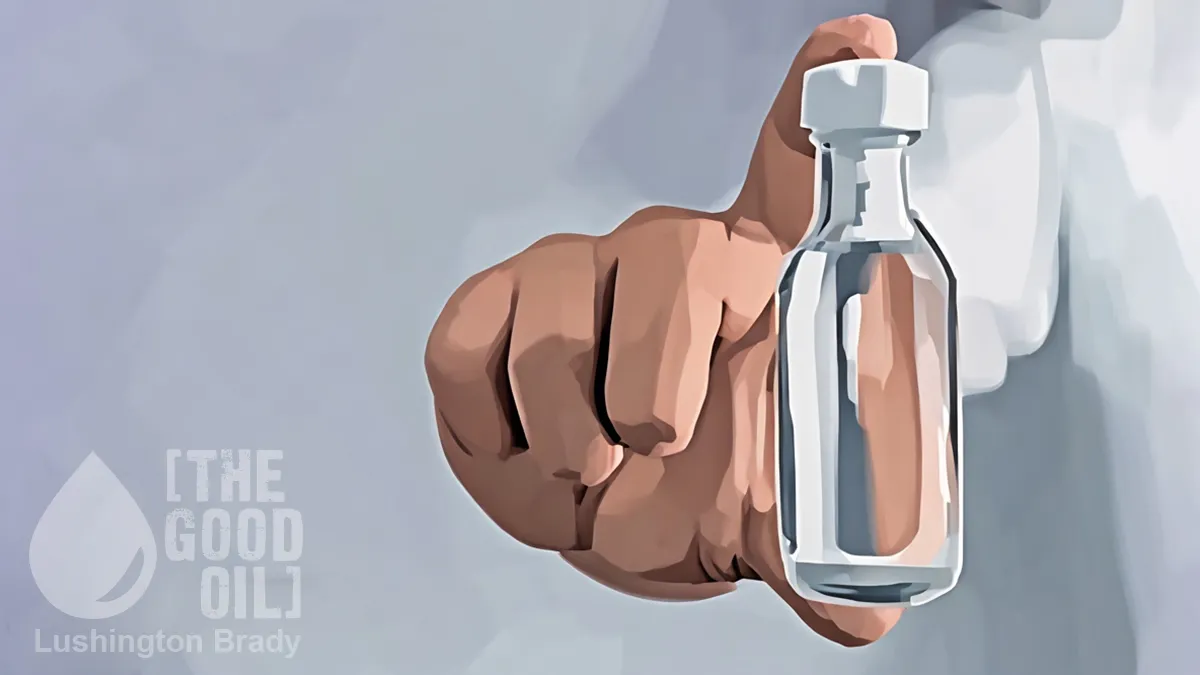
GHB is gamma-hydroxybutyrate, an anaesthetic developed in the ’60s that became a recreational drug in recent decades, dubbed ‘liquid ecstasy’. In recent years, though, the drug has moved out of the nightclub and festival scenes and into the lounges in towns like Geelong.
GHB-related harms have been increasing in many parts of the world, including Australia, and experts believe that the rise in polydrug (using multiple drugs at once) use involving GHB is partially responsible.
Overdose is common among people who use GHB because the difference in dose between achieving the “high” commonly associated with the drug, and a serious adverse effect, which can include overdose and even death, is very small, [Dr Rowan Ogeil, the paper’s senior author] says.
Previous research has found that 56 per cent of GHB-related ambulance attendances in Victoria between 2018 and 2021 involved overdose, with 45 per cent resulting in loss of consciousness.
When you live in Geelong, losing consciousness starts to look like a pretty good option.
Greater Geelong ranked fourth out of all LGAs in Victoria by total number of GHB-related ambulance attendances, recording a higher number of attendances than metropolitan LGAs Yarra and Stonnington, says lead author Naomi Beard. These areas are typically known for nightlife hubs in South Yarra, Richmond, Fitzroy and Collingwood.
Nightlife hubs? Hey, Geelong has Lambys! (Or ‘Muttons’, as we used to call it, owing to the prevalence of cougar females it attracted.)
The concentration of GHB harms in areas such as Geelong highlights how current public health approaches may not be reaching the populations most at risk, says Beard. The shift from traditional club settings to private homes, combined with limited regional healthcare resources, creates a particularly dangerous situation.
“Regional communities often have limited access to specialised alcohol, drug and other health and support services, meaning ambulance responses may be the only help available.”
What do they mean, limited access alcohol and drug support services? Geelong’s got Dan Murphy’s, the Booze Brothers (a massive drive-in bottle-o, conveniently around the corner from aforesaid brothel), BWS, the Premix King and at least 10 Liquorlands.
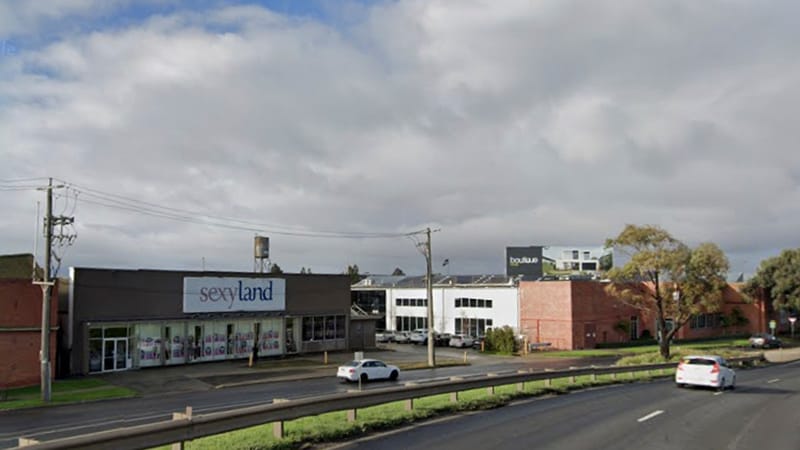
They do love their ‘-lands’ in Geelong: visitors driving into the city are greeted by a massive sign declaring ‘Sexyland’, a huge sex-shop warehouse where a glassworks used to be. The city’s post-industrial phase is certainly… interesting.