
This is edition 2026/007 of the Ten@10 newsletter.
Hi all,
This is the Ten@10, where I collate and summarise ten news items you generally won't see in the mainstream media.
Enjoy!
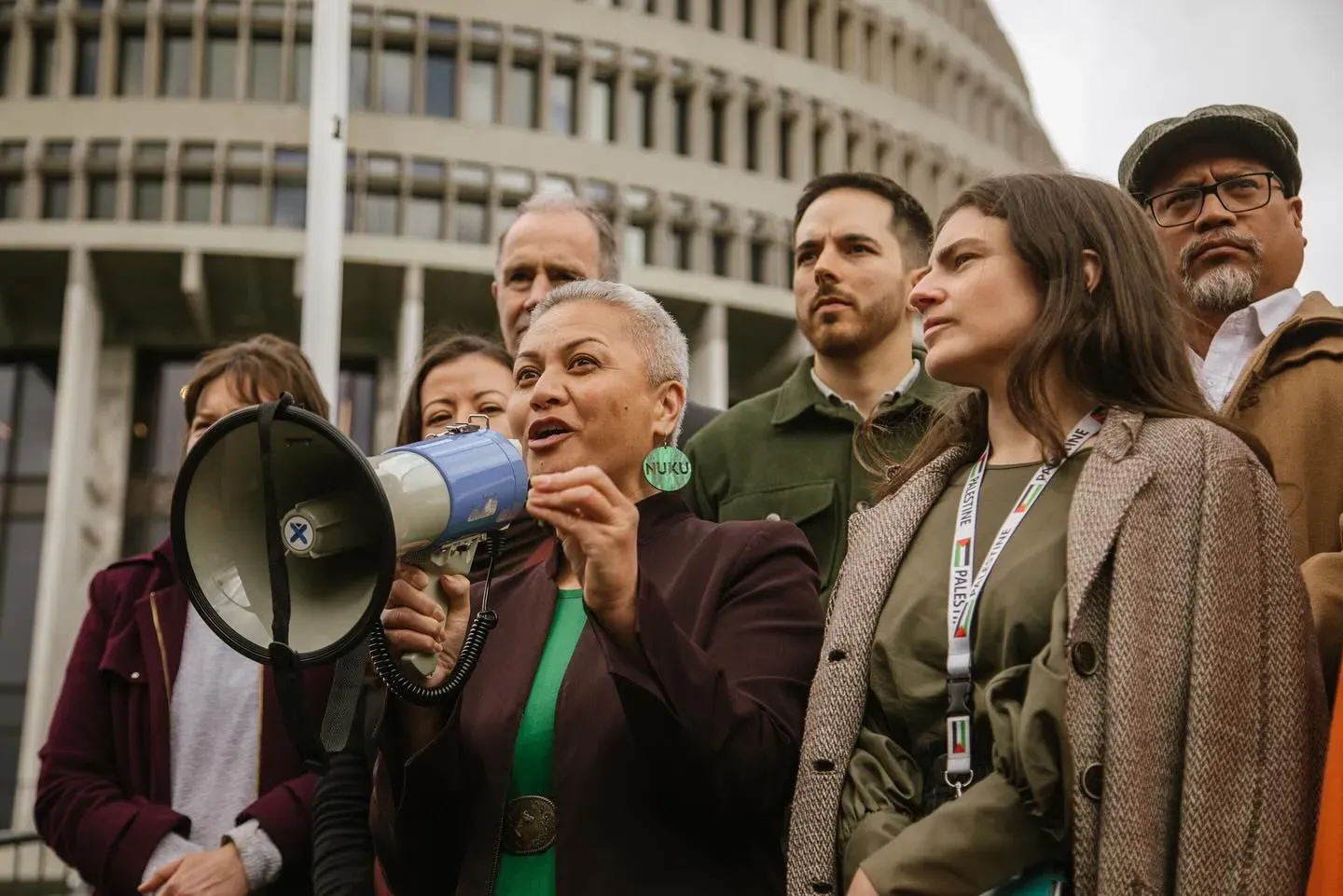
The Green Party’s culture war quagmire
Bryce Edwards
- 🟢 Greens in decline: Scandals, staff exits, falling polls, and excuse-making mark a party struggling despite weak opponents.
- 🦠 Deeper problem identified: The Greens are trapped in culture wars and identity politics, alienating voters and sidelining their original mission.
- 🌍 Environmental roots abandoned: Climate change and emissions have faded from Green priorities as media coverage and party focus sharply decline.
- 📉 Missed political opportunity: Despite government rollbacks on climate policy, the Greens fail to lead a strong environmental fight.
- 🧠 Abstract messaging falls flat: Reframing climate as a “first principle” sounds philosophical, not practical, to voters facing daily pressures.
- 🏳️🌈 Culture wars takeover: The party is increasingly defined by pronouns, Palestine, and identity issues rather than material concerns.
- 💥 Benjamin Doyle saga: A mishandled controversy reinforced perceptions of moralistic defensiveness and echo-chamber politics.
- 🎣 Winston Peters’ trap: The Greens repeatedly take bait on cultural provocations instead of pivoting to housing, jobs, or cost of living.
- 📱 Activist social media focus: Feeds dominated by social-justice clickbait make the party look more like a subculture than a governing force.
- ⏰ Out of step with voters: New Zealand has moved into a post-woke era focused on bread-and-butter issues the Greens neglect.
- 🧾 Missed populist path: Examples like Zohran Mamdani show economic populism can win without culture-war signalling.
- 💬 Talk vs action gap: Chlöe Swarbrick talks about material needs and redistribution, but the party keeps leading with identity issues.
- 🏙️ Middle-class enclave problem: Green support is concentrated among affluent urban voters, failing to connect with workers and the poor.
- 💡 Token outreach: Efforts like engaging West Coast miners are one-offs, not a genuine strategic shift.
- 🧑🏫 Academic language barrier: Jargon-heavy, university-centric politics alienate people worried about power bills and groceries.
- 📲 Social media slump: The Greens blame algorithms while continuing to push provocative content that fuels the problem.
- 🚶 “Touch grass” retreat: Moving away from digital strategy avoids confronting deeper messaging failures.
- ⚖️ Loss of pragmatism: James Shaw’s exit removed a moderating influence, leaving greater ideological rigidity.
- ❗ Positioning crisis: The Greens face irrelevance by abandoning environmental leadership, obsessing over culture wars, and blaming others.
- 🔥 Missed moment: There’s a clear opening to channel anger at inequality and cronyism into a populist Green movement — but they’re not taking it.