This is edition 2026/111 of the Ten@10 newsletter.
Hi all,
This is the Ten@10, where I collate and summarise ten news items you generally won't see in the mainstream media.
Enjoy!
1. Tall Poppy Economics: the politics of envy won't make New Zealand rich
Ano O'Brien
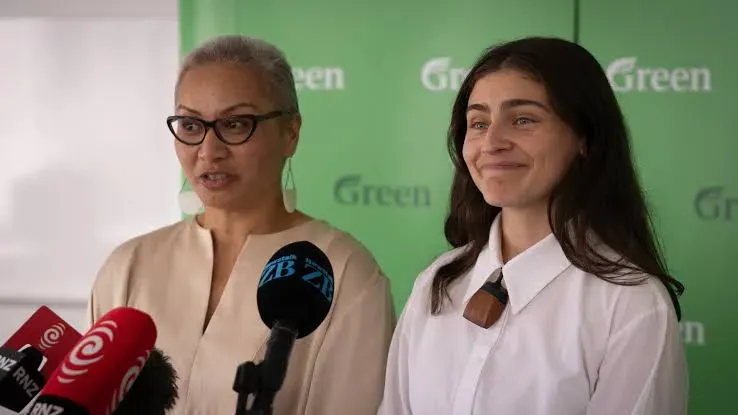
- 🧾 The Green Party’s 2026 tax policy is framed as fair and modest, targeting the “super-rich” and large corporations while offering tax cuts to most earners.
- 🎯 Critics argue the policy reflects a deeper ideological agenda that distrusts wealth creation, investment, and high earners.
- 💰 Key measures include a 2.5% wealth tax above $10M, a 33% inheritance tax over $1M, a 45% top income tax, higher corporate taxes, and new levies on banks and multinationals.
- 📉 The plan is expected to raise billions in revenue while funding a tax-free threshold on the first $10,000 of income.
- 🏗️ Wealth is described as productive assets (businesses, shares, property), not idle cash—meaning taxes on it may force asset sales or reduced investment.
- ⚠️ Annual wealth taxes on illiquid assets could pressure business owners to cut jobs, sell companies, or relocate capital offshore.
- 🧠 The critique argues the Greens treat the economy as a fixed pie to redistribute, rather than a dynamic system driven by risk-taking and investment.
- 📊 Capitalism, while imperfect, is credited with dramatically reducing absolute poverty and improving living standards globally.
- 📉 The Greens are accused of conflating relative poverty (inequality) with absolute poverty (basic deprivation).
- 🌍 Historical evidence suggests wealth creation—not redistribution—has been the primary driver of reducing poverty.
- ⚖️ The policy is framed as driven by resentment toward success, portraying wealthy individuals and corporations as villains.
- 🚨 Wealth taxes may trigger capital flight, reduced investment, and fewer new businesses or skilled migrants entering New Zealand.
- 🏦 Higher corporate and bank taxes are likely to be passed on to consumers, workers, and shareholders rather than absorbed by firms.
- 🏠 Property tax changes (removing interest deductibility, extending bright-line test) may reduce rental supply and increase rents.
- 🌐 Taxing multinational tech firms has merit but risks unintended consequences for a small, globally dependent economy.
- 🎁 The tax-free threshold is presented as a benefit but seen as minor compared to broader economic risks.
- 🧩 Multiple simultaneous tax increases may compound behavioural changes that reduce growth and investment.
- 👨👩👧 Inheritance taxes may undermine family motivations to build and pass on wealth across generations.
- 🏁 The critique concludes that prosperity depends on wealth creation first, and redistribution alone cannot generate economic growth.
- ⚡ Overall, the policy is portrayed as prioritising redistribution over growth, potentially shrinking the economic “pie” rather than expanding it.