This is edition 2026/115 of the Ten@10 newsletter.
Hi all,
This is the Ten@10, where I collate and summarise ten news items you generally won't see in the mainstream media.
Enjoy!
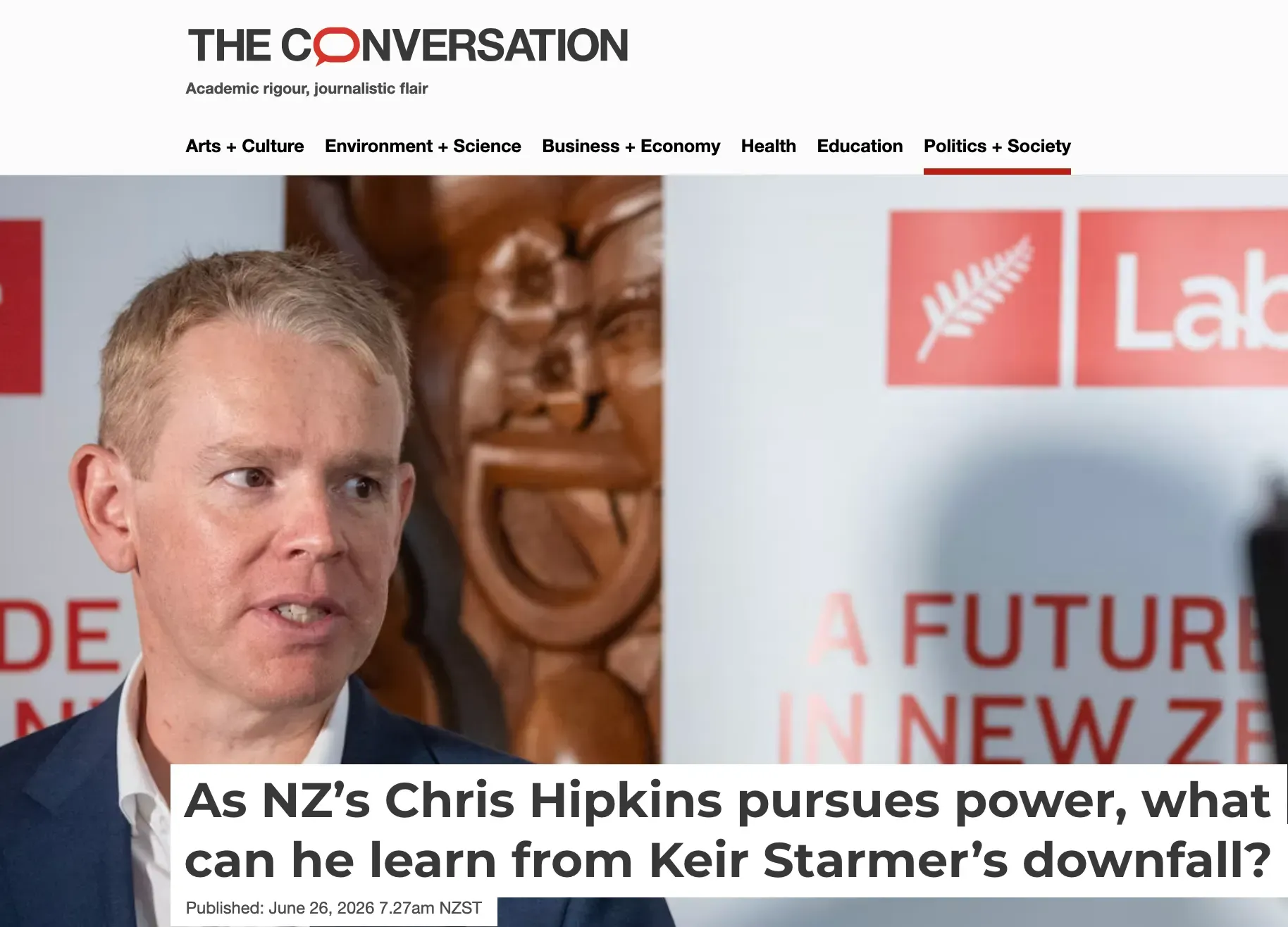
1. Could Hipkins Be the Next Starmer?
Grant Duncan — The Conversation
- 🇬🇧 Keir Starmer won a "landslide" 411-seat UK majority in 2024 on barely one-third of the popular vote and turnout of just 59.7% — meaning only about one in five eligible voters backed Labour.
- 📉 Within two years Labour’s support collapsed to 20% or lower as voters defected both right (over immigration) and left (over insufficient progressivism), united by dissatisfaction with Starmer himself.
- 🥀 Duncan diagnoses a wider crisis of social-democratic parties retreating to "thin labourism" — neither post-war social democracy nor Third Way Blairism, but a diluted mix of growth, competition, and cost-of-living tweaks.
- 🇳🇿 New Zealand still looks like a two-party contest, but combined support for Labour and National may be at a 30-year low.
- 🗳️ Hipkins could return to power in November 2026, but if he does he will face the same structural trap: an electorate fragmenting to the progressive left and the populist right while he competes with Luxon for the centre.
- 📉 Hipkins’ preferred-prime-minister ratings have often fallen below 20% and his approval has slipped into negative territory.
- ⚠️ Luxon is no breakout figure either — the contest features "two contestants with weak or declining leadership capital."
- 🎯 Labour’s proposed capital-gains tax to fund GP visits is cited as the kind of modest tax-and-transfer tweak that signals ideological thinness.
- 🔥 Winston Peters is already targeting traditional Labour territory — the West Coast and South Auckland Pacific communities — with anti-mainstream, immigration-sceptical messaging.
- 🎯 Takeaway: a Hipkins victory is possible, but the conditions that destroyed Starmer are already visible in New Zealand.
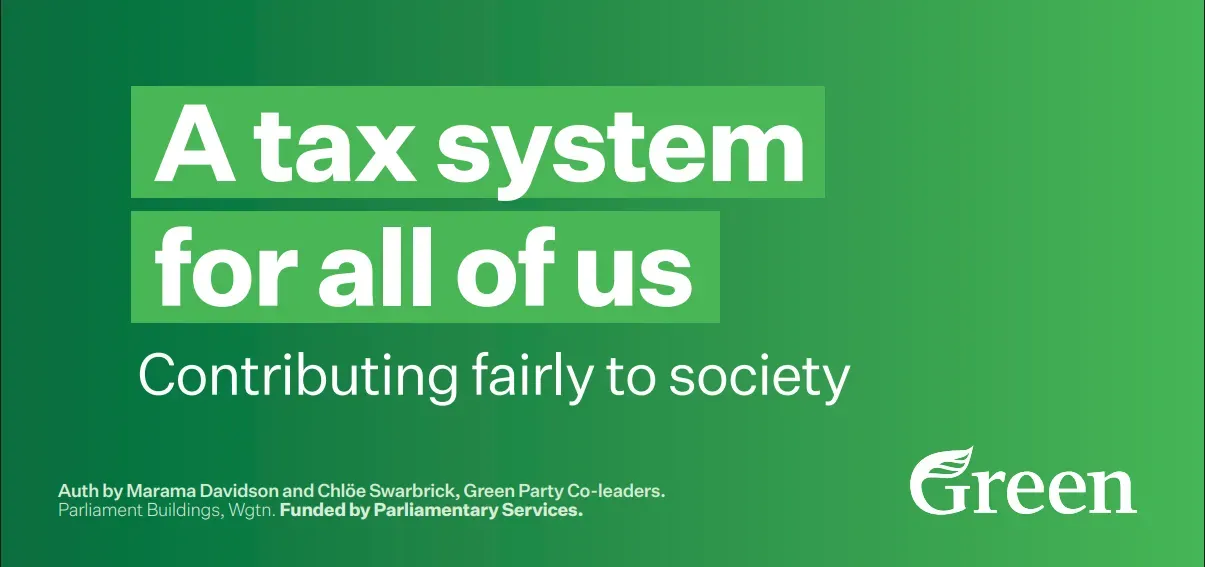
2. The 2026 Greens Tax Policy: The Good and the Bad
Natalia Albert — Substack
- 💰 The Greens’ 2026 tax policy has three themes and eight clauses, scored by the author as six solid and two questionable.
- 🏠 The headline shift: a 2.5% wealth tax now kicks in at **$10 million**, not the previous $2 million threshold, with the family home exempt.
- 🧑🌾 The author argues the higher threshold is strategic: it spares Waikato dairy farmers, Wellington couples with rentals, and provincial business owners who would have been hit at $2 million.
- 📜 A 33% Capital Acquisitions Tax (inheritance/gift tax) applies only above $1 million in lifetime receipts, with family homes and family farms carved out.
- 🏢 Company tax returns to 33%, but only for the largest 0.7% of firms — banks, supermarkets, and energy companies.
- 💵 A new 45% top income-tax rate applies above $160,000, cutting in $20,000 sooner than the current 39% rate.
- ✅ The author praises honest modelling: the Greens assume 28.5% of the super-rich tax will be lost to avoidance, an admission of political maturity.
- ❌ The bad: the framing conflates "the shitty rich-lister with the helipad" with "the couple with one rental and the family running a panel-beating shop."
- ❌ The 45% top rate is described as too sharp a jump; the author suggests 41% or 42% would be more defensible.
- 🎯 Takeaway: the Greens have produced their most electorally disciplined tax policy in a decade, but the anti-wealth framing may still alienate the asset-holding middle.

3. Who Really Wins From Compulsory KiwiSaver?
Bryce Edwards — The Democracy Project
- 🏦 National has proposed auto-enrolment for every newborn with a $1,500 "Baby Boost" and contribution increases to 6% each from workers and employers by 2032.
- 📊 That would direct a combined 12% of most employees’ pay into KiwiSaver or equivalent retirement schemes by law, in perpetuity.
- 📈 A Post poll found 71% public support — before voters had seen the detail.
- 🔄 National’s conversion is striking: it ran the 1975 "Dancing Cossacks" campaign against compulsory super, opposed Winston Peters’ 1997 compulsory-savings referendum, and spent years chipping away at KiwiSaver.
- 🚨 Richard Harman calls the move a "circuit breaker"; Chris Trotter detects "the unmistakable note of panic" and compares it to David Shearer’s KiwiBuild launch.
- 💡 The author argues compulsory KiwiSaver is less about retirement savings than about quietly shifting NZ Super from a universal public promise to an individual private account.
- 🗣️ Nicola Willis has hinted a "subtle combination" of KiwiSaver and Super will be needed, while industry figures say you don’t need both systems.
- ⚠️ Critics warn the real endgame is a future government raising the retirement age or means-testing the pension, using private savings as political cover.
- 💸 Fees managers will collect from forced savings are another winner, while low-income workers absorb a compulsory pay cut.
- 🎯 Takeaway: the policy has genuine positives, but its most important effect may be on the politics of NZ Super — advanced quietly through a popular savings initiative.
4. Pride Cometh Before the Fall: The Sporting Backlash
Ani O’Brien — Thought Crimes
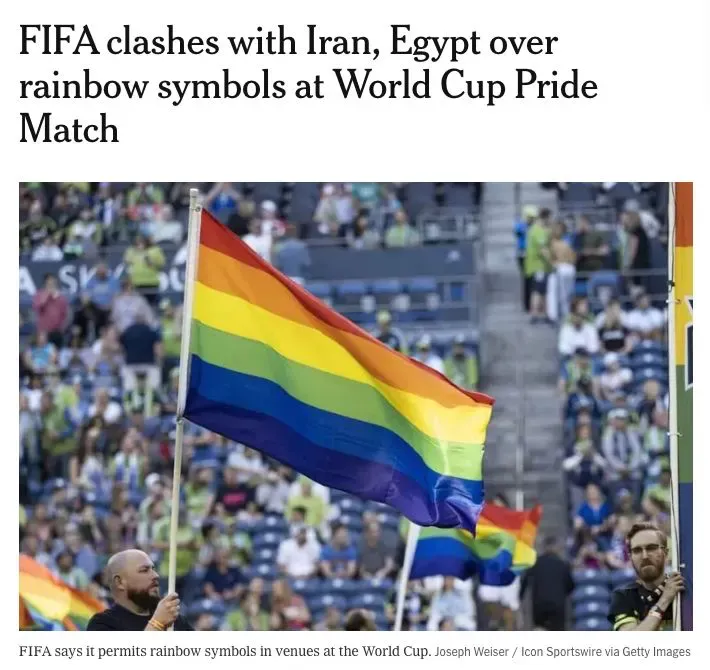
- 🏳️🌈 Ani O’Brien, who identifies as gay, argues it is time to end Pride campaigns in professional sport because they have shifted from tolerance to compelled political performance.
- 🎭 She says modern Pride initiatives have been "hijacked by the identitarians" who demand public affirmation rather than peaceful coexistence.
- ⚽ Sport historically brings together people who disagree; turning games into "compulsory political sermons" erodes that shared space.
- 🇮🇷 FIFA designated an Iran vs. Egypt fixture in Seattle as a Pride Match — even though both countries criminalise homosexuality, with Iran still executing gay people.
- 🤝 Both football federations objected on cultural, religious, and legal grounds; FIFA rejected the protests, treating the Pride branding as a local initiative.
- 🏉 The 2022 Manly Sea Eagles Pride jersey saw seven Pacific-Island players stood down after refusing to wear it; the coach admitted the club had failed to consult.
- ⚾ The York Revolution baseball team forfeited an entire game after players refused rainbow-sleeved uniforms rather than find a compromise.
- ⚾ San Francisco Giants pitchers wrote Bible verses on Pride caps; MLB warned them for uniform violations while previously allowing Black Lives Matter messaging.
- 📉 O’Brien’s core warning: activists are mistaking visibility for acceptance and burning through goodwill by demanding performance rather than respect.
- 🎯 Takeaway: the essay argues genuine inclusion looks like coexistence, not coerced branding.

5. OPPORTUNITY…
John McLean — John’s Substack
- 📈 A 1 News–Verian poll conducted 13–17 June put The Opportunity Party at 4.6%, trending toward the 5% MMP threshold.
- 👔 Leader Qiulae Wong got the job after applying through a national recruitment campaign, including a SEEK listing; deputy Daniel Eb calls himself a "social impact founder in the food & fibre sector."
- 🕵️ General manager Iain Lees-Galloway is a former Labour MP sacked by Jacinda Ardern in 2020 over an affair with a staffer.
- 🗳️ McLean argues Opportunity’s only realistic route to power is a Labour/Greens/Māori Party/Opportunity coalition, since NZ First has ruled out working with Labour.
- 🎙️ Wong attacked NZ First and Winston Peters in a 10 June RNZ interview with Guyon Espiner, reportedly asking "what has he really done for New Zealand."
- 🌱 The party’s palette is "teal": fiscal conservatism + environmental activism + social liberalism.
- 📜 It supports a Te Tiriti reinterpretation under which Māori did not cede sovereignty, opposes NZ First’s Definitions of Woman and Man Bill, favours no jail for offenders under 26, and backs unelected citizens’ assemblies.
- 💰 A 1.75% annual land tax and ETS changes to tax farmers for animal emissions are part of the platform.
- 💵 Les Mills founder Phillip Mills donated $100,000; he reportedly "hates NZ First" and wants a Labour-led government. Les Mills received $4.5 million in COVID subsidies from Labour.
- 🎯 Takeaway: McLean frames Opportunity as a media-favoured, elitist leftist construct whose coalition arithmetic points left regardless of its centrist branding.
6. Opportunity Knocks
Liam Hehir — The Blue Review
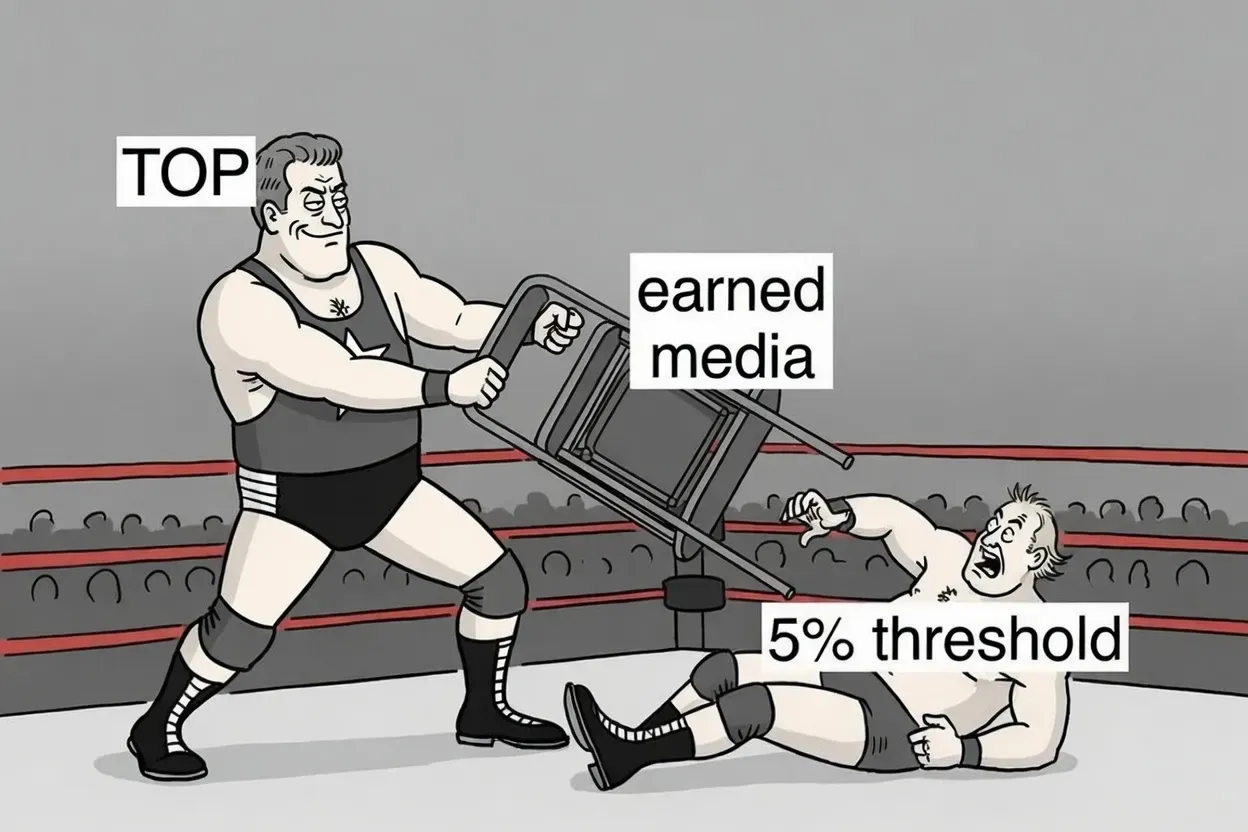
- 🤼 Hehir uses a professional-wrestling analogy: the recent rise of The Opportunity Party is a "push" — the promotion decides to give a wrestler favourable storylines and main-event bookings.
- 📰 Evidence of the push: RNZ sit-down with Guyon Espiner, a warm 1News profile by Mava Moayyed, and a long NZ Herald premium piece by Derek Cheng.
- 📊 This culminated in "surprise surge" stories after a single Verian poll put TOP at 4.6%.
- 📉 The author notes TOP was previously stuck in a 1–2% rut despite earlier media relaunches — "the press can no more conjure enthusiasm from nothing than a wrestling promotion can."
- 🆕 What may be different this time: electoral attrition and the party acting more like a normal, disciplined political operation rather than a novelty gimmick.
- ⚠️ Hehir discloses he would never vote for TOP and opposes its UBI, land-value tax, and devolutionary Treaty stance.
- 🧠 His central point: media amplification can put a party on the card, but the crowd still decides whether to cheer.
- 🎯 Takeaway: if TOP’s poll rise is real, it is at least partly organic; if it fades, the media push will look like another failed attempt to manufacture momentum.
7. Luxon’s Silence on Te Tiriti o’ Waitangi Is Undemocratic and Deafening
William Ludbrook — Brash & Mitchell
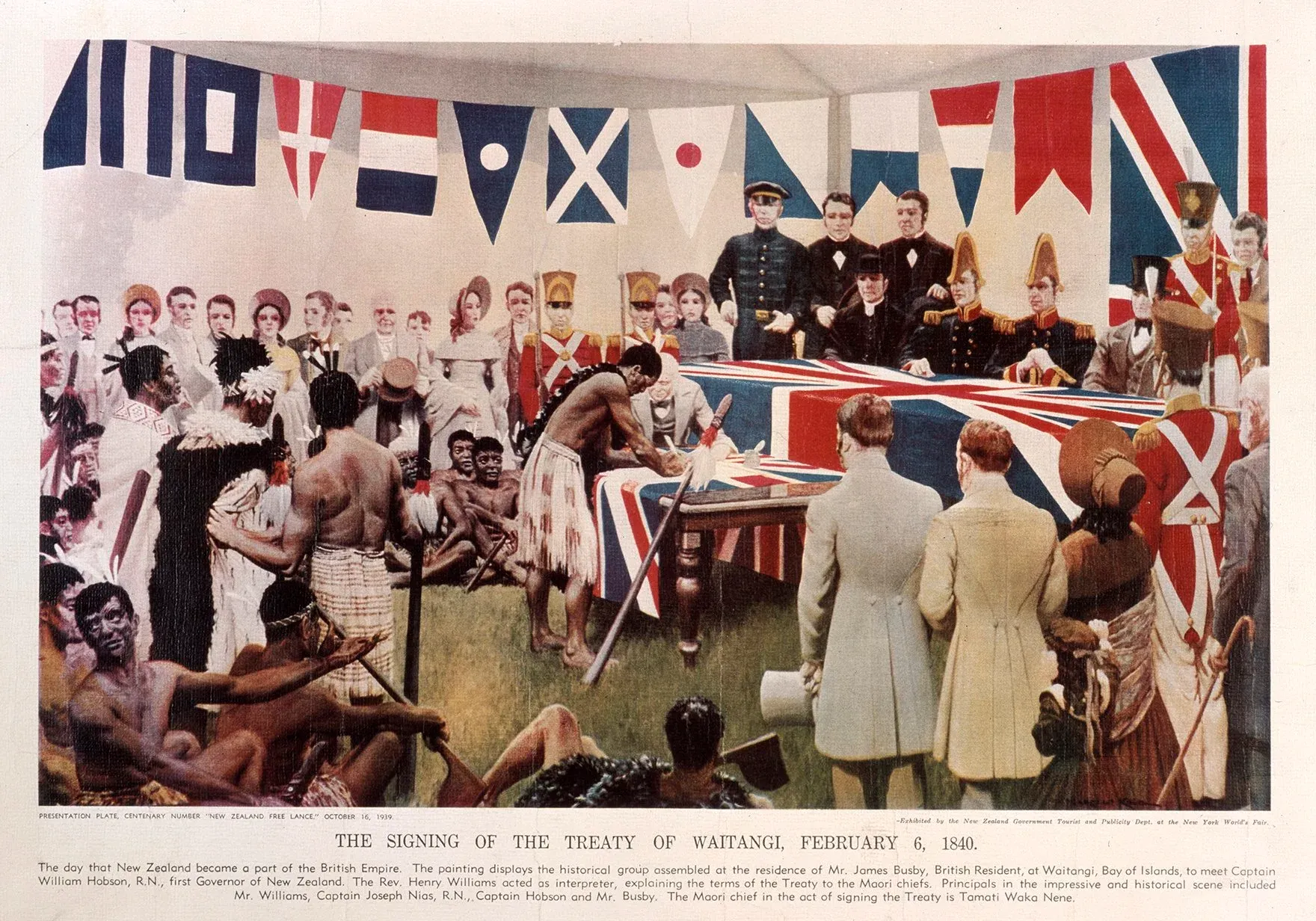
- 📝 William Ludbrook, great-great-grandson of Treaty translator Archdeacon Henry Williams, argues Prime Minister Luxon is failing to defend Crown sovereignty against expanding iwi influence.
- 🗣️ In April 2025 Luxon said he had been talking to iwi leaders for 12 months; Ludbrook counters that the issue is iwi leaders assuming a privileged role in shaping government policy.
- 🏛️ The National Iwi Chairs Forum objected to the government’s review of Treaty clauses and complained of insufficient consultation before Cabinet considered reforms.
- ⚖️ Ludbrook’s response: the government was elected by all New Zealanders and has a democratic mandate to review legislation; iwi veto power is not democracy.
- 📜 He states Henry Williams translated "sovereignty" as "Kawanatanga Katoa" — Governor for all / Government — and argues Māori ceded sovereignty in 1840.
- 🚫 He rejects the view that Māori retained independent sovereignty through tino rangatiratanga, calling modern interpretations deliberate revisionism.
- ⚠️ Ludbrook describes co-governance and race-based laws as a "toxic culture of division" and "apartheid, plain and simple."
- 📉 Past prime ministers from Bolger to Ardern are accused of extending Waitangi Tribunal powers and then "running away" from the consequences.
- ✅ His remedy: equality before the law, individual rights, and a shared national identity rather than "racial favouritism" or "endless guilt-tripping."
- 🎯 Takeaway: Ludbrook frames Luxon’s quiet engagement with iwi as a failure to defend one-law-for-all democracy.
8. TOP's Citizen's Income Policy
Lindsay Mitchell — Brash & Mitchell
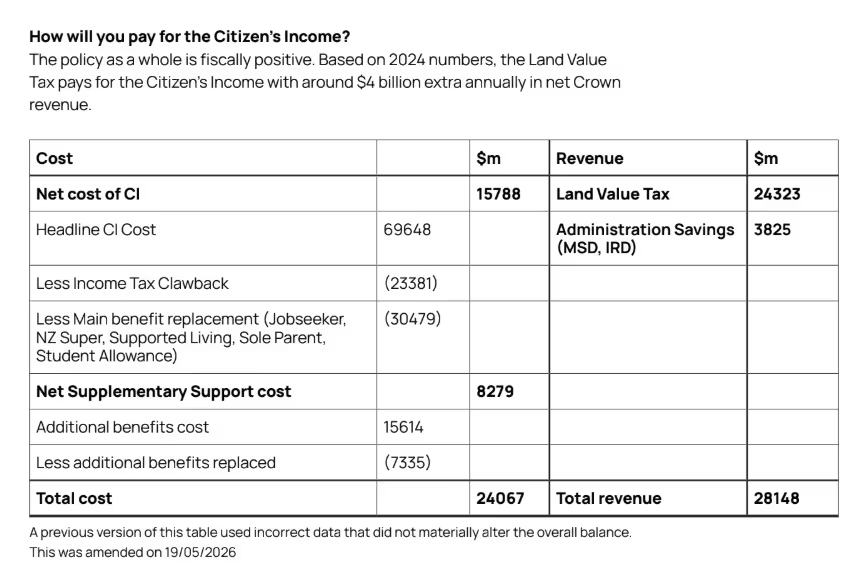
- 💰 Lindsay Mitchell argues The Opportunities Party under-costs its proposed Citizen’s Income and overstates administrative savings.
- 📊 TOP’s 2024 net CI costing was $15.788 billion; Mitchell’s updated estimate puts the net cost at **$20.438 billion**.
- 🧮 Headline cost: $19,400 per adult × 4.16 million adults = $80.7 billion, minus tax clawback and replaced benefits.
- ❌ RNZ’s Lisa Owen reportedly described the CI as tax-free; Mitchell says it is not — TOP would tax income up to $50,000 at 28%, clawing much of it back.
- 👶 Supplementary supports include Child Support Income payments, sole-parent allowance, disability allowance, superannuitant top-ups, and housing support — all abated from household income between $50,000 and $75,000.
- 📉 Mitchell’s audit of supplementary supports produces a running total around **$17.33 billion**, while TOP budgets only $15.614 billion — she is "dubious."
- ⚠️ The central contradiction: TOP claims to abolish means-testing and punitive effective marginal tax rates, but abatement **is** means-testing and creates the same work-disincentive problem.
- 🏛️ Mitchell argues the policy would still need a large bureaucracy to verify status, track income, and prevent fraud.
- 🎯 Takeaway: Mitchell treats TOP’s flagship welfare reform as mathematically optimistic and conceptually inconsistent with its own rhetoric.
9. Why We Cannot Talk About Climate Change
Richard Prebble — Brash & Mitchell
- 🌡️ Prebble, former Labour MP and ACT leader, says climate policy in New Zealand has become tribal — sensible debate is almost impossible.
- 📉 After writing about carbon pricing, he received 90+ responses: only one discussed carbon pricing; the rest either called climate change a hoax or accused him of understating the threat.
- 🌍 He argues the question of whether climate change is man-made or natural is largely irrelevant for NZ policy because trading partners accept the Paris framework and NZ cannot walk away.
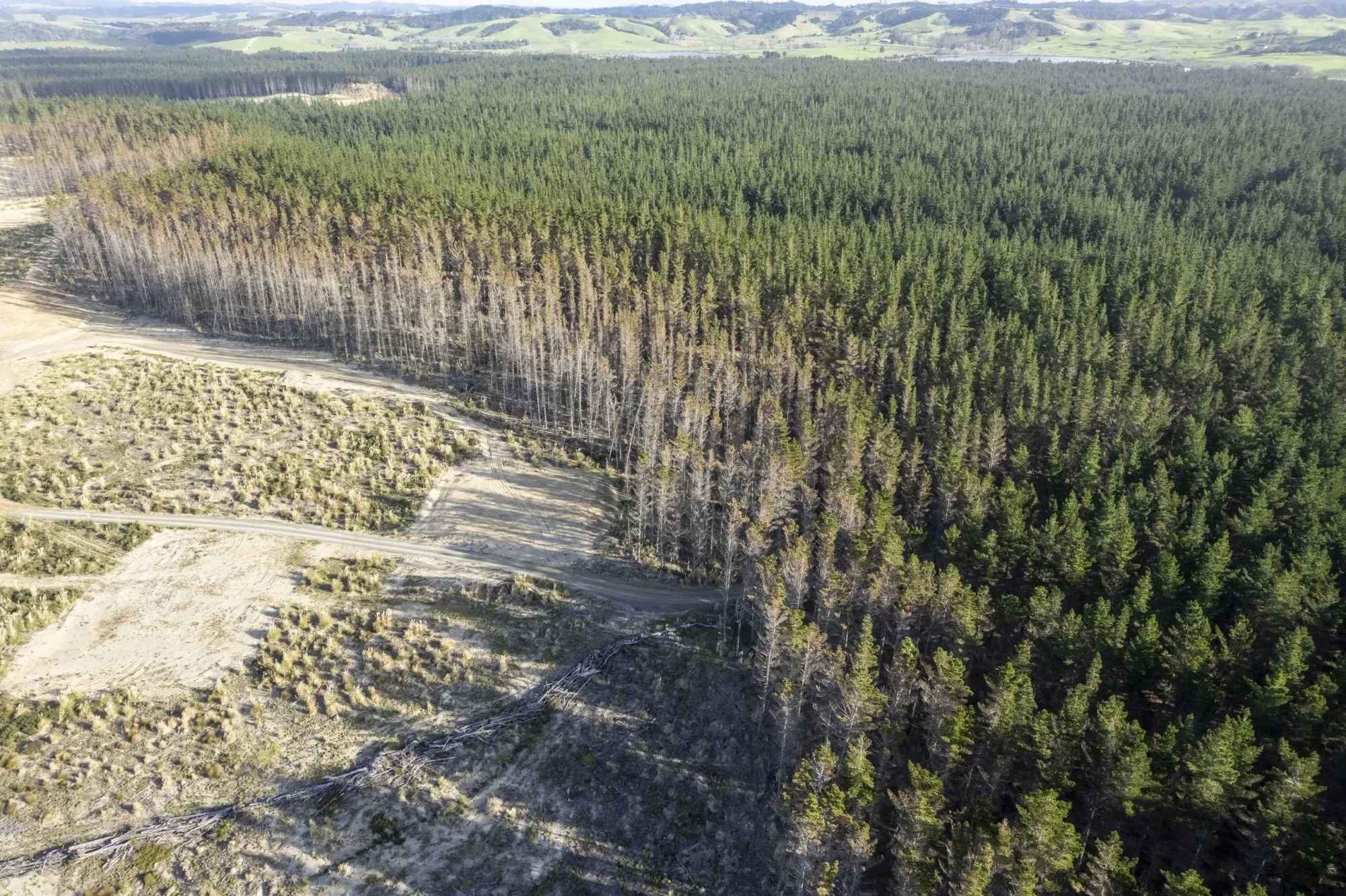
- 🔬 The science has moved on: methane breaks down after about 12 years and the resulting CO₂ is reabsorbed by the grass livestock eat, so stable agricultural methane does not accumulate warming like CO₂.
- 🐄 NZ methane emissions are already falling, mainly because sheep numbers have declined, and new feed additives and vaccines could deliver larger cuts.
- 💡 Prebble’s opportunity: make NZ the world’s leading centre for methane-reduction research and sell the technology globally.
- 🏛️ National, Labour, and the Greens insist NZ must meet Paris exactly as written; Treasury says this could cost billions; ACT wants to renegotiate or leave; NZ First says Paris doesn’t fit the Pacific.
- ✅ Prebble’s proposal: take Oxford analysis seriously and argue that reducing agricultural methane could contribute to cooling, which Paris should recognise.
- 🎯 Takeaway: Prebble says the science has moved on and it is time the policy did too — but expects the same polarised response.
10. A Good Bill and a Bad Detour
A Halfling’s View
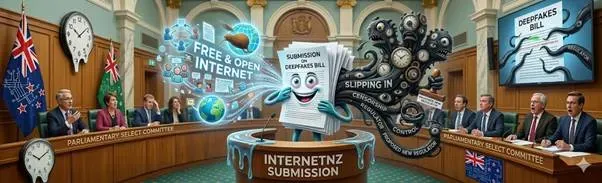
- 📷 Laura McClure’s member’s bill amends the Crimes Act and Harmful Digital Communications Act to extend the definition of an "intimate visual recording" to cover AI-generated or altered sexually explicit material made without consent.
- ✅ The author calls it a "clean, proportionate, conduct-focused fix" that regulates behaviour, not speech; satire, art, and legitimate generative uses are untouched.
- 🎙️ Coming from ACT, a party with no appetite for content regulation, the bill is framed as genuinely about conduct rather than speech control.
- 🔊 InternetNZ’s narrower suggestion to also capture audio deepfakes is endorsed as reasonable and technology-neutral.
- ⚠️ But InternetNZ also calls for a sweeping new independent digital regulator with "real-time audit powers," "dynamic compliance," and the ability to impose industry standards.
- ❌ The author argues that proposal is vague, procedurally improper, and an attempt to win by adjacency what could not be won on the merits.
- 🗳️ New Zealand has already rejected similar regulator models twice: the DIA Safer Online Services review was shelved in 2024, and the Ministry for Culture and Heritage media reform direction was reversed.
- 🧩 The remit would cover violent extremism, CSAM, misinformation, hate speech, self-harm, and cyberbullying — a sprawling list mixing serious crime with contested lawful speech categories.
- 🏛️ The author says a generational decision about state power over online speech needs its own legislation, RIA, consultation, and mandate — not a rider on a deepfake bill.
- 🎯 Takeaway: support the deepfake amendment, but reject the regulator detour.
What our members are saying about Ten@10
Elizabeth
These articles are compulsory reading for me and the perfect addition to the usual list of Goodoil items!
Lynne
Absolutely brilliant to receive these current and thought provoking articles.
Jonathan
Just wanted to let you know that I’m loving this new 10@10. Much appreciated from someone who chooses to read/watch almost NO mainstream media.
Murray
Cam, relish your output as the newspaper in Christchurch is so intent on non news. Thankyou
Fred
Thanks for Ten @ Ten, really enjoy reading it.Keep it up. All the best, keep healthy.
Jocko
Wonderful info not otherwise available in NZ. More power to your elbow! Thanks.