This is edition 2026/123 of the Ten@10 newsletter.
Hi all,
This is the Ten@10, where I collate and summarise ten news items you generally won't see in the mainstream media.
Enjoy!

1. The Seventeen-Year Bus Ticket
Bryce Edwards — The Democracy Project
- 🚌 New Zealand’s National Ticketing Solution, branded “Motu Move,” was first approved in 2009 with the simple goal of extending Auckland’s HOP card nationally.
- 💰 By 2022 the plan had mutated: US contractor Cubic won a $474 million supply-and-operate contract, with the full programme budgeted at $1.36 billion.
- 🏛️ Regional squabbling killed the cheap HOP-purchase option in 2015; NZTA then decided to build a bespoke system because New Zealand’s fare rules were allegedly “too special” for off-the-shelf technology.
- 🛫 NZTA justified a $22,691 staff trip to Cubic’s facility in Hyderabad this year because the ticketing solution “does not exist anywhere else in the world.”
- 💡 Technical commentator Peter L. Collins: “Software does not wear out.” Even taking official figures at face value, New Zealand is spending $1.4 billion to save roughly $26 million a year.
- 🗣️ Transport Minister Chris Bishop told a select committee the project did not have a money problem; the problems were “technology, delivery and governance,” especially an arrangement spanning thirteen public transport authorities.
- 🗣️ Regional council chair Daran Ponter: “We have all run out of patience… Do you think Johnny on the number 54 bus gives a s*** about that?”
- ⚠️ The Post editorial: large public projects need tighter discipline before costs spiral, and when reliable technology already exists, New Zealand should be wary of inventing its own.
- 🎯 Takeaway: the Motu Move saga is a case study in how bureaucratic hubris and fragmented governance turn a simple idea into a seventeen-year, billion-dollar deliverable whose main output is “confidence.”
2. Chris Hipkins Is New Zealand’s Teflon Politician
Ani O’Brien — Thought Crimes
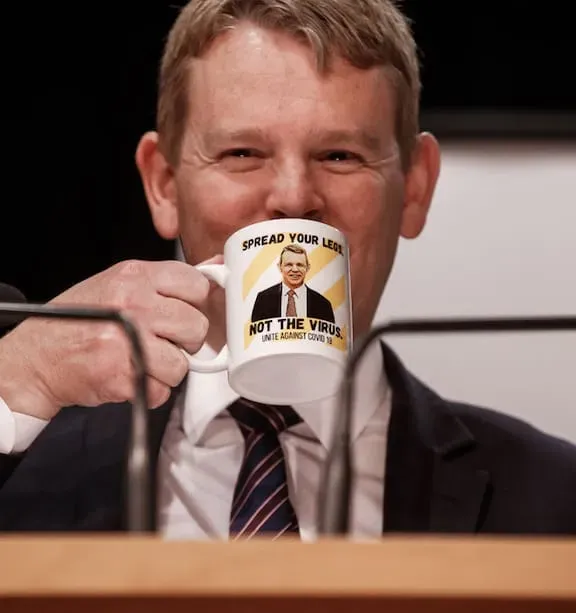
- 🧲 O’Brien argues Hipkins has become “New Zealand’s Teflon politician” not because scandals don’t stick, but because accountability never seems to.
- 📜 The Royal Commission reported that advice warning against two-dose Pfizer mandates for 12–17-year-olds had not reached ministers; Hipkins leaned on the finding to blame officials.
- 📄 Documents later showed the advice was included in a Cabinet paper issued in Hipkins’ own name in March 2022 — yet the two-dose mandate for teenagers remained in place.
- 📅 The concerns were not new: OIA releases show officials discussing myocarditis risk from mRNA vaccination as early as July 2021, with the issue appearing repeatedly through late 2021.
- 🗣️ As the “ignorance” defence collapsed, Hipkins shifted to saying he could not remember every piece of advice across three years.
- 🏠 O’Brien cites the MIQ ordeal of journalist Charlotte Bellis, stranded in Afghanistan while pregnant, and Hipkins’ refusal to apologise until media pressure forced him.
- 💉 She also notes the death of Dunedin plumber Rory Nairn from vaccine-induced myocarditis, after which Hipkins continued reassuring the public that COVID risk “far outweighs” myocarditis risk.
- ⚠️ The Herald understands a complaint has been laid over whether the House was misled, but Hipkins has been advised he does not need to correct anything because he was discussing the commission’s report rather than whether ministers received the advice.
- 🎯 Takeaway: the article argues Hipkins has built a career on deflecting responsibility, and that the paper trail is now catching up with the narrative.
3. Daniel in the Public Square
Rodney Hide — Brash & Mitchell
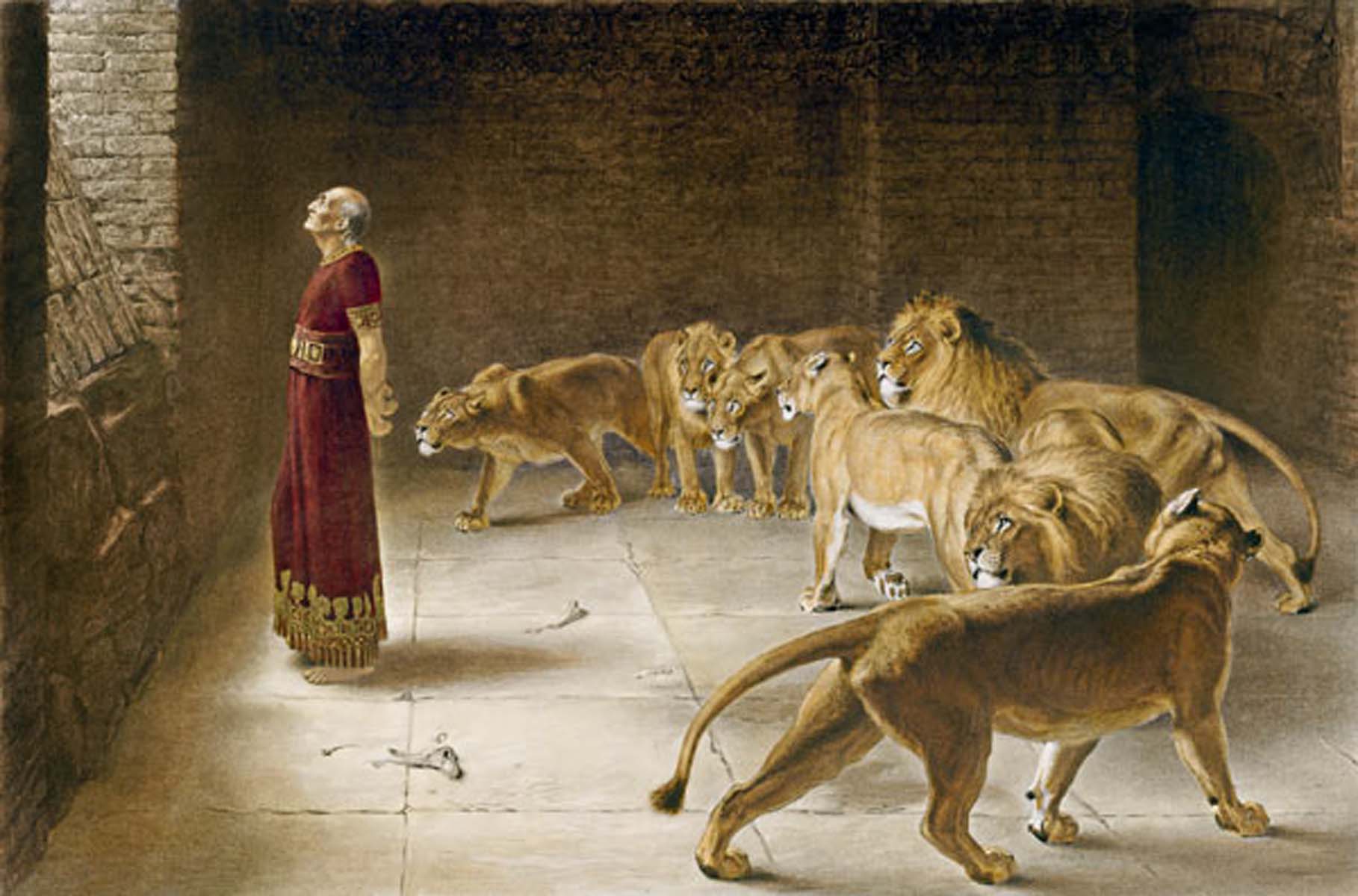
- 🙏 Hide uses the biblical story of Daniel in Babylon to frame the dilemma facing Christians as Māori spiritualism is imported into schools, official ceremonies and the public square.
- ⛪ By 1852 perhaps 90% of Māori had converted to Christianity; the Treaty era reflected a shared Christian worldview despite deep cultural differences.
- 🕊️ Today’s secularism has created a “spiritual vacuum” that Māori concepts are filling under the banner of biculturalism, Hide argues.
- 👑 “Mana” is described as inherited or achieved spiritual prestige that can place leaders beyond casual challenge, conflicting with Christian and parliamentary assumptions of accountable authority.
- ⚖️ “Utu” — restoring balance through equivalent return — is contrasted with Christian grace, repentance and forgiveness.
- 🏫 “Karakia” in schools are presented as cultural mindfulness, but Hide says they invoke specific atua tied to Ranginui and Papatūānuku, directly engaging the First and Second Commandments for Christian children.
- 🗣️ Hide: “The state has no business compelling children into spiritual practices that violate their family’s faith.”
- 🎯 Takeaway: the essay calls for “principled pluralism” — cultural appreciation without spiritual compulsion — and urges Christians to refuse to bow, as Daniel did.
4. Dame Jacinda: Hit or Myth?
Chris McVeigh — Brash & Mitchell
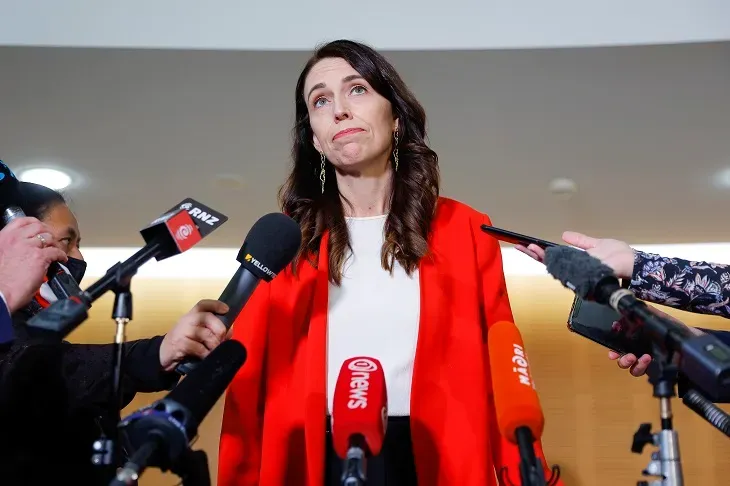
- 🎓 McVeigh compares Jacinda Ardern’s Oxford honorary degree to awarding a Michelin star to a KFC outlet — “a little unfair… but they’d be unlikely to trouble the gastronomer’s inspectorate.”
- 🎬 He notes the “almost slavish devotion” shown by universities, media, her book and her movie, plus speaking engagements peddling “her ‘new kind of power.’”
- 🧕 Her post-Christchurch hijab appearance is described not as solidarity but as “a shrewd attempt to make political capital,” which the public “lapped up.”
- 🇺🇸 A friend in the US reports Americans now know New Zealand for two things: Lord of the Rings and Jacinda Ardern — “both… the product of well lubricated publicity machines.”
- 🏠 McVeigh highlights that Ardern is the only former NZ Prime Minister who chooses to live overseas, “the only eloquent testimony to her fall from grace.”
- 🤔 He asks how many of history’s celebrated figures were similarly the product of “carefully staged campaigns of unstinting praise and lavish adulation.”
- 🎯 Takeaway: the piece treats Ardern’s international reputation as a manufactured legend sustained by distance and uncritical foreign media.

5. How Many Fingers, Winston?
Chris Trotter — Writing from Left Field
- 📚 Trotter revisits the torture scene in Orwell’s Nineteen Eighty-Four where O’Brien demands Winston see five fingers when only four are held up.
- 🗣️ “Requiring people to see things that aren’t there is neither reasonable nor progressive.”
- 🌍 Trotter argues ordinary citizens in Britain, Canada and Australia are increasingly commanded to accept that “2+2=5, or 3, or all of them at once.”
- ⚠️ The visible free preview ends there; the rest is paywalled.
- 🎯 Takeaway: the column uses Orwell to protest coerced belief and the abandonment of observable reality in contemporary politics.
6. Jagose Stays Close
John McLean — John’s Substack
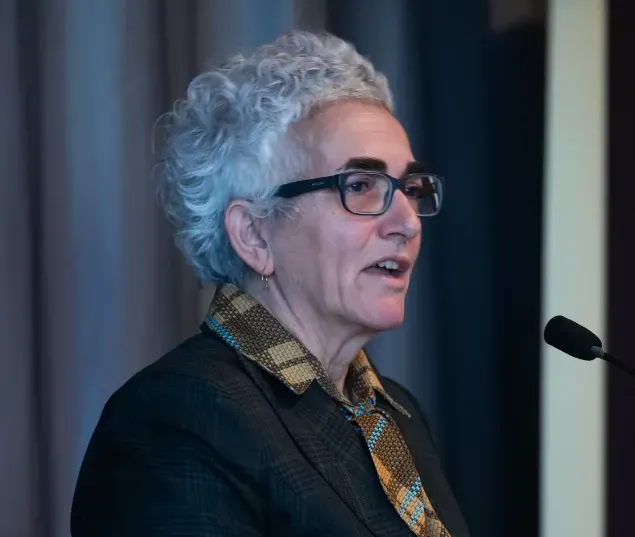
- ⚖️ McLean reports that former Solicitor-General Una Jagose used a New Zealand Law Association breakfast to warn that Parliament is “sleepwalking” into a collapse of the separation of powers.
- 🗣️ Jagose: “Can Parliament conclusively define, without Māori, the meaning of that Treaty… that occupies the foundational place in our constitution?… Do you see limits to constitutional legitimacy there? Because I do.”
- 🏛️ McLean says Jagose’s real agenda is for courts to use Tikanga to override Parliament, and to enshrine the Waitangi Tribunal as a supreme constitutional court and unelected legislature.
- 📊 He cites the Helen Clark Foundation finding that only 43% of New Zealanders believe courts make fair, impartial decisions, falling to 31% for those struggling financially.
- 📻 In a December 2024 Platform interview, Jagose would not answer whether she is a Critical Race Theorist; McLean says her silence “tells us the answer.”
- ⚖️ McLean links Jagose to the Alan Hall miscarriage of justice, alleging she knew by 2018 that Hall had been deliberately and falsely jailed and “tried to bury” the fact.
- 🎯 Takeaway: the post portrays Jagose as an activist lawyer auditioning for judicial promotion through judicial supremacy dressed up as constitutional defence.
7. Labour’s Tinpot Free-Speech Crackdown
Gareth Roberts — The Spectator Australia
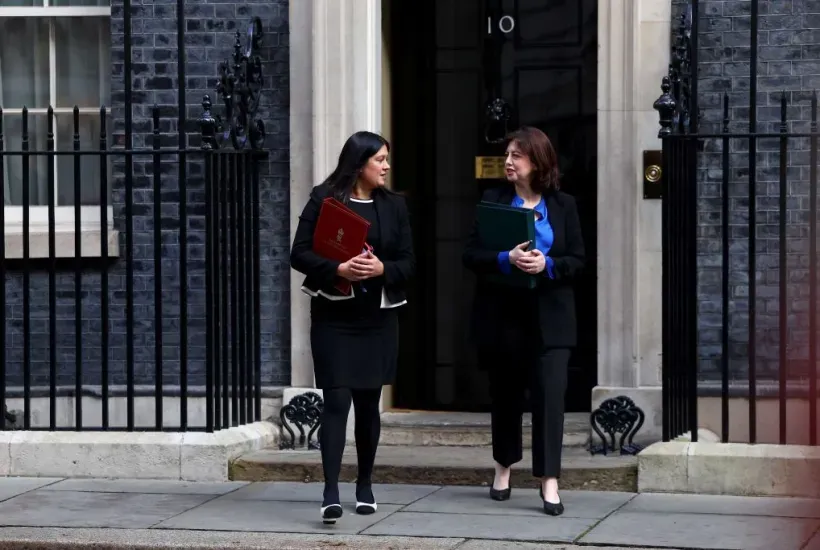
- 🇬🇧 Culture Secretary Lisa Nandy has quit X and taken her department with her, saying the platform is rife with “misinformation” and “isn’t healthy for our democracy.”
- 📺 Deputy Leader Lucy Powell wants “purdah”-style restrictions on social media during elections.
- 📰 Nandy’s “big idea” is to require platforms to give “prominence” to state-sanctioned “trusted” news outlets.
- 🗣️ Roberts: “It turns out that the hard-won freedoms of the British people are to be ended not by legions of brutes rolling down Regent Street in tanks, but by a gaggle of gormless supply teachers.”
- 🚫 He notes Nandy backed housing rapists in women’s prisons and Powell dismissed concern about Pakistani rape gangs as “getting a little dog whistle out.”
- 🛡️ Roberts argues state control of information on this scale is impossible without CCP-style enforcement, so “trying to stop water passing through a colander by shouting at it.”
- 🎯 Takeaway: the piece frames Labour’s speech and platform plans as a squalid, failing-government attempt to silence critics rather than solve the country’s problems.
8. The Unproductive Public Service
Henry Innis — The Spectator Australia
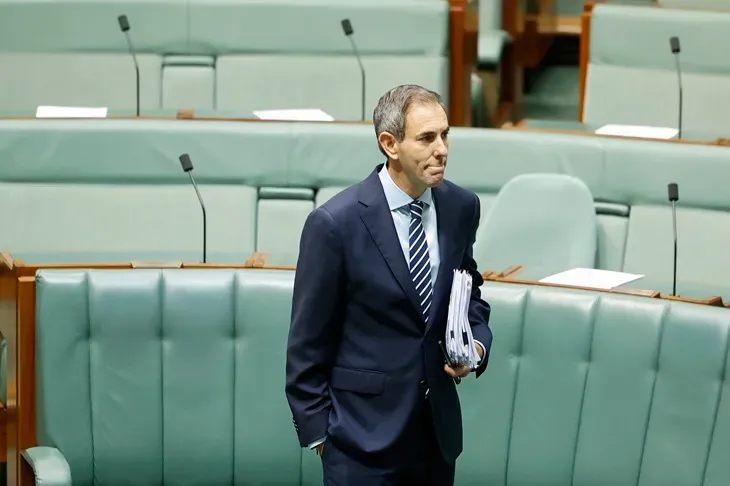
- 📉 The Productivity Commission finds Australia’s non-market sector — health, education and care — has gone backwards on labour productivity since 2014.
- 📈 Since 2021 employment in those sectors surged 24%, more than double the 9.6% in the market economy; output has stayed flat or fallen.
- 💰 Public-sector headcount grew 3.3% in 2024-25, roughly double population growth, with Commonwealth jobs up 5.6%; government spending is near 26.9% of GDP.
- 🏫 Real school spending per student rose ~14% over the past decade while PISA maths fell from 524 to 487 and reading from 528 to 498 — more than a year behind 2000 levels.
- 🏥 Public hospitals cost more than $80 billion a year, yet planned-surgery waits are now nearly twice as long as two decades ago.
- 🏗️ Land-transport infrastructure costs rose 51–53% since 2010-11, with major projects averaging 23% overruns.
- 🧮 National accounts value public-sector output as equal to inputs spent, Innis notes, so productivity can never fall by definition.
- 🎯 Takeaway: the article argues declining government productivity is structural, not a funding shortage, and demands outcome-based management rather than “feed the machine” spending.

9. Could Labour Be About to Ban X?
Ada Akpala — spiked
- 🇬🇧 UK Culture Secretary Lisa Nandy announced she is leaving X, taking the DCMS with her, over “misinformation” concerns.
- 🗣️ Labour deputy leader Lucy Powell called X “toxic” and wants election-period “purdah” rules for social media.
- 🚫 Akpala warns a straight-up ban would place Britain alongside North Korea, China, Russia, Turkmenistan, Myanmar, Venezuela and Iran.
- 🤝 Amnesty International UK said if Nandy really believes X is unhealthy for democracy she “should take more decisive action – not just leave the platform.”
- 📰 A DCMS green paper proposes a “prominence regime” requiring platforms to push content from “trusted sources” such as the BBC and legacy media at the expense of independents.
- 🔍 Akpala argues Labour’s real motive is loss of control over the public conversation, especially after X resurfaced the grooming-gangs scandal in 2025.
- 🎯 Takeaway: the article sees Nandy’s X exit and the prominence regime as the thin end of a wedge toward state management of online speech.
10. Nigel Farage Lays Down the Gauntlet
Brendan O’Neill — spiked
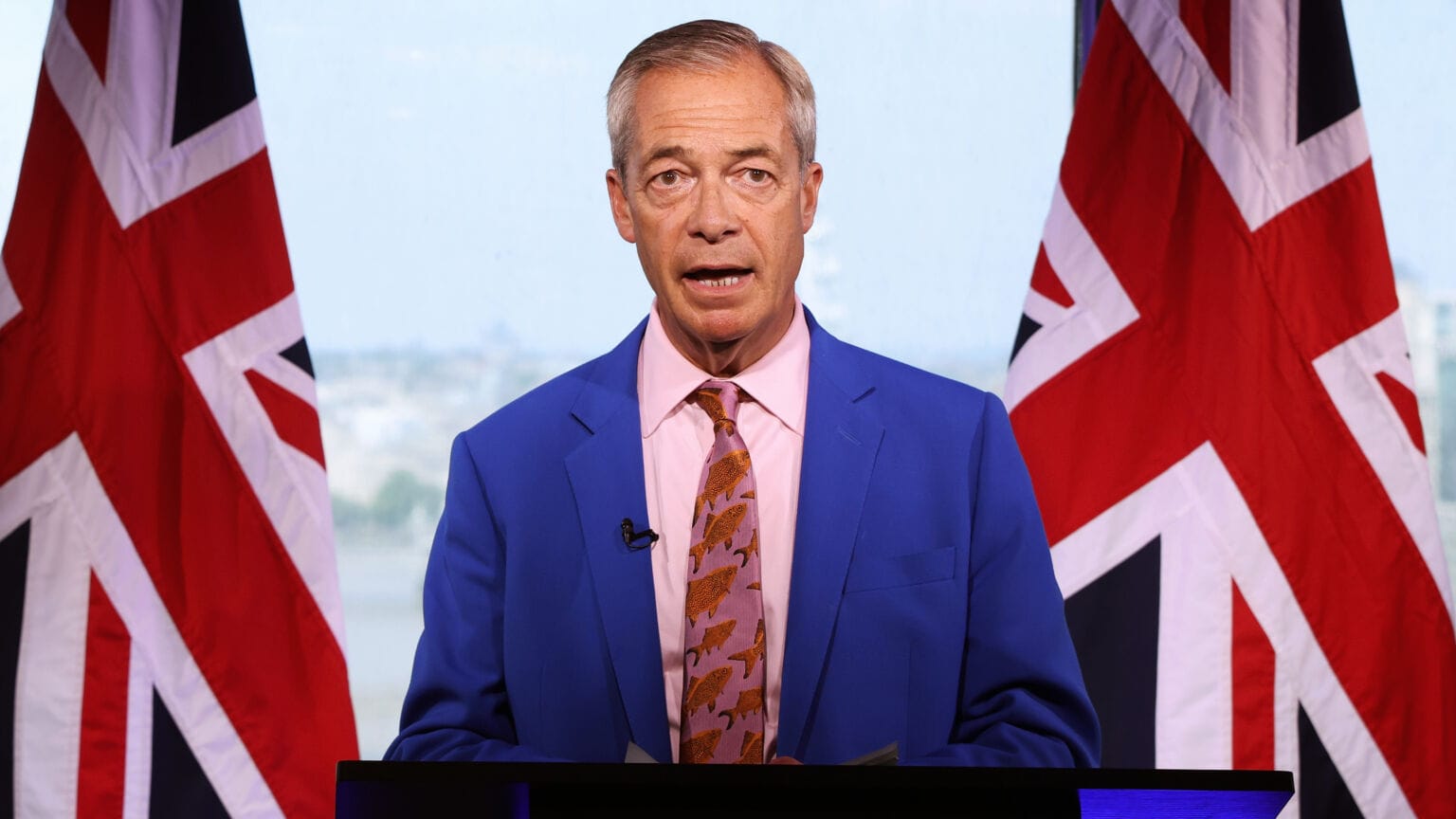
- 🇬🇧 Nigel Farage resigned as MP for Clacton and triggered a by-election he intends to fight, asking why the media should decide his fate.
- 💰 The immediate trigger is media scrutiny over a £5 million donation from a cryptocurrency investor and financial help from ally George Cottrell, a convicted fraudster.
- 🗣️ Farage says he has been the “most physically and verbally attacked public figure… of modern times,” citing milkshakes, placards and death threats.
- 📰 O’Neill frames the donation furore as a “brazen political crusade” by media elites to rid British politics of its best-known populist.
- 🗳️ The Clacton contest will let ordinary voters judge Farage, the media and the anti-populist elite, he argues.
- 🎉 It is contrasted with the Makerfield by-election, which O’Neill describes as engineered to crown Andy Burnham without a popular mandate.
- 🎯 Takeaway: Farage’s gamble returns power over his future from journalists to the “good people” of Clacton.
What our members are saying about Ten@10
Elizabeth
These articles are compulsory reading for me and the perfect addition to the usual list of Goodoil items!
Lynne
Absolutely brilliant to receive these current and thought provoking articles.
Jonathan
Just wanted to let you know that I’m loving this new 10@10. Much appreciated from someone who chooses to read/watch almost NO mainstream media.
Murray
Cam, relish your output as the newspaper in Christchurch is so intent on non news. Thankyou
Fred
Thanks for Ten @ Ten, really enjoy reading it.Keep it up. All the best, keep healthy.
Jocko
Wonderful info not otherwise available in NZ. More power to your elbow! Thanks.