Alwyn Poole
Began teaching in 1991. TBC, HBHS, St Cuths. Founded/led Mt Hobson MS–18 years. Co-founded SAMS and MSWA. Econs degree, Masters in Edn, tchg dip, post grad dip – sport.
Until three weeks ago we had 12 brown shaver chickens. We got them when they were 12 weeks old.
They are fully free-range on a property that is 10 hectares. There is grass, forest, vegetable gardens to raid (not encouraged), a house to try and get into daily to steal the dogs’ food (discouraged), and one has found its way onto our bed twice to have a good sleep (deeply discouraged).
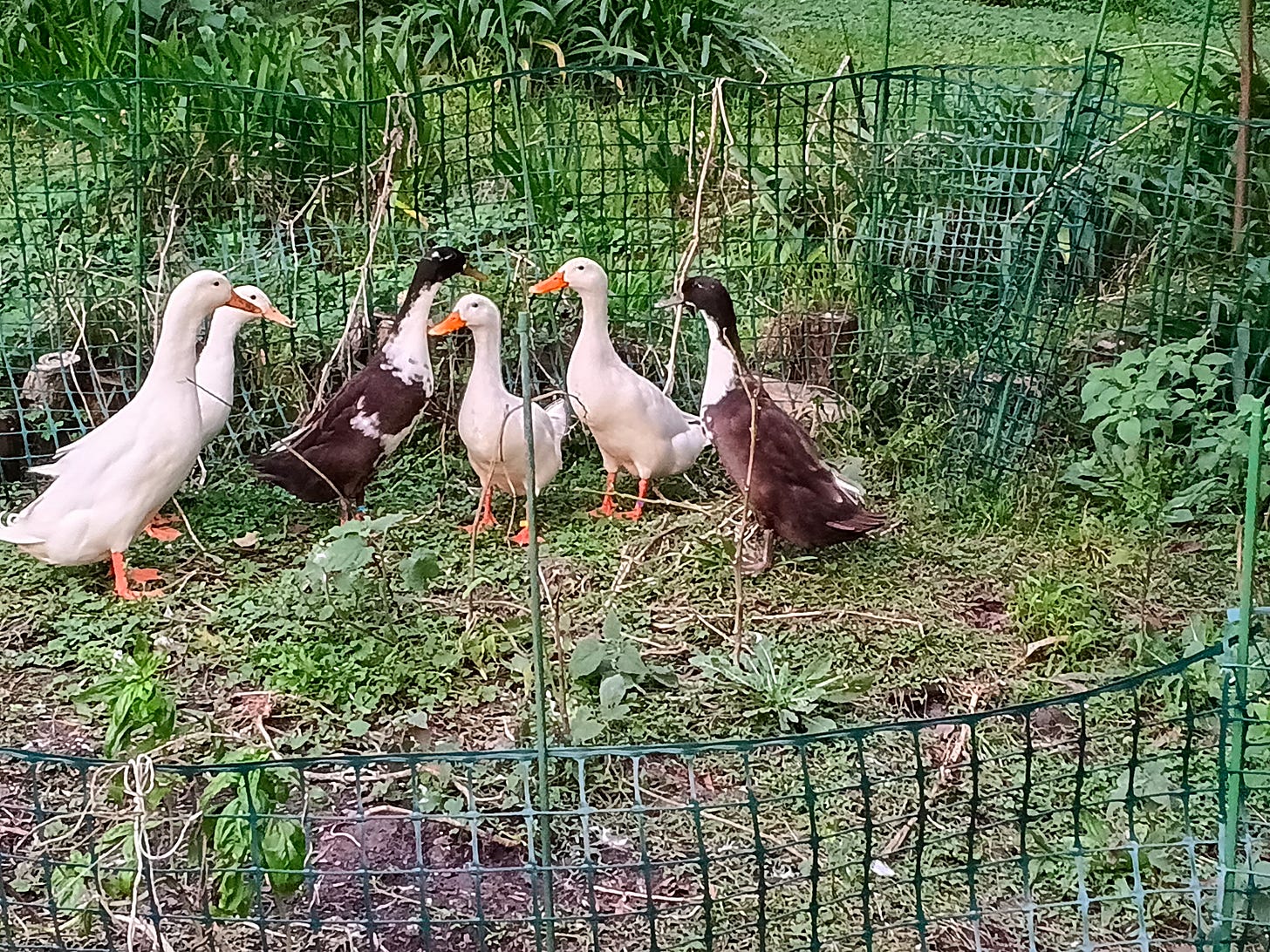
There are dogs, runner ducks, pūkeko, kererū, and hundreds of small birds to interact with – as well as rabbits and a possum night raider. They also face danger from a local hawk who causes them to scuttle and got hold of one chicken a few months back and caused some damage.
There are two humans who make sure they have shelter, clean water and lots of good quality food (including great food waste from a local restaurant).
Each chicken has a name identified by different coloured leg bands. Each has a different personality. Sally Redmane raids the dog food in the kitchen at least three times a day and is the bane of my wife’s life. Mellow Yellow tries to get into the car of any guest or when we leave a car-door open. Ceelo Green dominates the food area. R’Tard follows you around the garden any time you are out and believes weeding is simply to find worms for her. Pet is the largest and tamest and loves to be carried. Mean Jolene Green is the warning clucker after her encounter with the hawk. Purple Rain is a bully and is the chicken that tries to chase away all other bird types from the feed area. Flouro Nightingale, ironically, never seems to get herself clean and has permanent dags. Sunny is intent of hiding her eggs in inaccessible parts of the property and is incandescent when you find her. Sky clearly believes the sky is falling and never shuts up about it. Burp has extreme pace and when called from 30 metres away fly/runs immediately in case there is food. Blueberry is the most obedient and will come to the door off the deck each morning, wait outside for a handful of biscuits, go and lay her egg nearby – and let us know.
They are plump, brave/adventurous, friendly… and lay fabulous eggs all year round. They even contribute to local society as we have plenty of eggs to give away and sell.
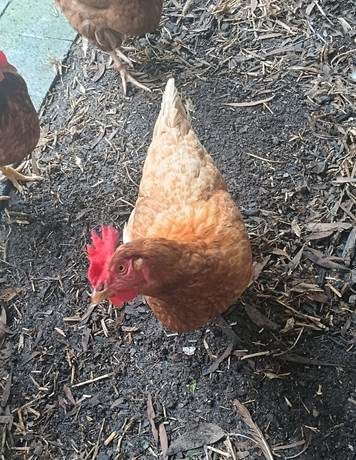
This is Pet.
Three weeks ago, we got six new chickens. They are ‘rescue’ chickens and had previously been ‘barn hens’. They are the same breed and the same age as our hens.
On arrival they weighed about 60 per cent of our original 12 chickens. Some are missing a significant amount of feathers – although we are already seeing re-growth. They were skittish about the two little dogs and pretty much everything else that moved. They huddle together at night in their pen instead of roosting.
When they first arrived you would call all of the chickens and the new ones would have no idea what you were talking about and would just stay where they were. They had never experienced grass, sunshine and wide-open spaces and, at first, had no idea what to do with those things. As for anything other than dry food – it was treated with great suspicion (although they are now ravenous). They were all much less vocal than the other 12 and don’t even cluck when they lay an egg. Their lack of strength was such that they could not jump onto the food table (although some now can).
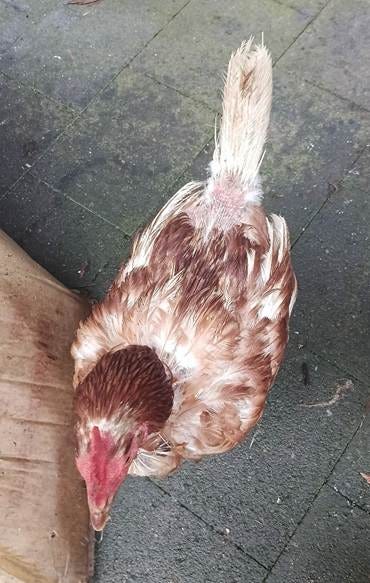
They all have a name and Miss Piggy, Princess, Gruffalo, Queenie, Balloon and Sushi are starting to develop/show personality. They come when they are called and are beginning to explore – especially Miss Piggy who arrived missing half of her feathers. Queenie lays on one side of the house and insists on short-cutting through the house to get out to the other side. A wrong turn one day had her lost in a lounge (we were out) and yielded a range of unwanted deposits.
Miss Piggy is below.
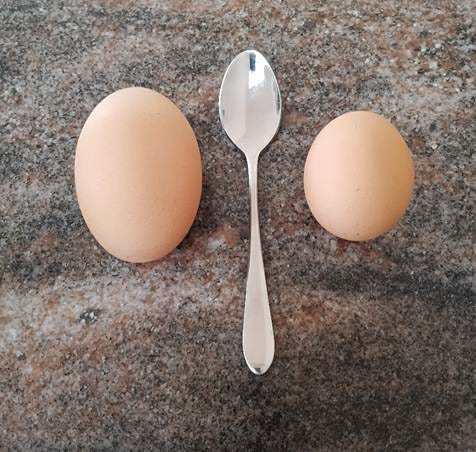
The biggest indicator of the consequences of the different developmental environment has been the eggs produced. The one on the left was laid by Pet. It weighs 110gms and will be tough to crack and have a yolk of deep yellow. The one on the right was laid by Queenie. It is 60gms, the shell is pale and brittle, and the yolk will be a light yellow.
They came from a barn where the conditions were not great and they were all treated the same. I don’t know if they will totally overcome the environment of their early life, adolescence and young adulthood – but they have a chance as they have come to a great place. They have superb food, shelter, freedom, stimulation and companionship. They have carers that understand that even chickens are individuals and each learns and responds differently. They are now exploring, curious, following the other chickens around the property and are no longer scared of other animals or the humans. They are even beginning to vocalise and learn the 30 different sounds chickens can make.
I figure every human child with a tough start, in a small and prosperous nation, deserves a comparable chance.
This article was originally published by Education – the Absolute Best Ways.