Table of Contents
Peter MacDonald
Few New Zealanders could imagine that one of the nation’s most striking fashion collections would emerge from the hands of a Central Otago farmer who had once endured the horrors of war. Yet that is the story of Eden Hore, whose life stands as a testament to resilience and creativity.
Hore, a sheep and cattle farmer from Ranfurly, Central Otago, created one of the most significant archives of 1970s and ’80s New Zealand couture: over 270 garments from designers like Kevin Berkahn, Vinka Lucas, Colin Cole, Pat Hewitt, Rosalie Gwilliam, Maritza Schepp and Eleanor Joel, preserving a moment in time when Kiwi fashion bravely strove to stand alongside London, Paris and New York.
Born in 1919 in Naseby, Hore left school at 13 and worked the Maniototo high country until war changed everything. Serving as an artilleryman in the 16th Field Artillery of the Second New Zealand Expeditionary Force, he saw brutal combat in Egypt at the Battle of El Alamein and in Italy at the Battle of Monte Cassino. Hospitalised twice for pneumonia during the campaigns, his nerves were shattered by the stress and death surrounding him. By the war’s end, the NZ division was stationed in Trieste, where Eden, a young man from the practical Ranfurly, would have encountered Italian women moving with a grace and sophistication entirely alien to him.
Returning home, Hore faced a slow and traumatic recovery. Like many veterans, he turned to alcohol to soothe memories of violence and loss, yet Hore discovered a form of healing: fashion. His first exposure to couture came in the 1960s through work with country singer John Grenell (no relation) and the Miss New Zealand pageant. Eden drove Grenell on tours, helped backstage and quickly developed an appreciation for gowns, eveningwear and the polished ‘off duty’ looks of models and contestants. His housekeeper-turned-partner Alma McElwain, a model, further inspired him.
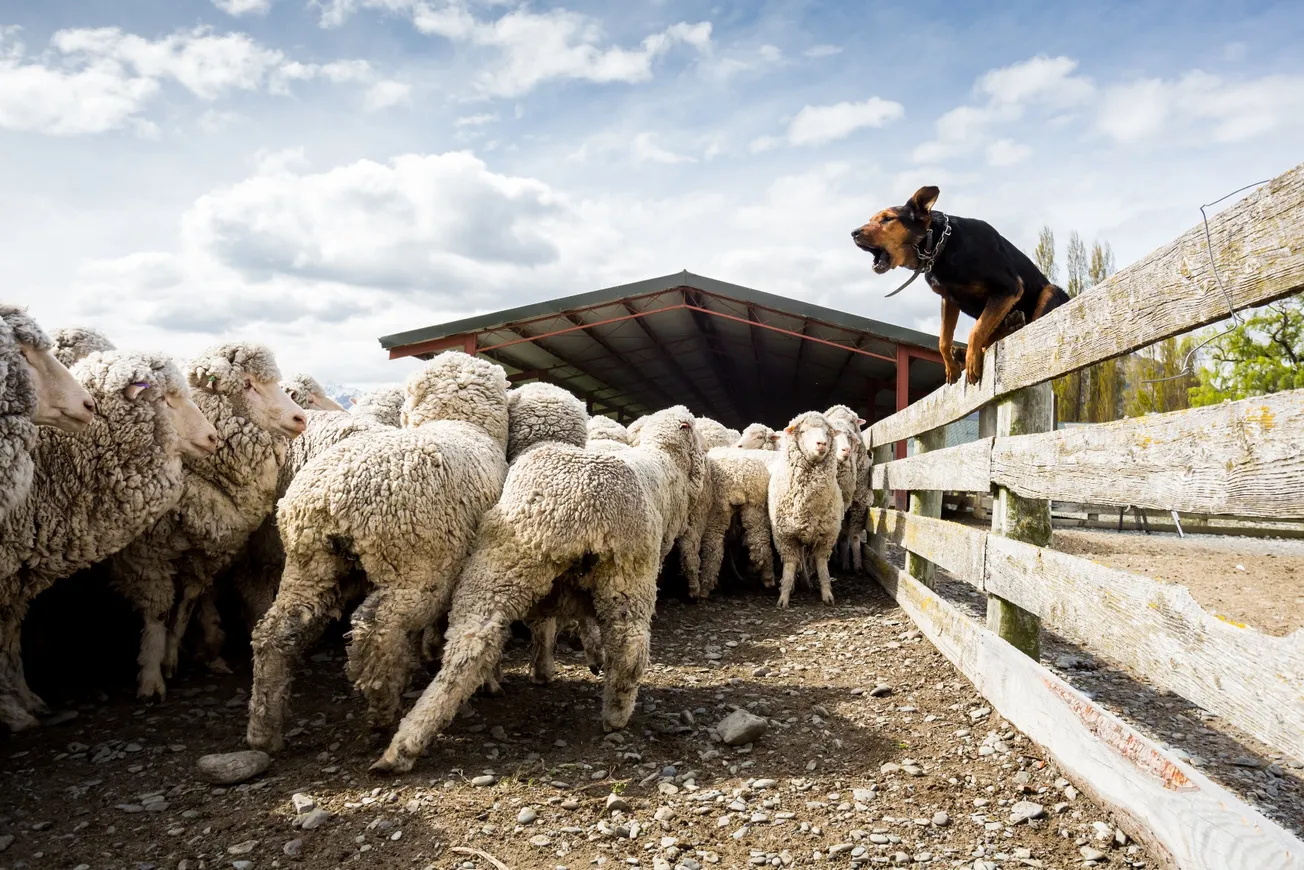
Hore introduced cattle to his traditional sheep country: a move that transformed Glenshee Station and provided him with wealth, time and freedom. He then poured his creativity into transforming his high-country station and planted grand formal gardens, complete with hundreds of roses and rhododendrons around a large illuminated fountain. He hosted extravagant fashion shows as fundraisers for charities which brought high-style glamour to the Maniototo. Eden imported rare and exotic animals, like bison, yaks, deer, goats and miniature horses and even built a private airstrip to fly in entertainers like Howard Morrison and Eddie Low to perform at his garden parties. When the local cinema closed, he purchased a 16mm projector to provide Saturday night comedies for locals. His world had shifted completely – from the smoke and gunfire of war to music, laughter, colour and light.
His fashion collection grew through both vision and generosity. Eden purchased pieces directly from designers and was often given first pick on new creations. When Kevin Berkahn first heard that his gowns were tucked away in the remote recesses of a Ranfurly farm, he was initially perplexed, not realising Hore was preserving a priceless slice of New Zealand’s fashion history. Designers such as Pat Hewitt and Rosalie Gwilliam frequently had garments made specifically for Hore and, in doing so, ensured that the craftsmanship, creativity and boldness of New Zealand’s high couture scene, often dismissed as the ‘poor cousin’ of London, Paris and New York, were not lost to time.
Hore supplied materials to talented New Zealand designers from his own sheep and cattle, who transformed them into dresses, capes and ensembles and, so, Eden bridged the high-country life with a world of elegance and artistry to create a collection that celebrated both his land and his imagination.
This life of fashion and creativity grew from the stark contrast between the horrors Hore witnessed in war and the beauty he would later cultivate. Through collecting and curating exquisite garments, Eden transformed his trauma into beauty – a joy that endures today, as his collection continues to inspire and delight all who encounter it.
Currently some of Eden Hore’s collection is on display at the Otago Early Settlers Museum.