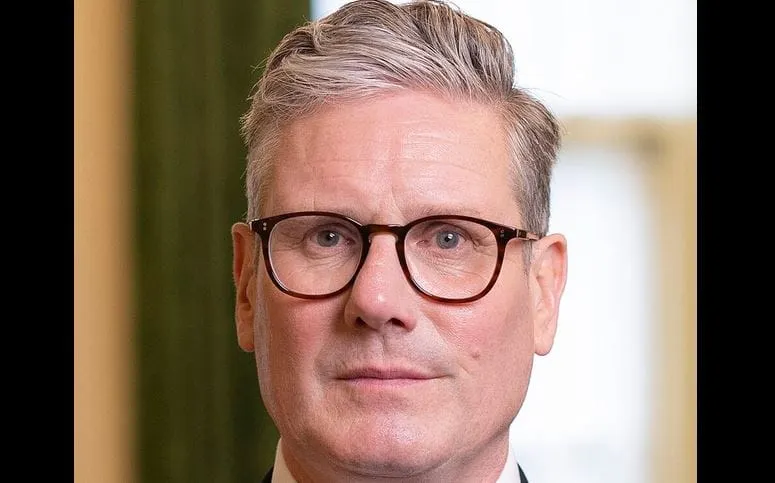
Keir Starmer is regarded even by his opponents as a decent man, hardworking and courteous, and yet he has become the most disliked British prime minister since modern political polling began.
Starmer led the United Kingdom’s Labour Party to a landslide general election victory in July 2024, winning 411 seats in the House of Commons, a majority of 174. It was the third highest haul of seats achieved by Labour after Tony Blair’s landslides in 1997 and 2001.
Except…
[…] But there were warning signs. His victory was achieved with just a 34 per cent share of the vote.
On Monday, he resigned as prime minister.
“Every decision I have taken has been about putting the country I love first. That is why I will resign as leader of the Labour Party,” he said.
[…] But Labour’s relatively limited popularity after the 2024 vote began to plunge quickly, along with Starmer’s approval ratings.
“He did not define what he believed in and what the Labour Party believed in. He does not have a narrative, a story on what his long-term objectives are, what he wants and (had) no sense of direction,” John Curtice, professor of politics at the University of Strathclyde and the UK’s most respected pollster, told Al Jazeera. “Starmer is a very clever lawyer. What he seems to lack is political antennas and the presence of a leader.”
Tim Bale, professor of politics at Queen Mary University of London, recently described Starmer to Al Jazeera as a “poor communicator and one who messed up his first few months in office”. He lacked a vision “to inspire either his MPs or the public,” he added.
Both irrelevant as to the actual reasons why Starmer’s resigned, but never mind.
A year into the job, according to the polling company Ipsos, net satisfaction with Starmer had plummeted to minus 66, “the lowest satisfaction rating recorded by Ipsos for any prime minister going back to 1977”, the pollster said.
It has barely improved since then and is currently around minus 60. Seventy-six per cent of people are dissatisfied with Starmer and just 16 per cent are favourable.
[…] Starmer became prime minister at a challenging time after more than a decade of Conservative rule.
Britons were grappling with a cost of living crisis, overstretched government finances and full prisons. From the start, Starmer had difficult decisions to make.
[…] “Starmer’s governing project was to turn the Labour Party into the new Conservative Party,” said Oliver Eagleton, author of The Starmer Project: A Journey to the Right. As the Conservatives rebranded themselves as a populist party appealing to the working class during Brexit under Boris Johnson, the centre ground was vacated, and Starmer “pledged to occupy that centre ground and consolidate the state”, he said.
But some felt the rebranded Labour Party lacked a defined political identity and its leader the political instinct to command loyalty on the backbenches.
Starmer, an Oxford University graduate born to a nurse and toolmaker, was accused of being overly cautious and indecisive despite his strong parliamentary majority.
His own MPs defied him on critical votes, even forcing him into a U-turn on welfare and inheritance reforms. And the party suffered a string of resignations, push-outs or reshuffles, which did not align with his electoral pledge to end years of Conservative chaos.
A further blow to Starmer’s political career was choosing Peter Mandelson, a man who had twice been fired from other Labour governments on ethical concerns, for the post of US ambassador. Starmer gave him the job despite knowing that Mandelson had a friendship with the late convicted sex offender Jeffrey Epstein.
The prime minister said he had not known the depth of their relationship and apologised to Epstein’s victims.
But to make things worse, by April it was clear that the Foreign Office had approved Mandelson’s appointment against the advice of security officials.
Weeks later in local elections in May, as the Labour Party suffered great electoral losses, victorious Reform leader Nigel Farage – a firebrand populist campaigning on tougher border controls and anti-immigration rhetoric – doubled down on his promises to be as an anti-establishment alternative to Britain’s traditional parties.
[…] However, Starmer’s first major misstep was restricting access to the winter fuel allowance for pensioners, a lump sum of a few hundred pounds to help with heating costs. His government eventually made a U-turn, but the damage had been done, all for the sake of a modest saving in government expenditures.
In October 2024, Chancellor Rachel Reeves’s budget was widely criticised for raising taxes.
Another U-turn came in summer 2025 when Starmer scaled back planned cuts to disability benefits in the face of a brewing backbench revolt. Even after his concessions, 49 Labour MPs voted against the government.
[…] For the overwhelming majority of Labour MPs, fearful of losing their seats to Reform in the next elections, Starmer had to go, and Burnham was his obvious successor.
And there you go. Heir Keir didn’t resign for Mother England. He resigned because he’s virtually been forced to. Either quit voluntarily or get the boot.
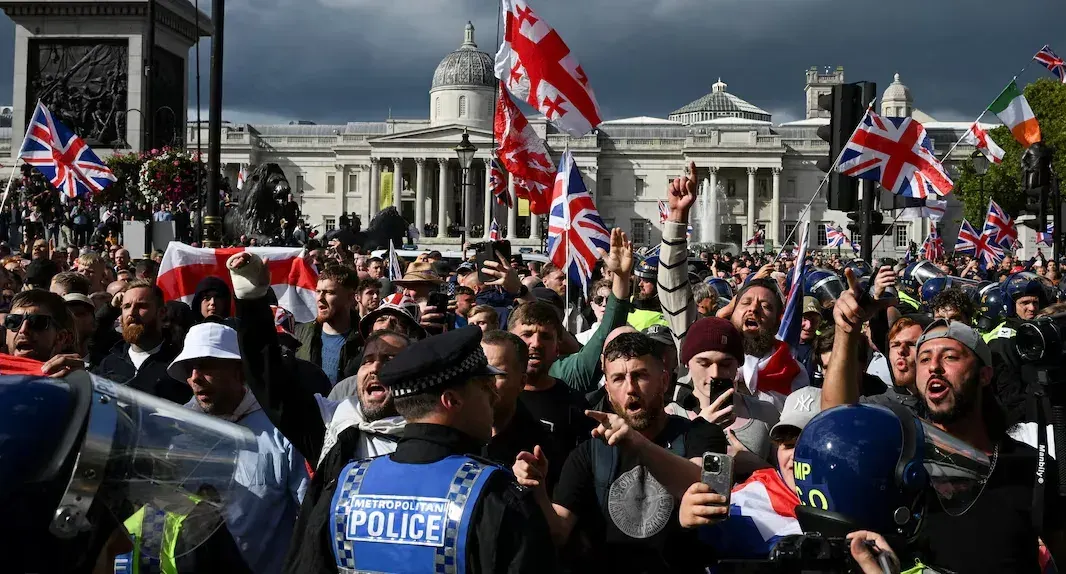
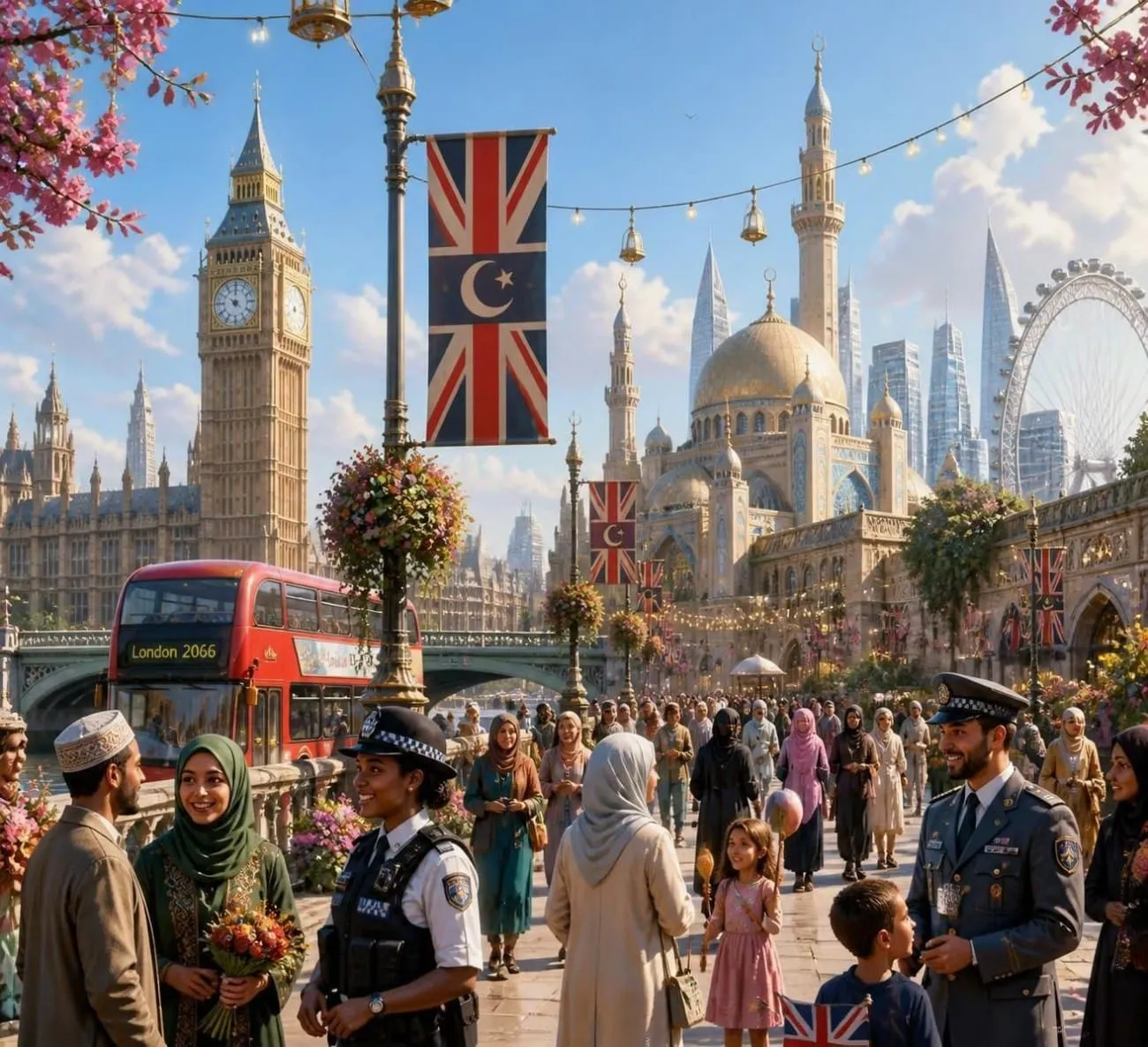
As for the reasons given why he’s been so unpopular, it’s interesting how nothing is mentioned of the rape gang scandals, where he and his BFF Sadiq Khan turned a blind eye, the way rapists from third-world shitholes are let off with warnings, while ordinary Brits are arrested for Facebook posts, and the uncontrolled immigration from Muslim countries.
Let’s not forget how he claimed that the greatest threat facing England was “Islamophobia”.
But, no. He was just crap at his job, that’s all.
Source: https://www.aljazeera.com/news/2026/6/22/decent-but-despised-the-downfall-of-keir-starmer