Table of Contents
John McLean
Citizen typist. Enthusiastic amateur.

I’ve written screeds on how Woke/Critical Social Justice/Identitarianism/Neo-Marxism/Post-Modernism – call it what you will – has been entrenched in New Zealand society.
New Zealand’s only indigenous strain of Wokery is Māorification. All the rest – trans activism, biological sex denialism, the hierarchy of victimhood and oppression and all other Woke Slop – has been mindlessly imported from foreign Western universities.
The Woke Māorification of New Zealand comes in various forms. There’s the incoherent and divisive Critical Race Theory narrative that anyone with any Māori ancestry, no matter how fractional, is (and forever will be) oppressed by a system devised by humans without such ancestry. There’s the historically false notion that Māori, as an invented collective, have not accepted a unitary central government for all New Zealanders, such that a nascent Māori nation is about to bloom.
Sensible New Zealanders are forced to suffer the amorphous and entirely fabricated Treaty of Waitangi “principles”. We see the supplanting of New Zealand’s Christian heritage by strident Māori mysticism as NZ’s new state religion. Then there’s all the Māorific forced conformity, self-censorship and cultural safety. And so on, and so forth.
I’ve explored at length the main mechanisms by which New Zealand is being Māorified. We have the Public Service Commissioner, Sir Brian Roche, running interference, protecting the public service from any attempts by the elected government to de-Māorify public agencies and shielding Māori Mafia from scrutiny and accountability:
We have Woke educational and judicial systems, powerfully immune from governmental efforts to tone down the racialization of New Zealand. The current government appears to have simply given up on removing “Treaty principles” references from legislation, an express commitment under the National/NZ First coalition agreement.
Even ACT Party leader David Seymour, previously a staunch opponent of co-governance, has thrown in the towel, defending local authorities’ rights to enter into co-governance arrangements with Māori groups. Speaking with the Platform’s Sean Plunket on 26 March, Seymour said that local governments should be entitled to enter into co-governance arrangements with Māori groups: entitled to do so without endorsing referenda from local constituents and free from democratic legislative constraint on such racialized co-governance.
The mechanisms of Māorification are deep and pervasive. Turn over almost any rock and you’ll find entrenched hope for an eternal race-based New Zealand. Take, as just one example, incorporated societies.
In 2022, the departed Labour government passed a new Incorporated Societies Act. The 2022 act replaced incorporated societies legislation dating back to 1908. So far, so good. But embedded in the new incorporated societies legislation are explosive sleeper cells for Māorification.
The new Incorporated Societies Act enables incorporated societies to include in their constitutions expressions of their “tikanga” (customs, value and practices that guide behaviour and decision-making in accordance with Māori cultural principles) and “kawa” (Māori protocol and etiquette). All incorporated societies are required to be re-registered, with a new, compliant constitution, before the close of 5 April 2026.
Wokesters, race hustlers and critical race theorists have latched onto the “tikanga” and “kawa” permissions to impregnate incorporated societies’ constitutions with all sorts of Māorification. And New Zealand incorporated societies, numbering about 24,000, are ubiquitous.
Let’s take, as just one example, the incorporated society known as the New Zealand Association of Counsellors Incorporated. NZAC is the body to which most New Zealand counsellors belong. Its president is a woman named Huhana Pene. Who is Huhana? It’s hard to tell.

All 10 of NZAC’s national office staff are biological women. Coincidence? I think not. Feminization of Western societies is a powerful force behind Wokery. NZAC’s Executive Director is Tess Casey.

In her NZAC bio, Tess claims to have been “an Executive Judge for New Zealander of the Year”…
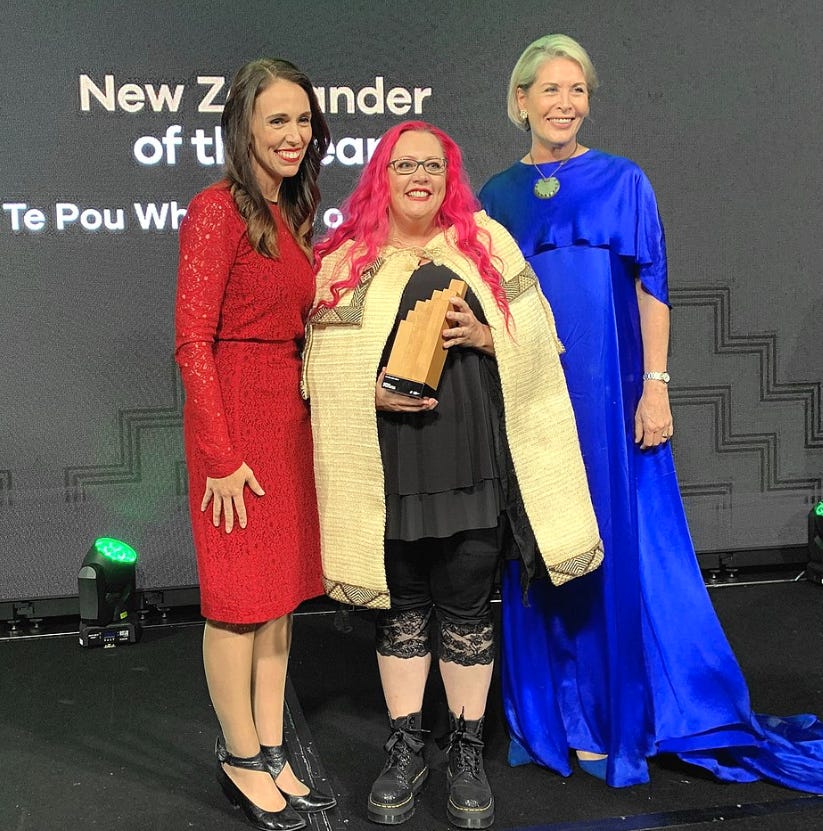
NZAC’s new constitution, which you can find on the online Incorporated Societies Register, is totally Māorified.
Under NZAC’s constitution, “NZAC’s purpose is to improve and enhance the mental health and wellbeing of all New Zealanders by supporting and growing the counselling profession”. So far so good. But then things immediately get Woke Weird. The constitution then states:
This [NZAC’s purpose] will be achieved by:
a. Te Roopu Kaiwhiriwhiri o Aotearoa/the New Zealand Association of Counsellors (NZAC) is committed to honouring our responsibilities under Te Tiriti o Waitangi and acknowledging Tino Rangatiratanga of tangata whenua.
b. Te Roopu Kaiwhiriwhiri o Aotearoa/the New Zealand Association of Counsellors (NZAC) is committed to contributing to the healing of the ongoing injustices of colonization and the intergenerational effects that many of our communities continue to suffer.
In other words, NZAC’s constitution expressly provides that it will somehow fulfil its purpose by honoring responsibilities under the Treaty of Waitangi, acknowledging Māori self-determination/sovereignty and committing itself to healing ongoing injustices of colonization and its ongoing effects. How doing those things could possibly contribute to “supporting and growing the counselling profession” is a deep and dark mystery.
NZAC’s constitution then states NZAC’s “KAWA”, which I repeat in full:
KAWA
This Constitution shall be interpreted in regard to the foundational guiding principles and philosophy of Ngā Pou.
- Mana Whakahaere
Our governance and management systems are ethical, uphold tikanga and value indigenous knowledge. They are underpinned by a commitment to partnership.
- Mana Motuhake
We uphold self-determination and our responsibility for exercising critical thinking and taking action against racism and discrimination.
- Mana Tangata
We uphold the sanctity and dignity of a person’s right to be. We respect the diversity of humanity inherent in all people, expressed as Tapu i te Tangata. All members are welcomed and included in NZAC.
- Mana Māori
We uphold, value and honour te reo me ōna tikanga me nga Matauranga Māori katoa.
- Mana Mauri
We nurture and protect the essence of Te Taiao, inherent in the environment.
- Mana Moana
We acknowledge the place of Aotearoa in Te Moana Nui A Kiwa (the Pacific Ocean) and that this pre-dates Te Tiriti. We respect and value our shared history and connections with the peoples of the Pacific.
- Equity
We acknowledge our responsibilities to social justice and recognise that different levels of advantage require different approaches and resourcing.
- Active Protection
We actively work towards protecting the rights of individuals and communities, including tangata whenua.
In other words, NZAC’s express Māori protocol and etiquette (kawa) under its constitution is to:
- uphold Māori tikanga (customs) and knowledge, underpinned by a commitment to the bogus notion of a constitutional partnership between Māori and non-Māori people
- uphold Māori self-determination (the divisive, ahistoric notion of a separate Māori nation), exercise post-modernist critical thinking and take action against racism and discrimination (Critical Race Theory)
- uphold the sanctity and dignity of “a person’s right to be” – whatever on Earth that’s supposed to mean
- uphold, value and honour the Māori language and culture
- nurture and protect the natural world
- acknowledge that New Zealand is in the Pacific Ocean and was situated there before the Treaty of Waitangi (well, blow me down), and connections to Polynesian people
- acknowledge responsibilities to social justice and recognise that different levels of advantage require different approaches and resourcing (Critical Social Justice, oppressive/oppressed groups, hierarchies of victimhood…all that post-modernist woo woo)
- actively work towards protecting the rights of individuals and communities, including – you guessed it – people with Māori ancestry
But NZAC’s spanking new constitution doesn’t stop there. NZAC’s constitution creates a separate category of membership for individuals with Māori ancestry (Ngā Tumutumu), with their own forum (Te Rōpū Māori) and Māori co-chair of NZAC (Te Ahi Kaa) and supporting officer (Te Kaitumutumu) for the Māori co-chair.
All of this is under the umbrella of NZAC’s guiding principles – “Ngā Pou”, exhaustively described on NZAC’s website, including the following:
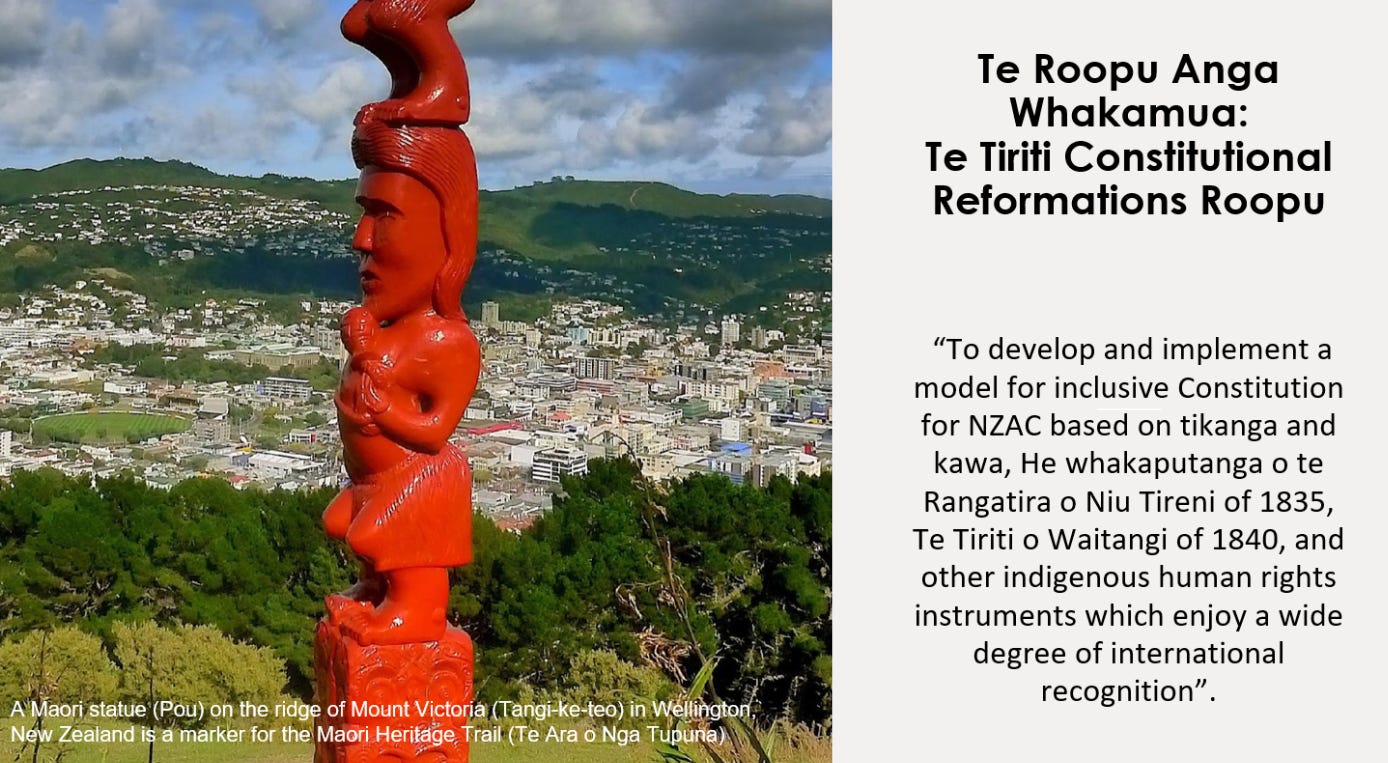
Counsellors affiliated with NZAC must undertake continuing professional development, including this Critical Race Theory indoctrination:
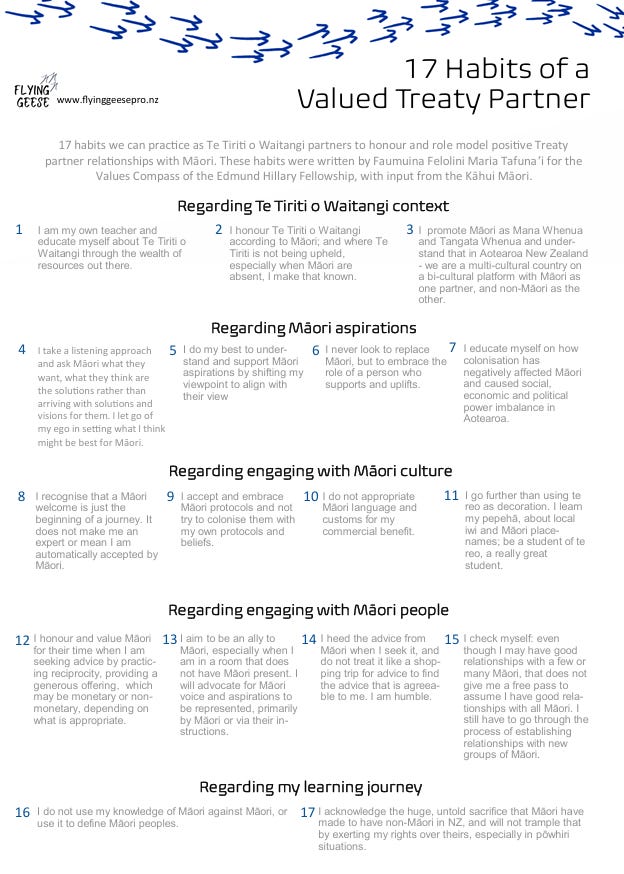
What can we make of this? First, none of NZAC’s pervasive Māorification can possibly be raising the standard of counselling in New Zealand. Skilled counsellors ought to take all ‘counsellees’ as they come, with all their unique facets, foibles and backgrounds, and without racial stereotyping. NZAC Māorification is just misguided, performative piffle. NZAC’s constitution entreats all counsellors not to counsel but, rather, to indoctrinate vulnerable and suggestible people who need counselling with Māori Critical Race Theory.
More generally, we can safely say that NZAC’s constitutional Māorification is far from aberrant. Expressly encouraged by the new incorporated societies’ legislation to include tikanga and kawa, a multitude of New Zealand’s 24,000 societies have included radical Māorification in their constitutions. And the legislated Māorification invitation wasn’t accidental. It was yet another deliberate ploy to permanently race-ify New Zealand and New Zealanders.
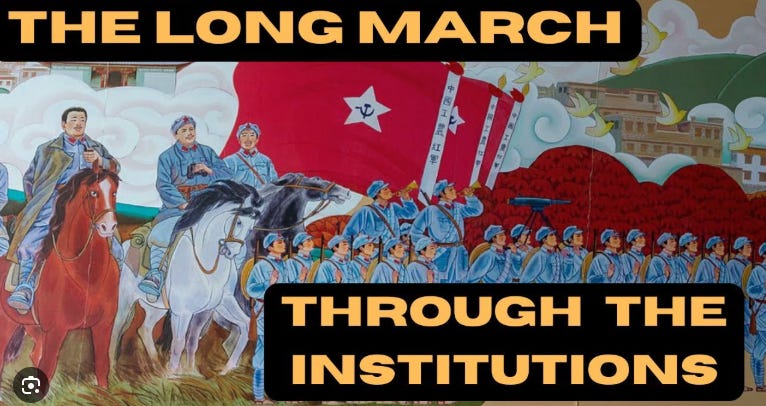
Lastly, statutory Māorification of incorporated societies is set to endure. With appropriate political will and concerted action, legislative references to Treaty principles and suchlike can be removed. Māorification, once entrenched in constitutions, is far harder to expunge. The neo-Marxist march through New Zealand’s institutions marches on. The Post-Modernist Wreckers may win in the end, but that’s no reason to stop fighting.
This article was originally published on the author’s Substack.