Maybe the Albanese Labor government isn’t a fifth column for the Chinese Communist Party. But if they were, what would it be doing differently?
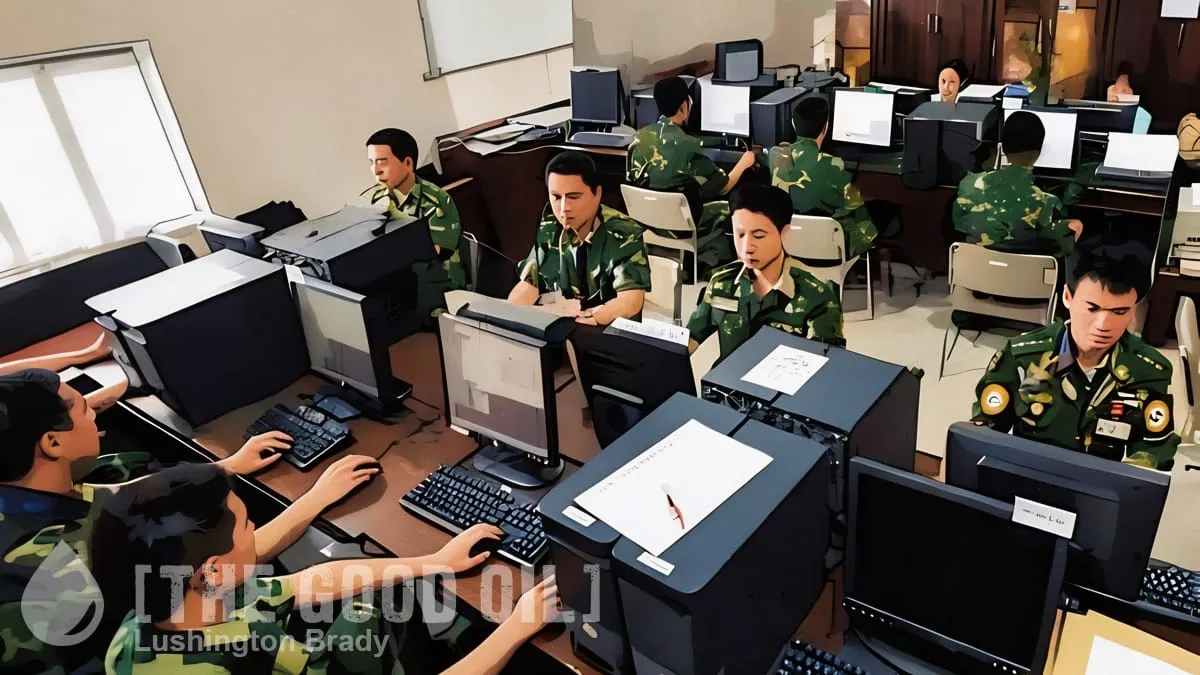
MPs who directly report to Chinese spies? Check. Taking actual shopping bags full of cash from Beijing-linked businessmen? Check. CCP-run groups recruiting Ten Cent Armies of Chinese expats to campaign for Labor? Check.
To that dire list we can now add: buying a fleet of mobile Chinese spy stations for its ministers.
Chinese electric vehicles have been added for the first time to the list of taxpayer-funded cars available to federal MPs for their private use, despite ASIO warnings over security issues and a looming US ban.
Six BYD (Build Your Dreams) models and a Chinese-made MG were added to the list of options for MPs’ private-plated vehicles from April 1, including the top-selling Sealion SUV and the Shark plug-in hybrid ute. The cars now make up nearly a third of the vehicle options for MPs, in a change authorised by Special Minister of State Don Farrell, who owns a BYD Shark.
Home Affairs and Cyber Security Minister Tony Burke also drives a Chinese EV. He was given ‘mitigations’, including not connecting his official phone to the car. Hands up who thinks these nuffies will actually remember to turn the bluetooth off every time they get in the car? And what difference will it make, even if they do? How many of us have turned off our phone’s ‘assistant’, only to have it start feeding targeted ads, based on conversations in the room just a few minutes ago?
As ASIO Director-General Mike Burgess warns, everything said in such vehicles may be recorded. Let’s be real: it’s not a matter of ‘may’ – it will. As cybersecurity expert Alastair MacGibbon adds, EVs not only collect troves of data 24/7, data from Chinese EVs would, by default, “come under the direction of the Chinese Communist Party”.
“In short, we don’t have any controls, and we’re just leaving ourselves increasingly exposed,” Mr MacGibbon said.
“(Parliamentarians) will connect their phones to the car. They’ll have, at the very least, confidential conversations around the functioning of Australia’s democracy.
“(The advice is) ‘don’t connect your phone and don’t have conversations in a car, but feel free to get one’. It’s just illogical.”
These vehicles don’t just collect data when you plug in your phone. They are designed to stay connected to the manufacturer at all times for software updates, navigation and ‘safety’ features. That means a constant stream of information on where ministers are driving, who they’re meeting and what they’re saying, even if the phone stays in the pocket. Cameras inside and out, microphones and telematics systems turn every trip into a potential intelligence goldmine for Beijing.
MacGibbon warned of even darker possibilities. Chinese EVs could one day be remotely disabled or have their safety systems turned off, causing them to “explode” or create chaos on roads during peak hour. While the thought of Tony Burke, Chris Bowen or Anthony Albanese being remotely barbecued from Beijing is a distinctly tempting one, the security risks are frankly mind-boggling.
All major Chinese companies are required by law to have CCP officials embedded in management and to assist Beijing’s intelligence services whenever demanded. There is no such thing as a purely commercial Chinese EV maker when sensitive data is involved. China’s “Thousand Talents” programme exists precisely to steal sensitive technology and research from the West by recruiting overseas experts and funnelling knowledge back to the mainland.
The United States has treated this threat with the seriousness it deserves.
The US Department of Defense has added a number of Chinese companies, including BYD and Alibaba, to the list of enterprises affiliated with the Chinese military, according to the Pentagon. Because the companies have been added to this list, they can no longer get defense contracts from the Pentagon.
The List was drafted in 2021 and is intended to recognize companies that, according to the Americans, have links to the Chinese military, even if they are not driven by it. It does not mean that these Chinese companies in the US are not allowed to sell products or services, but that the US military does not purchase them.
Labor’s decision to expand the Chinese EV options for MPs flies in the face of these warnings. While ASIO and cyber experts raise red flags about ministers driving vehicles that can record their every word and movement, the government adds more Chinese models to the fleet.
China, meanwhile, is acting with its trademark barefaced cheek.
The Chinese embassy in Washington says the US “must stop making discriminatory lists.” The embassy says Beijing wants the US to create a fair and non-discriminatory environment for Chinese companies.
We might take Beijing’s protests a tad more seriously if China itself wasn’t busy discriminating against everyone else. Chinese tech giants have been banned from buying Nvidia AI chips, with existing orders cancelled. And Australia has direct experience of Beijing’s arbitrary trade sanctions – coal, wine, barley, lobster – imposed without warning whenever the CCP wants to punish Canberra for stepping out of line.
The Albanese government can keep pretending these are just cars. The rest of us are left wondering why Australian ministers are being encouraged to drive around in mobile listening posts controlled by a hostile foreign power.