Summarised by Centrist
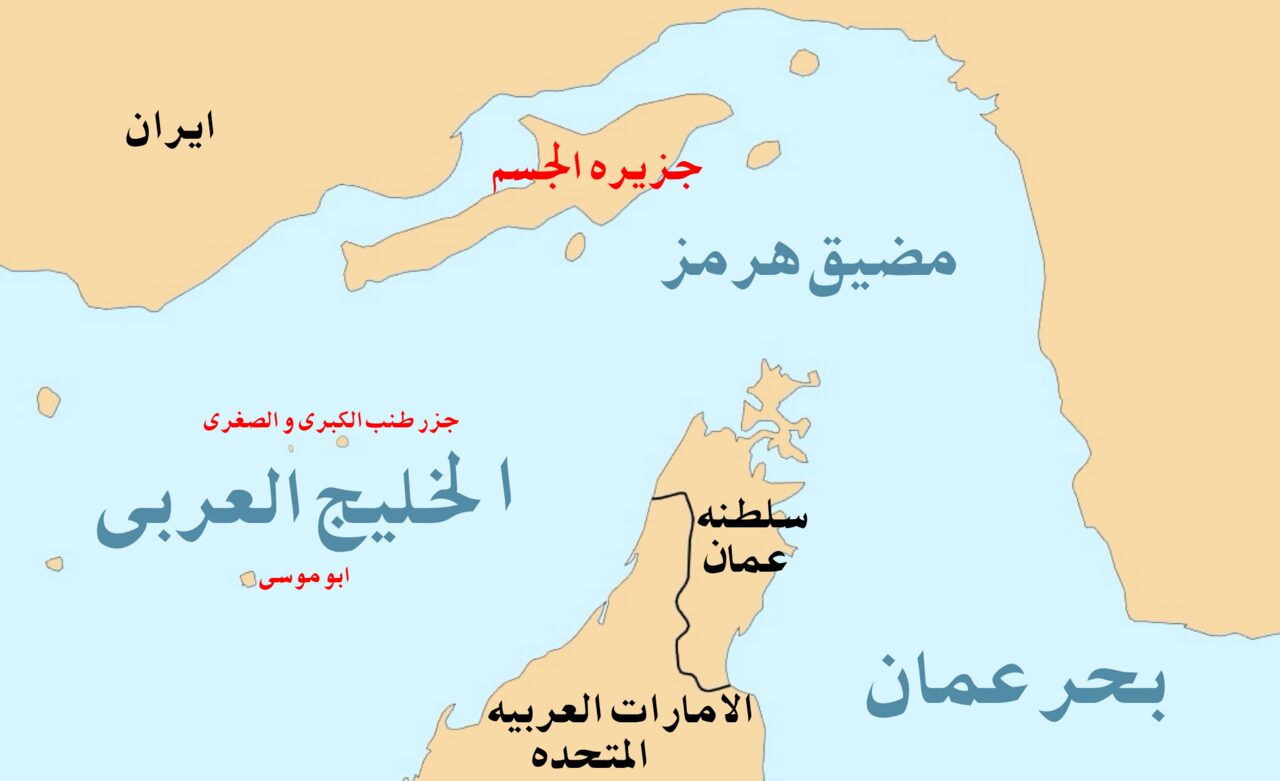
New Zealand has joined a UK-led diplomatic push to reopen the Strait of Hormuz, with Foreign Minister Winston Peters’ office saying the shutdown is directly hurting New Zealand’s economy and pushing up fuel prices.
The meeting, hosted by Britain and attended by representatives from about 40 countries, ended with a call for the “immediate and unconditional” reopening of the strait. But there was no breakthrough.
New Zealand was represented by High Commissioner to the UK Hamish Cooper. Peters’ office said the talks were a chance to discuss “diplomatic and political options” for restoring freedom of navigation and the movement of vital goods through the strait. It said the meeting showed “strong international agreement on the urgent need” to get the route open again.
Since the US-Israeli attacks against Iran began on February 28, traffic through the strait has collapsed and energy prices have jumped.
Countries discussed possible coordinated action, including more diplomatic pressure through the United Nations, sanctions, and military planning around defensive capabilities such as de-mining. But there is no consensus on using force.
The Gulf Cooperation Council wants the UN Security Council to authorise force to protect the waterway, and Bahrain has proposed a resolution allowing states to use “all necessary means” to ensure passage. That idea is already running into resistance, with Russia, China and France all objecting. French President Emmanuel Macron called a military operation to reopen the strait “unrealistic”.