

Where Are the Police?
Allegations last year raised serious questions about the priorities of the New Zealand Police, it seems they are more focused on policing online speech than addressing severe criminal behaviour.
Allegations last year raised serious questions about the priorities of the New Zealand Police, it seems they are more focused on policing online speech than addressing severe criminal behaviour.

Rutherford urges Supreme Court to block police uses of dragnet cell phone surveillance.

How New Zealand's law enforcement became an activist agency protecting a fiction, and the media reinforces the deception.

A legal case in Kansas shows how surveillance technology can distort policing priorities. When authorities can monitor anyone cheaply, the temptation to target critics increases.


Information damaging to police interests was consistently absent from what was initially made public, and consistently only emerged under pressure from persistent journalists. The OIA exists precisely to prevent this.
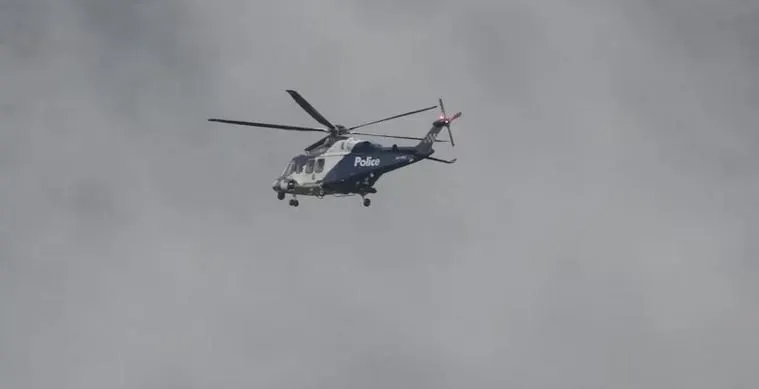
A person going off the grid is one of the greatest challenges police face in trying to find someone, because technology serves as a person’s electronic footprint.

Public trust, once diminished, is difficult to rebuild and recent years of police misconduct should have woken our lawmakers up by now. It is essential that parliament takes the time to get this right.
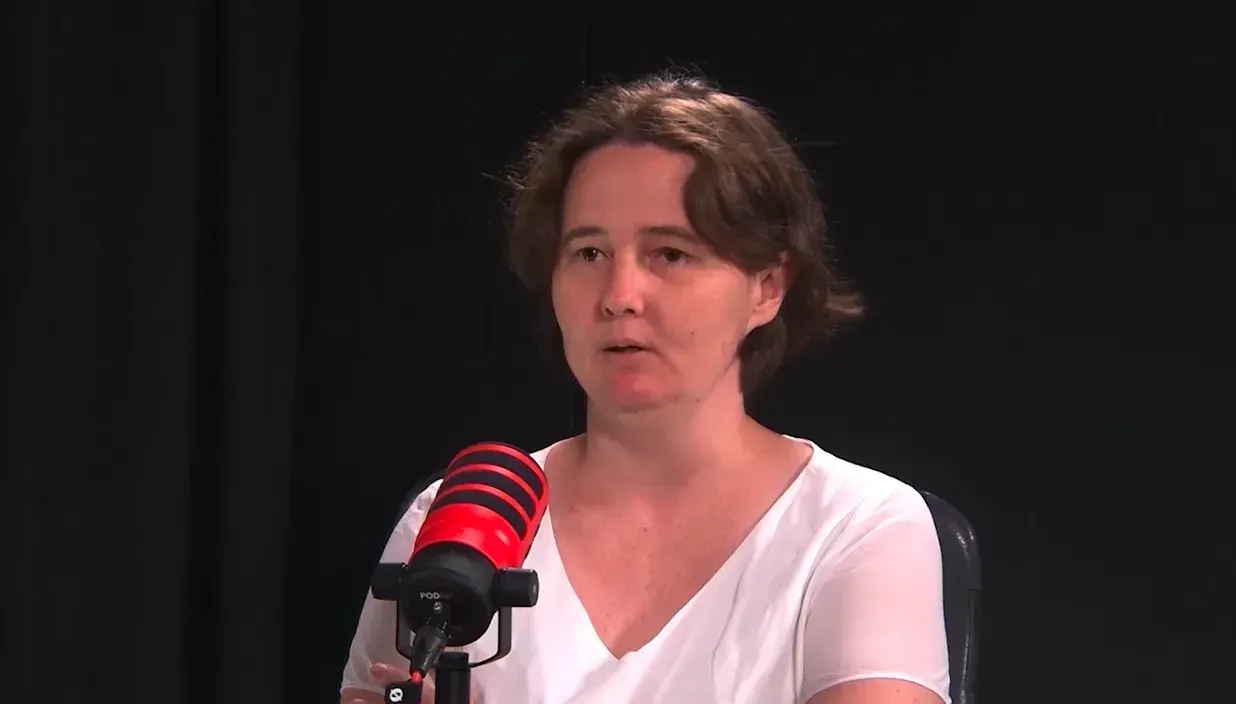
My hope is that if the defamatory press release put out about Lucy as a result of the botched police investigation results in findings against the police in court, then they will start caring about whether investigations are conducted competently.

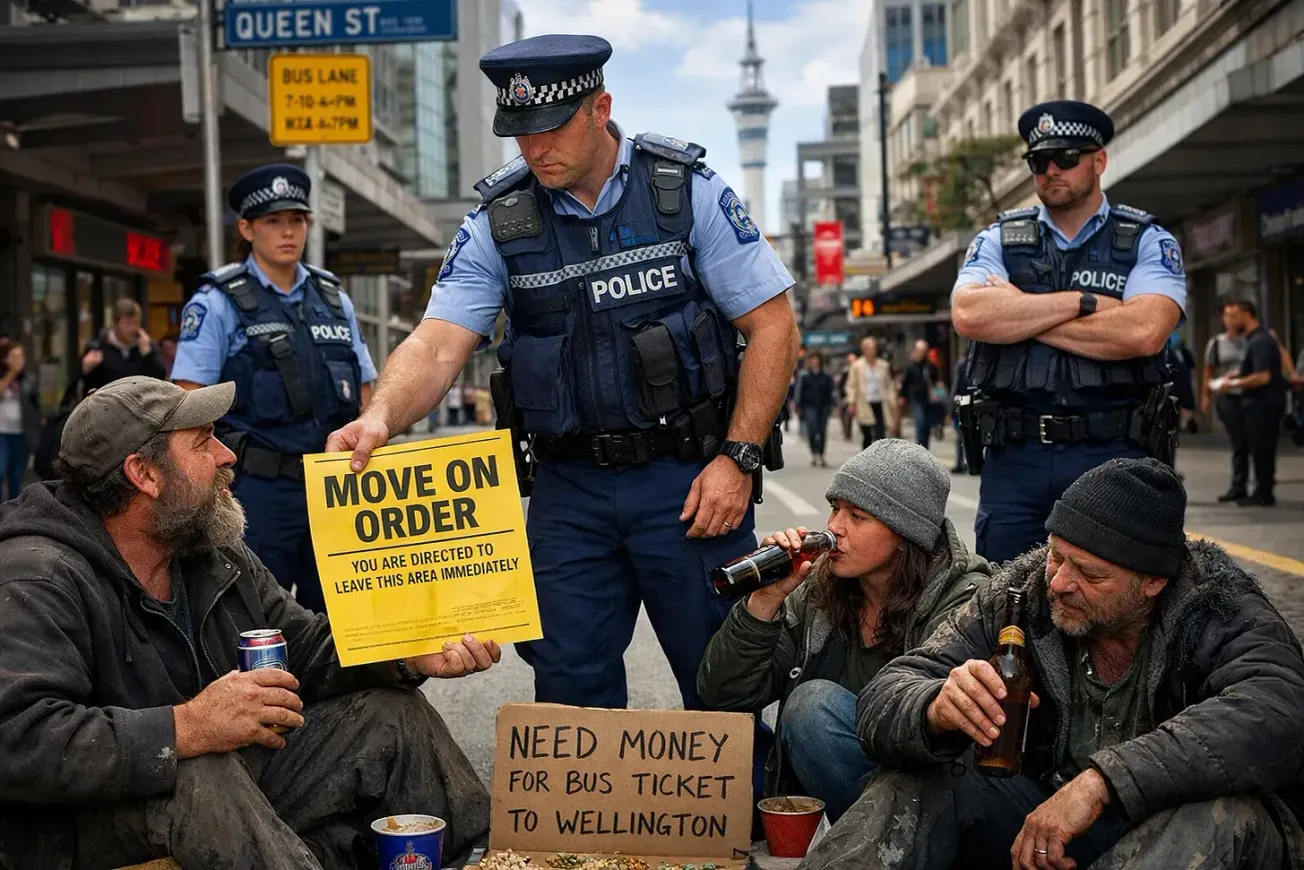
The problem is that once a power like this exists, it rarely stays confined to one purpose. The same law that clears a footpath today could just as easily clear a protest tomorrow.

Not interviewing the complainant is the most fundamental investigative failure that there is. Not only that, but not a single one of the police officers who arrested me and lied about me was interviewed either. If I made errors of this magnitude at work I would lose my job.


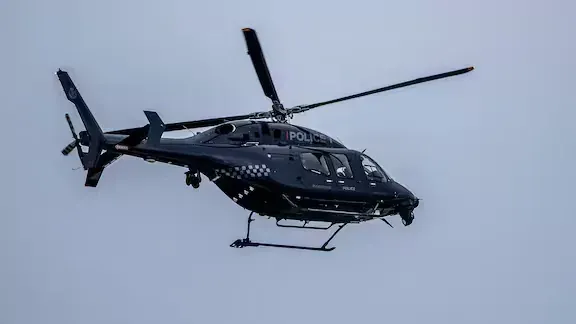
The spokesperson said police relied on commercial helicopters in situations where aerial support was needed and police aircraft were unavailable or unsuitable and said each deployment was assessed on operational need.

Commissioner Richard Chambers says he has full confidence in the new leadership group, describing them as bringing the experience, competence and integrity needed to support frontline staff and deliver on the priorities of New Zealand Police.