If the yellow rain wasn’t going to get us, the Millennium Bug would. Conspicuously, the world is still here.
But end-of-the-worldism is nothing new. If I had a dollar for every time the world was going to end since, well, forever, I’d be able to buy Elon Musk’s entire business empire and still have some change to throw to Jeff Bezos.
From Hesiod’s Iron Age to Plato’s disdain for the written word, humanity has always mistaken change for catastrophe. Socrates, that cantankerous old Athenian, warned that writing would weaken the memory and create an illusion of wisdom. He was (at least, in the version of him created by his pupil Plato), in a sense, the first technophobe, terrified that a crutch for the brain would make us all arrogant idiots. Today, we call that the internet, and he may have been onto at least a bit of something: yet, here we still are.
Rome, too, had its doom-mongers. Cato the Elder saw the rot setting in whenever a Greek philosopher crossed the border, viewing foreign customs as the death knell of Roman virtue. He was at least partly just a xenophobic bore, but the instinct was sound: civilisations do disintegrate when they trade their gods and ancestral customs for imported luxuries and philosophical poisons. Sallust, writing during the twilight of the republic, argued that Rome’s greatest threat wasn’t Carthage, but the greed and lust for power that flourished once the external enemy was vanquished. He was proven right by the rise of Augustus.
By the time we reached the printing press, the elites were truly sweating. Johannes Gutenberg’s invention terrified the clerisy. It democratised knowledge, which naturally meant that the riff-raff could read misleading pamphlets without supervision. Then came the coffee houses of the 17th century, ‘Penny Universities’ where aristocrats and commoners dared to debate. King Charles II, perhaps the most sensible of the lot, tried to ban them. He failed, of course. The genie was out, and with it, the threat of free speech. Not to mention Charles’s head.
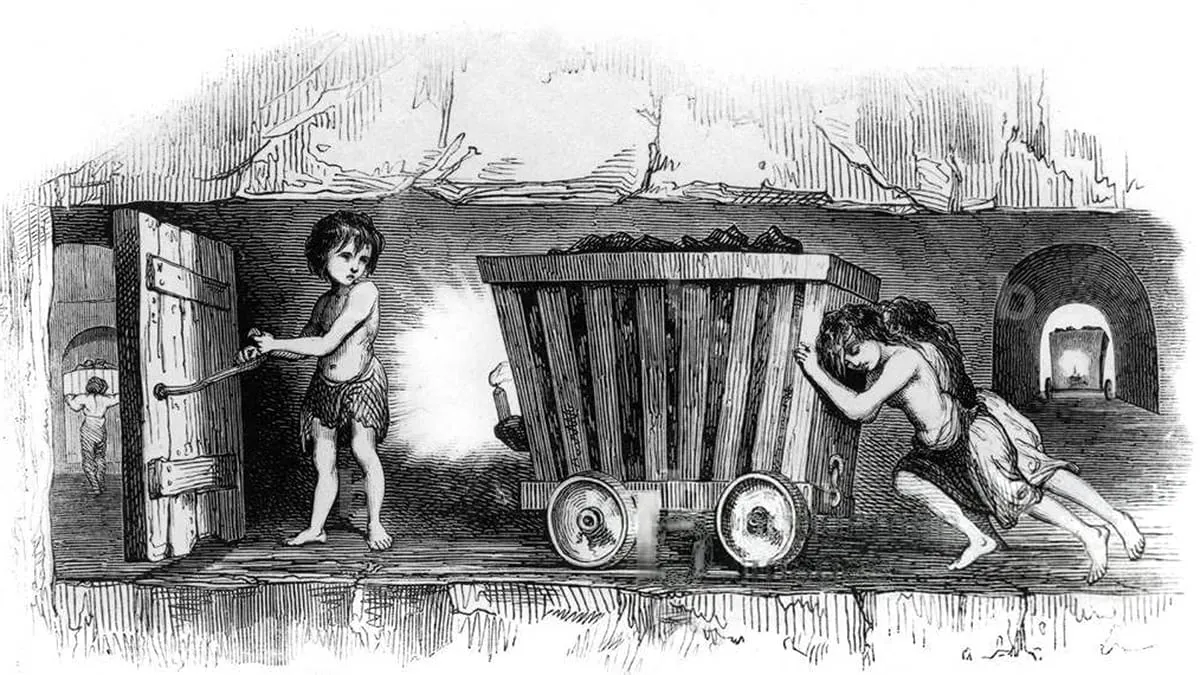
With the Industrial Revolution, the world found a new invention to be afraid of almost daily. Inventions like Watt’s improved steam engine, the cotton gin, the electric telegraph, and countless others helped transform economies that had been primarily agrarian into ones increasingly driven by mechanized industry.
The Luddites didn’t exactly hate machinery per se: they were early models for Marx, fretting at a supposed ‘increasing misery of the proletariat’. Yet, while the new factory towns certainly looked grim, and working conditions would make even a modern Bangladeshi sweatshop owner blink, what the Luddites (and Marx) missed was that people flocked to them voluntarily. Grim as they were, they were still better than the grinding misery of feudal peasantry. So much better, in fact, that the populations of the working classes exploded.
Then we hit the 20th century, where the hysteria began to really industrialise. The Nazis fretted that Jazz, ‘Negro music’, and modern art would pollute the pure minds and bodies of the Aryan supermen of the nascent Reich. On the other side, having vanquished the genuine threat of Nazism, America discovered a new existential horror: comic books.
In 1953, the United States Senate created a subcommittee to investigate juvenile delinquency to examine the causes of youth crime. The following year, it held public hearings focused on crime and horror comics, during which psychiatrist Fredric Wertham testified that comics encouraged and contributed to delinquency.
The Greatest Generation, having survived the Depression and the furnace of WWII, found time to lose their minds over Stan Lee’s and Jack Kirby’s men in tights. They feared that an illustrated moral struggle between good and evil would turn a generation into bloodthirsty psychopaths. They were wrong, of course. Yet, in their paranoia, they missed the actual existential threat of the age: the Red Scare. McCarthy was, in retrospect, rather more correct than the media has allowed us to believe.
As the decades bled into one another, the existential dread shifted from Soviet missiles, a genuine threat, to the refined neuroses of the environmentalist set. By the time we hit the Millennials and Generation Z, the ‘end of the world’ had become a secular religion.
Entire ecosystems are collapsing. We are in the beginning of a mass extinction.
This, the bleating of the young Greta Thunberg, reflects the core malaise of our time. It is not a fear of a tyrant or a bomb, but a fear of the very earth beneath our feet. For Gen Z, climate change is the original sin, the failure of the past that justifies their hatred of the present. They do not fear invasion: they fear the atmosphere.
Just as the Roman doom-mongers were reacting to the loss of the republic, the modern obsession with the apocalypse is a feature of a society that has lost God. When you stop fearing the judgement of the Creator, you start fearing the judgement of the weather. The AI panic, the climate doom, the hysterical fear of ‘democratic backsliding’: it is all the same impulse. It is the desire to control the future because we have no faith in the present. It is the managerial state’s final trick: convincing the young that they have no future unless they surrender their liberty to the bureaucracy.
We are told that AI will erase us, that the climate will boil us and that our politics will shatter us. It’s all meant to keep us compliant. A frightened populace is a manageable one.
But history suggests otherwise. The world persists, despite the screeching of the experts, the warnings of the philosophers and the hysterics of the latest generation of doom-sayers.
We are still here. And, God willing, we shall remain, long after the latest crop of Chicken Littles has been recycled into the next wave of forgotten panic.