Nigel
Nigel is the founder, editor-in-chief, and lead writer at Pavlova Post, a New Zealand satire publication covering national news, local chaos, weather drama, politics, transport mishaps, and everyday Kiwi life – usually with a generous layer of exaggeration.
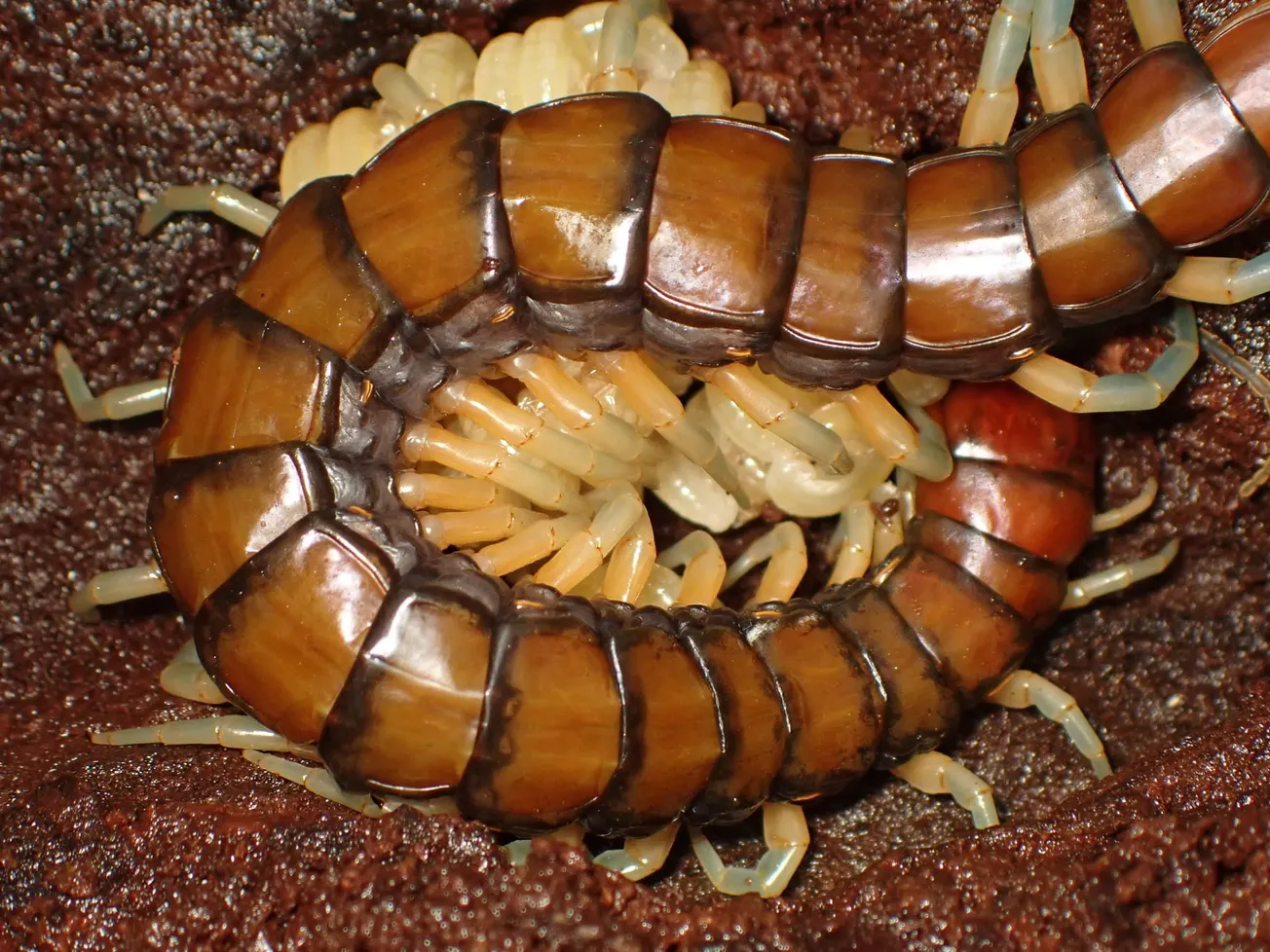
New Zealand’s comfortable belief that local wildlife is mostly birds, seals and things requiring sensible footwear has suffered an administrative setback after the country was reminded it also contains a native giant centipede with hollow venom fangs and enough legs to make counting feel like a poor use of your remaining time.
Writing on Saturday, bug expert Ruud Kleinpaste said the native giant centipede is often found at night in the North Island and typically carries somewhere between 21 and 27 pairs of legs. Its front pair has been modified into hollow fangs used to deliver venom into prey, meaning the creature has somehow taken the basic concept of ‘being under a log’ and added weapons.
For generations, New Zealanders have enjoyed looking across the Tasman and treating dangerous wildlife as an Australian personality defect. That arrangement now appears to contain an asterisk.
The harmless-wildlife brochure may require a small correction
Nobody is suggesting giant centipedes are roaming suburban streets demanding wallets. They prefer dark, moist places and generally have far more useful things to do than become involved in our Sunday plans. Unfortunately, ‘dark, moist places’ also describes approximately half the locations a New Zealander will confidently stick a hand while shifting firewood.
Kleinpaste describes the centipedes as extremely fast hunters. He also explains that each body segment has its own neurological centre helping coordinate the animal’s many legs, meaning the average giant centipede appears to have invested more heavily in decentralised management than several organisations currently operating customer-service phone lines.
This also explains the speed. When a human encounters danger, one brain has to identify the threat, process it, remember where the back door is and somehow persuade two legs to cooperate. The centipede appears to have delegated.
By the time you’ve said, ‘What the hell is that?’, 40-something legs have already held a meeting and left.
New Zealand’s traditional wildlife risk assessment may therefore need updating. Birds remain excellent. Seals are best appreciated with respectful distance. Anything discovered beneath a damp log after sunset should be permitted several seconds to establish whether it has venom before you begin describing it as ‘a cool little bug’.
Dinner is apparently prepared externally
The feeding arrangement does little to improve the animal’s public-relations position.
Kleinpaste says the centipede’s venom not only subdues prey but begins breaking it down internally, allowing the predator to later consume the softened contents. Nature therefore looked at chewing, decided the process lacked ambition, and gave the centipede what amounts to an injectable slow cooker.
This is useful biology. It is also information almost nobody needed immediately before breakfast.
The good news is that giant centipedes are not wandering around looking for humans to fight. The less comforting news is Kleinpaste knows what their bite feels like because he has previously experienced one. He says a bite caused paralysis in his right arm and hand for about two and a half hours, followed by itching that continued for weeks.
That moves ‘don’t grab the centipede’ from gardening suggestion to one of the more robust pieces of weekend advice currently available.
There will inevitably still be one New Zealander who sees a large fast-moving arthropod, notices the excessive leg allocation and thinks, ‘I’ll just pick that up and move it.’
That person has already made their decision. The rest of us can only wish them well.
The jandal has been promoted to emotional-support equipment
To be clear, giant centipedes belong here and should be left alone rather than punished for having an unsettling equipment list. Kleinpaste notes that even these formidable animals deserve protection and may prove scientifically useful – he says compounds associated with their care of eggs could have future value in human medicine.
So no, this is not permission to conduct a backyard extermination campaign. Give the animal space, let it carry on being ecologically important, and reconsider whichever chain of decisions resulted in your bare hand entering its damp private residence.
The jandal may still be carried, but strictly for emotional support.
There is something wonderfully New Zealand about this discovery. We spend enormous energy telling visitors about spectacular scenery, rare birds and walks through pristine native environments, while several centimetres below the brochure photography an armoured noodle with hollow fangs is running a remarkably efficient catering operation.
Australia would have put it on a warning sign.
We appear to have put a fern beside it.
And that may be the healthiest way to think about the whole thing. New Zealand remains an extraordinarily safe place to enjoy nature, provided nature is allowed to enjoy several parts of itself without human fingers suddenly arriving from above.
Go for the walk. Admire the bush. Enjoy the birds. Breathe the clean air.
Just don’t ask the damp log to prove we’re harmless.
Grown-Up Links
- The venomous bite of New Zealand’s giant centipede – Newstalk ZB
- Where have all the cicadas gone this summer? – Star News / RNZ
This article was originally published by Pavlova Post.