As I wrote recently, the UK’s Southport inquiry raises nearly as many questions as it answers. Not least about murderous African Axel Rudakubana’s shadowy, mysterious parents. As at least some independent journalists have found out, while the legacy media remains strangely and determinedly incurious, the parents have almost no official presence.
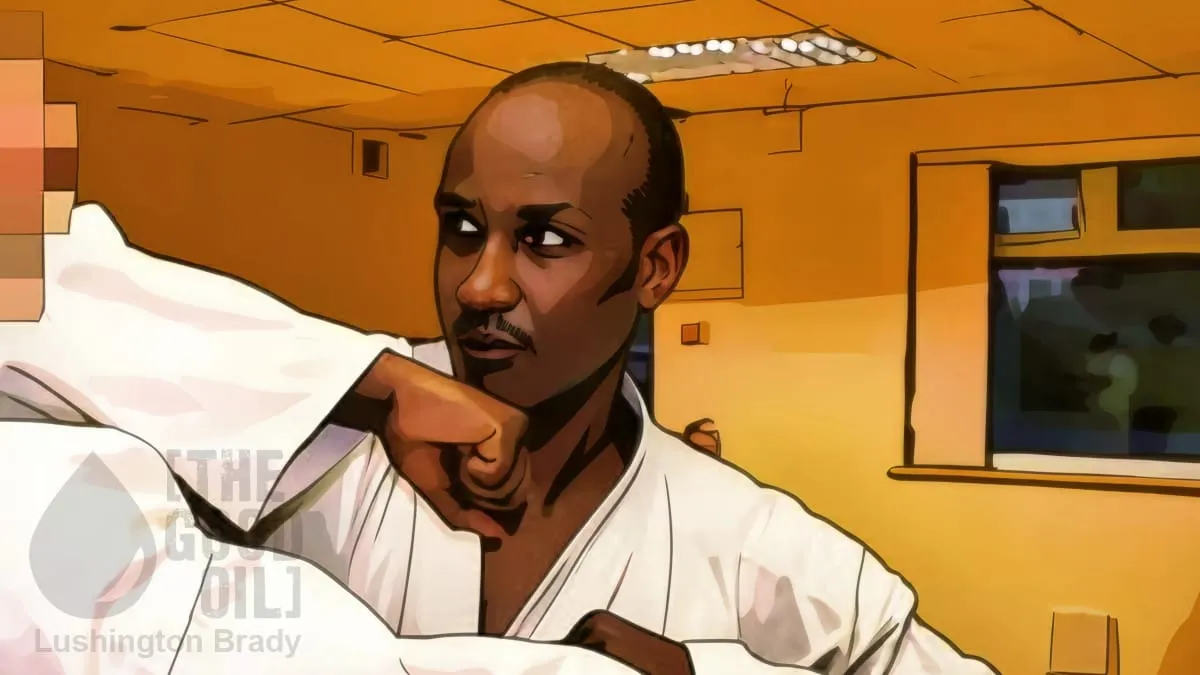
What is known is that the killer’s father, Alphonse Rudakubana, is a high-level expert in karate, and is believed to have been a soldier in the Rwanda Patriotic Front and that the parents maintain “close links with ‘high status’ figures linked to the regime”.
The inquiry has, though, laid bare just how often Axel Rudakubana’s (AR) escalating and ‘sinister’ behaviour was consistently downplayed, fobbed off and hand waved away by authorities at every level, with the active assistance of his parents.
For instance, in one case Forensic Child and Adolescent Mental Health Service’s Samantha Steed complained that an alarming report about AR’s behaviour, including multiple referrals to Prevent (the UK government’s anti-extremism program) and a particularly shocking ‘knife on the bus’ incident, was “racially profiling” AR as “a black boy with a knife”, which he actually was.
Miss Steed asked whether parents were worried about it because AR was a young black male and because of what people might think reading it. They nodded in agreement.
‘He wuz a good boi and dindu nuffin’.’
And three little girls ended up dead.
That would never have happened if AR’s parents and multiple people in positions of authority weren’t so determined to evade responsibility. Let alone shed the massive racial chips on their shoulders.
There were repeated warnings, repeated red flags, lots of opportunities to act upon information and pass it on – and they didn’t do so. In many cases they watered down the information. No single agency took ownership of any of the risk, and instead, when the concerns were passed around, the risk was watered down, softened, downgraded, and effectively lost in the system.
That alone is bad enough, but there’s another deeply uncomfortable theme that emerges from this report. In some instances – and I’ve seen this in practice myself – professionals who were trying to describe and portray the seriousness of the risk posed by this individual were shut down or toned down.
Too often for exactly the same reason Pakistani Muslims were able to systematically rape white British little girls, for decades, with impunity: too many people were afraid of being called ‘racist’. Or willing to admit that a “black boy with a knife” could be a threat to anybody.
Forensic Child and Adolescent Mental Health Services (FCAMHS for short) closed his case in March despite having carried out no structured assessment of the risks posed to others […]
Lancashire County Council’s Children’s Social Care repeatedly stepped his case down to the council’s non-statutory early help service, known as CFWS. And CFWS repeatedly closed his case despite interventions having had no or no meaningful impact. Again, just no assumption of any responsibility here, despite the warnings and the red flags.
The lack of response to the Acorn School’s request for a multi-agency assessment of his risk followed the hockey-stick attack at Range High School.
Paragraph 8: “The inability of any agency to identify clearly who held the lead responsibility, and the consequent regular shifting of his case to others, reflects the structures that were in place at the time. A central theme in the Phase One report is therefore that, throughout the relevant period, no institution or agency took overall responsibility for assessing – and therefore addressing – the clear high degree of risk of violent harm to others that he demonstrated from early October 2019 onwards.”
People who had to actually deal with this sinister creep were in no doubt, but they were shut down by “hostility” from AR’s parents and higher officials.
Reading paragraph 156, Mrs Hodson gave evidence about the process of reviewing AR’s EHCP in 2021. She explained that she wanted to include a section which detailed the risk that AR posed to others, and says as follows:
“My efforts to include this information within the EHCP draft were met with hostility by AR’s father and also by Samantha Steed from CAMHS. Miss Steed even went as far as to accuse me of racially stereotyping AR as a black boy with a knife.”
Several parents of the murdered girls have demanded that AR’s parents be held accountable for their deliberate, calculated, pattern of undermining and resisting anything that could have prevented their son going on a murder spree. It doesn’t appear unreasonable to suggest that a great many public officials need to be held accountable for enabling a psychotic killer, too.